

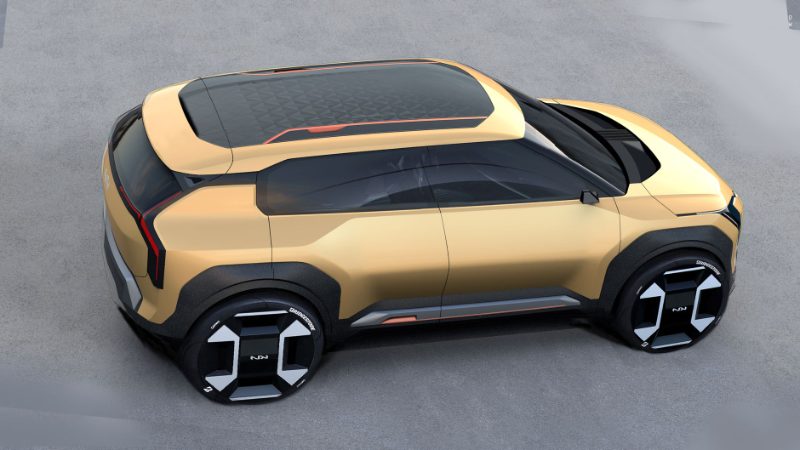
Maruti Suzuki, Tata Motors, Mahindra and Hyundai are lining up a cluster of major model updates and launches ahead of India’s 2026 festive season, the period that traditionally accounts for the year’s strongest car sales. Five models in particular are drawing attention from buyers planning a festive-season purchase: the Tata Safari EV, Mahindra Thar facelift, Maruti Suzuki Grand Vitara facelift, Hyundai Bayon and special-edition variants of the Tata Sierra.
The festive season, spanning Navratri, Dussehra and Diwali, is widely regarded by Indian automakers as the most important sales window of the year, prompting manufacturers to time new variants, updated safety kits and fresh body styles to coincide with peak buyer interest. This year’s line-up spans electric three-row SUVs, off-road facelifts and mid-size crossovers aimed at different price segments.
What Is Tata’s Big Festive-Season Launch This Year?
Tata Motors is preparing to launch the Safari EV around Diwali, marking the company’s first three-row electric SUV. Built on the same Acti.ev+ platform that underpins the Harrier EV, the Safari EV is expected to be offered with two battery pack options of 65kWh and 75kWh, with a claimed single-charge range of around 600 kilometres. At an expected price of ₹23-30 lakh, it will compete directly with the Mahindra XEV 9e. Tata is also planning festive special-edition trims for the Sierra and Sierra EV, focused on cosmetic and visual upgrades rather than mechanical changes.
What Updates Are Mahindra and Maruti Suzuki Bringing?
Mahindra’s three-door Thar is set for a facelift inspired by the design language of the Thar Roxx, with spy shots showing a new grille and circular LED headlights. The updated Thar is expected to gain a 360-degree camera and rear disc brakes, alongside a more feature-rich cabin, while its existing engine and powertrain lineup is expected to carry over unchanged. Maruti Suzuki, meanwhile, is readying a facelifted Grand Vitara aimed at strengthening its position against rivals such as the Hyundai Creta and Kia Seltos, with level-2 ADAS technology, a powered tailgate, and a repositioned CNG tank designed to free up boot space among the expected additions.
Market Reaction and Industry Response
The wave of festive launches comes as India’s utility vehicle segment continues to outperform the broader passenger vehicle market, with SUVs and crossovers now accounting for the bulk of industry growth. Hyundai’s upcoming Bayon, spotted testing on Indian roads with a boxier, larger SUV profile than its European counterpart, is expected to slot between the Venue and the next-generation Creta, with level-2 ADAS hardware and a factory-fitted CNG option under consideration, reflecting how closely manufacturers are tailoring global models to Indian price and fuel preferences.
What Happens Next?
Formal pricing and launch dates for most of these models are expected to be confirmed through late September and October 2026 as the festive season approaches. Buyers weighing a festive-season purchase are likely to see manufacturers stagger these launches to maximise showroom footfall through Navratri and Diwali, with final specifications and prices confirmed closer to each model’s launch date.
Frequently Asked Questions
Which new SUVs are launching in India this festive season 2026?
Key festive-season launches include the Tata Safari EV, Mahindra Thar facelift, Maruti Suzuki Grand Vitara facelift, Hyundai Bayon and special-edition versions of the Tata Sierra.
What is the expected range of the Tata Safari EV?
The Tata Safari EV is expected to offer a claimed single-charge range of around 600 kilometres, with battery pack options of 65kWh and 75kWh.
Where will the Hyundai Bayon be positioned in India’s SUV lineup?
The Hyundai Bayon is expected to be positioned between the Hyundai Venue and the next-generation Creta, targeting buyers seeking a mid-size crossover.











Leave a comment