

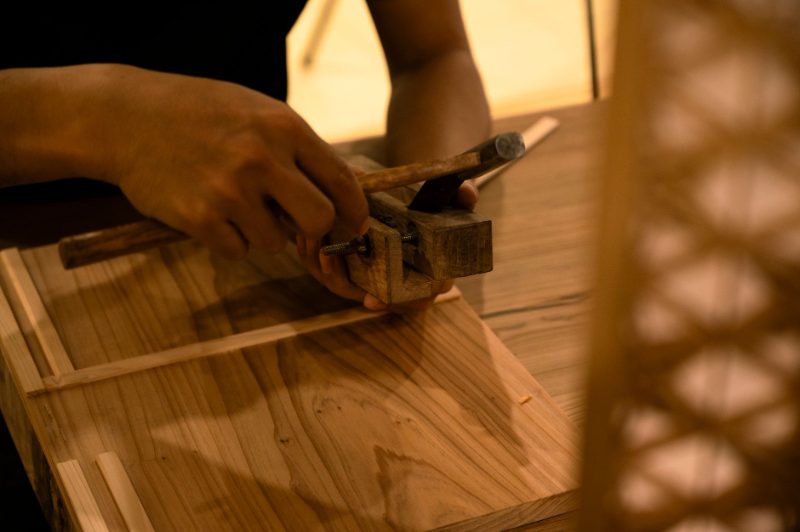
India’s furniture and handicraft exports are set for 20-22 percent annual growth over the next three years, industry estimates show, as manufacturers credit recent government policy and the newly concluded EU-India Free Trade Agreement for opening fresh overseas demand. The FTA removes import duties of up to 10.5 percent on Indian wooden, bamboo, metal and handcrafted furniture entering the European Union, while also streamlining customs procedures for exporters.
The projected growth comes as India’s domestic furniture market itself expands from $29.27 billion in 2025 to an estimated $31.51 billion in 2026, and as the country positions itself as a preferred alternative sourcing destination amid shifting global supply chains. Industry executives say the combination of duty relief in Europe and rising domestic demand gives manufacturers a rare dual tailwind heading into the new fiscal year.
Why Is the EU-India FTA a Turning Point for Furniture Exporters?
Before the agreement, Indian furniture exporters faced tariffs of up to 10.5 percent entering EU markets, a disadvantage against competitors in Vietnam and China that enjoyed preferential access. With duties removed and customs procedures simplified, Indian manufacturers of wooden, bamboo, metal and handcrafted furniture gain a more level playing field in one of the world’s largest furniture import markets.
What Does This Mean for India’s Furniture Manufacturing Base?
Higher export demand is expected to accelerate investment in organised manufacturing capacity, particularly as India’s upcoming Furniture Quality Control Order takes effect in 2026, pushing certified sourcing and higher production standards across the industry. Manufacturers that upgrade quality systems now stand to capture a larger share of the anticipated export growth, while smaller unorganised units may face pressure to consolidate or formalise.
Market Reaction and Industry Response
Trade bodies have credited the government’s trade policy push for the improved export outlook, framing the FTA as validation of India’s positioning as a preferred furniture sourcing hub for global retailers looking to diversify away from single-country dependence. Exporters attending concurrent Mumbai trade shows this week are expected to use the platform to convert this policy tailwind into confirmed European buyer commitments.
What Happens Next?
Manufacturers and export councils are expected to finalise new order pipelines with European buyers over the coming quarters as FTA implementation details are worked out. Compliance with the Furniture Quality Control Order will also become a growing focus for exporters seeking to maintain access to both domestic and international markets through 2026 and beyond.
Frequently Asked Questions
How much will Indian furniture exports grow under the EU-India FTA?
Industry estimates project 20-22 percent annual growth in furniture and handicraft exports over the next three years, aided by the removal of EU import duties of up to 10.5 percent.
What furniture categories benefit from the EU-India FTA?
Wooden, bamboo, metal and handcrafted furniture exported from India to the European Union benefit from the duty removal and simplified customs procedures.
What is India’s Furniture Quality Control Order?
It is an upcoming regulation taking effect in 2026 that is expected to raise manufacturing standards and encourage certified sourcing practices among organised furniture producers.









Leave a comment