

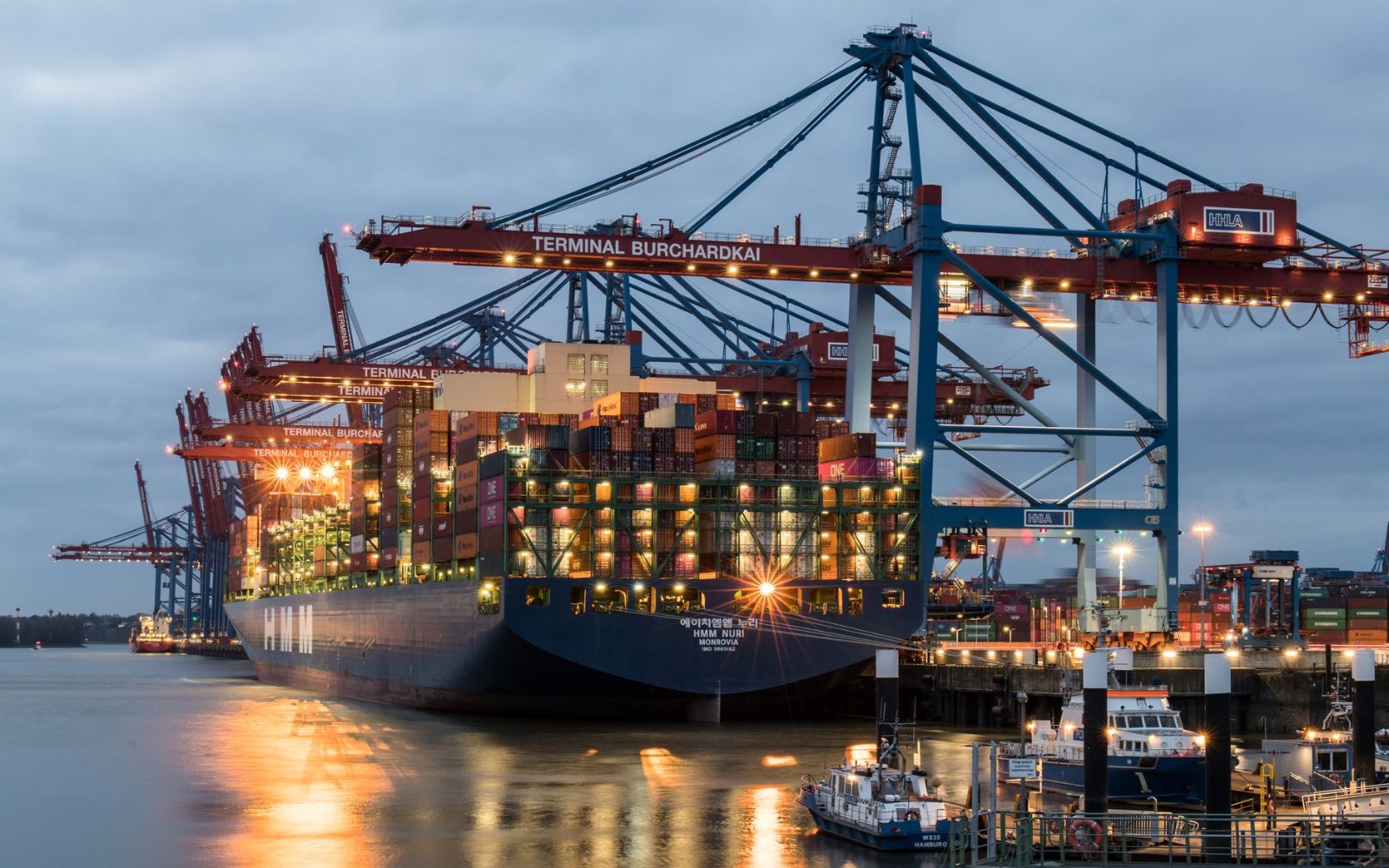
The Union Cabinet on 28 October 2026 approved a ₹10,000 crore Container Manufacturing Promotion Scheme to build a domestic shipping-container industry, with support running for 13 years up to FY 2039-40. The scheme targets annual capacity of 7.5 lakh twenty-foot equivalent units (TEUs) and is expected to create about 3,000 direct and more than 50,000 indirect jobs.
Information and Broadcasting Minister Ashwini Vaishnaw announced the decision after the Cabinet meeting. The scheme was first announced in the Union Budget 2026-27 and offers financial assistance for new manufacturing facilities as well as expansion of existing units, with the stated goal of a globally competitive container manufacturing industry and lower import dependence.
How Is the ₹10,000 Crore Container Manufacturing Promotion Scheme Structured?
Coverage of the decision lists four components: operational expenditure (OPEX) assistance, interest subvention, testing and certification support, and land leasing. UNI and Business Standard report ₹8,891 crore for OPEX assistance on containers built to international shipping standards, ₹859 crore for a 3% annual interest subvention on qualifying term loans, and ₹150 crore for testing and certification, including common testing facilities. These three figures add up to ₹9,900 crore, and the reports reviewed do not itemise the remaining ₹100 crore of the headline outlay.
Business Standard further reports OPEX payments of ₹49,500 per 20-foot container and ₹86,625 per 40-foot container, with specialised 20-foot containers receiving ₹37,125 to ₹74,250. Major port authorities may lease land to units at a concessional 25% rate, with relaxations to the Policy Guidelines for Land Management.
Who Is Eligible and What Are the Local Content Rules?
According to Business Standard, new units need at least 1 lakh TEUs of annual capacity, while expansions must add at least 25,000 TEUs. Projects must be commissioned within three years of in-principle approval and meet global container standards. Domestic content of at least 70% is required until FY32, rising to 90% from FY33. The scheme is also expected to support suppliers of corner castings, specialised steel, wooden frames and paints.
Why Does India Want Its Own Container Industry?
The government’s stated aim is to reduce reliance on imported containers and strengthen maritime and logistics supply chains. The scheme targets a nearly tenfold rise in annual manufacturing capacity to 7.5 lakh TEUs, and Business Standard reports a goal of attracting 15-20% of global container manufacturing to India.
Market and Trade Reaction
No statements from shipping lines, exporter bodies such as FIEO, or industry associations were found in the coverage reviewed at the time of writing, and no market reaction was reported. The same Cabinet meeting also approved a 3% dearness allowance hike, the PM Viksit Gram Swaraj Yojana and the Khelo India Sports Goods Manufacturing Scheme.
What Happens Next?
Detailed guidelines, application windows and the scheme’s implementing agency were not specified in the reports reviewed. Manufacturers and port authorities will need to watch for operational guidelines from the Ministry of Ports, Shipping and Waterways, which PIB lists for the release.
Frequently Asked Questions
What is the Container Manufacturing Promotion Scheme?
It is a ₹10,000 crore central scheme approved by the Union Cabinet on 28 October 2026 to promote domestic manufacture of shipping containers through operating-cost assistance, interest subvention, testing support and land leasing.
How long will the scheme run?
Support will run for 13 years, up to FY 2039-40.
How many jobs is the scheme expected to create?
The government expects about 3,000 direct jobs and more than 50,000 indirect jobs.
Sources: PIB (28 Oct 2026), UNI (28 Oct 2026), Business Standard (28 Oct 2026), Dainik Jagran English (28 Oct 2026).









Leave a comment