

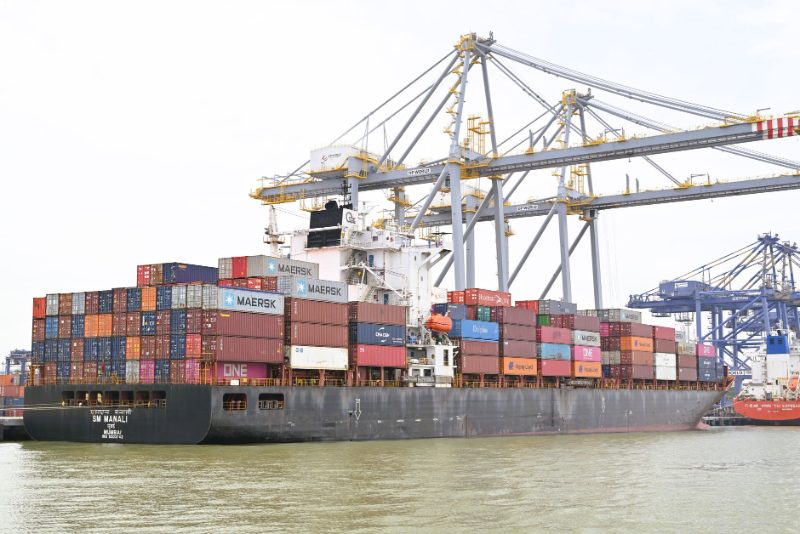
Mundra Port, operated by Adani Ports and Special Economic Zone Ltd (APSEZ), recorded its highest-ever monthly cargo throughput of 18.60 million metric tonnes (MMT) in August 2026, alongside a record 819,046 TEUs in container traffic for the month, setting new operational benchmarks for India’s largest commercial port. Across its full network, APSEZ handled a record 50 MMT of cargo in August, up 19% year-on-year, with dry cargo volumes up 25% and container volumes up 15%.
The milestone comes as APSEZ continues to expand capacity across its port network, which spans both coasts of India, positioning the group to capture a larger share of the country’s growing containerised and bulk trade. The August numbers extend a multi-year trend of volume growth at Mundra, which has become India’s busiest container and cargo handling gateway on the back of deep-draft capability and rail and road connectivity into the northern and western hinterland.
What Is Behind the Record Volumes at Mundra?
Dry cargo growth of 25% reflects strong coal, fertiliser and agri-commodity movement through the port, while the 15% rise in container volumes tracks broader export-import momentum in engineering goods, textiles and chemicals moving through western India. Mundra’s ability to handle ultra-large container vessels, combined with dedicated freight corridor rail connectivity, has made it the preferred gateway for exporters seeking to minimise inland transit time to the port.
What Does This Mean for India’s Logistics Costs?
Higher throughput at scale typically allows ports to spread fixed infrastructure costs over larger volumes, supporting more competitive handling charges for exporters and importers using Mundra. For industrial manufacturers in Gujarat, Rajasthan, Punjab and Haryana that route cargo through Mundra via rail, sustained capacity growth reduces the risk of vessel-side congestion that can otherwise add days to shipment timelines during peak season.
Market and Trade Reaction
APSEZ shares have drawn analyst attention around the August volume disclosures, with brokerages citing the numbers as evidence the group’s capacity expansion investments are translating directly into market-share gains against both domestic rivals and neighbouring international ports. Port sector analysts note that APSEZ’s combined dry cargo and container growth outpaced the broader industry average for major Indian ports during the same period, reflecting Mundra’s growing role as a national logistics hub rather than a purely regional gateway.
What Happens Next?
APSEZ is expected to continue reporting monthly volume data as a key indicator the market watches for signs of sustained momentum into the festive and year-end shipping season, typically the busiest period for Indian ports. Industry watchers will also track whether the company’s ongoing capacity expansion projects at Mundra and its other terminals keep pace with the current growth rate without triggering congestion-related delays.
Frequently Asked Questions
How much cargo did Mundra Port handle in August 2026?
Mundra Port handled a record 18.60 MMT of cargo and 819,046 TEUs of container traffic in August 2026, its highest-ever monthly figures.
How did APSEZ’s overall network perform in August 2026?
Across its full port network, APSEZ handled a record 50 MMT of cargo, up 19% year-on-year, with dry cargo up 25% and container volumes up 15%.
Why does Mundra Port’s growth matter for Indian exporters?
Higher throughput supports more competitive handling costs and reduces vessel-side congestion risk, benefiting exporters and importers who route cargo through western India’s rail and road corridors to the port.











Leave a comment