

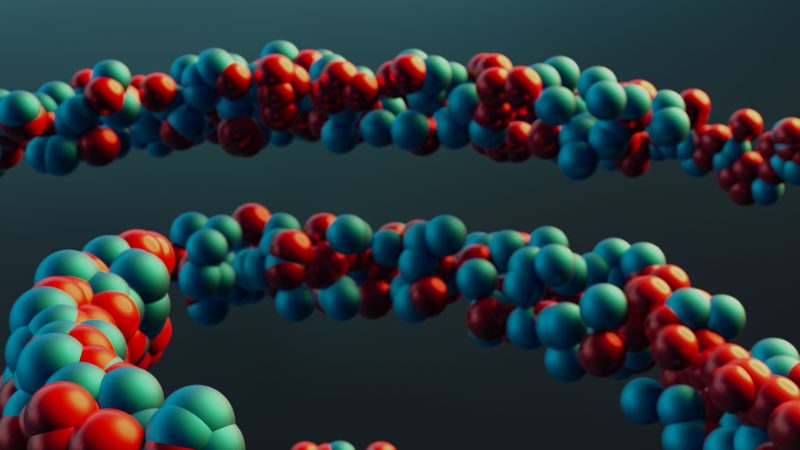
Reversible covalent chemistry allows coating networks to disassemble and reform under thermal stimulus.
Advanced polymer science is delivering a new class of self-repairing coatings based on dynamic covalent bonds — chemical linkages that can be broken and reformed reversibly under controlled conditions. The Diels-Alder reaction, a cycloaddition chemistry between a diene and a dienophile, is being engineered into coating polymer backbones to provide thermally reversible crosslinking.
When a coating film based on Diels-Alder chemistry sustains a scratch, moderate heating (50–80°C) triggers retro-Diels-Alder decyclisation — the crosslink breaks, polymer chains gain mobility, flow into the defect, and upon cooling reform the covalent bond. The result is a fully healed surface with restored mechanical and barrier properties. Premium automotive OEM clearcoats already incorporate basic scratch-resistance technologies; the Diels-Alder generation promises genuine self-healing under field conditions without requiring replacement.
Industry Implications and Market Context
This development reflects the broader trend in the global coatings industry toward advanced functional performance, sustainability, and intelligent material design. Manufacturers tracking these innovations are evaluating commercial feasibility, raw material supply chains, and regulatory pathways — particularly for European REACH and US EPA compliance. The research underpins next-generation product development cycles that typically take 3–5 years from laboratory to commercial scale.
What Happens Next?
Commercial adoption depends on scaling from laboratory to production, cost parity with incumbent systems, and regulatory clearance in key markets. Watch for licensing agreements, joint development partnerships between coating manufacturers and material science institutes, and pilot-scale trials announced in H2 2026 and into 2027.
Frequently Asked Questions
What is the commercial readiness of this technology?
Technologies featured in industry research publications typically sit at Technology Readiness Levels (TRL) 4–6, meaning laboratory to pilot scale. Full commercial deployment generally requires 3–5 additional years of development, scale-up trials, and regulatory clearance.
How does this benefit paint manufacturers?
Manufacturers adopting these innovations can command premium pricing, meet tightening environmental regulations, and differentiate their portfolios in a competitive market. Early adoption also builds IP portfolios that protect market position as technologies become mainstream.
Where can I find more information?
Detailed technical coverage is available from the European Coatings Association (ECCA), American Coatings Association (ACA), Indian Paint Association (IPA), and publications including Progress in Organic Coatings, Journal of Coatings Technology and Research, and European Coatings Journal.











Leave a comment