

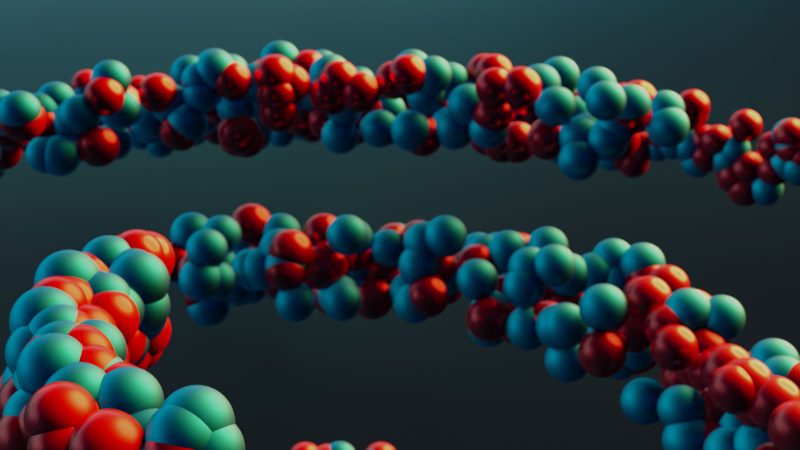
Aromatic disulfide bridges allow cleaved polymer chains to re-crosslink autonomously without heating.
A significant advance in self-healing coating science is the development of aromatic disulfide-containing poly(urea-urethane) elastomers that repair mechanical damage at ambient room temperature. Unlike Diels-Alder systems requiring external heat, disulfide exchange chemistry proceeds spontaneously through a metathesis mechanism where disulfide bonds adjacent to a damage site continuously shuffle and reform — effectively stitching the polymer network back together.
Research formulations have demonstrated full mechanical property recovery within 24 hours at room temperature for cut-depth damage of 200–400 microns — the typical range for handling scratches on industrial equipment and consumer electronics. Commercial significance is highest in segments where recoating is expensive or logistically complex: offshore platforms, wind turbine blades, buried pipelines, and aircraft maintenance.
Industry Implications and Market Context
This development reflects the broader trend in the global coatings industry toward advanced functional performance, sustainability, and intelligent material design. Manufacturers tracking these innovations are evaluating commercial feasibility, raw material supply chains, and regulatory pathways — particularly for European REACH and US EPA compliance.
What Happens Next?
Commercial adoption depends on scaling from laboratory to production, cost parity with incumbent systems, and regulatory clearance in key markets. Watch for licensing agreements, joint development partnerships between coating manufacturers and material science institutes, and pilot-scale trials in H2 2026 and 2027.
Frequently Asked Questions
What is the commercial readiness of this technology?
Technologies featured in industry research publications typically sit at Technology Readiness Levels (TRL) 4–6. Full commercial deployment generally requires 3–5 additional years of development, scale-up trials, and regulatory clearance.
How does this benefit paint manufacturers?
Manufacturers adopting these innovations can command premium pricing, meet tightening environmental regulations, and differentiate their portfolios in a competitive market.
Where can I find more information?
Detailed technical coverage is available from ECCA, ACA, IPA, and publications including Progress in Organic Coatings and European Coatings Journal.










Leave a comment