

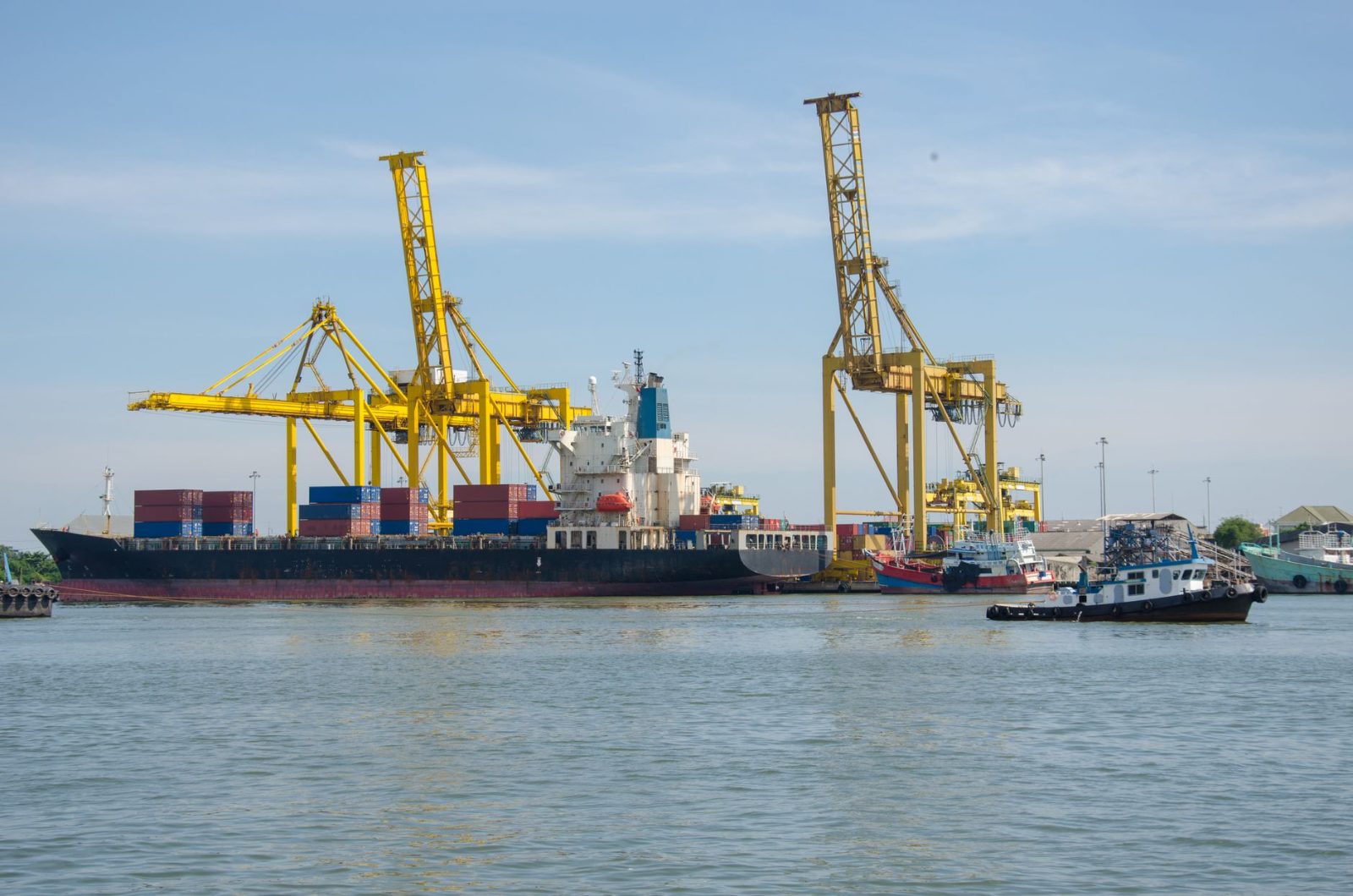
The India-New Zealand Free Trade Agreement enters into force on 20 October 2026, giving Indian exporters zero-duty access to New Zealand on all tariff lines from day one. Sampath Kumar, Additional Director General of Foreign Trade (DGFT), told ANI on 19 October that “from tomorrow onwards” the agreement would be implemented.
The agreement was signed on 27 April 2026 in New Delhi by Union Commerce and Industry Minister Piyush Goyal and New Zealand’s Minister for Trade and Investment Todd McClay. New Zealand’s Parliament passed the implementing legislation on 16 September, according to FreshPlaza.
How Will the India-New Zealand FTA Help Indian Exporters?
Kumar said tariffs of up to 10% on textiles, clothing, leather and footwear will fall to zero. Tariffs of up to 5% on pharmaceuticals, agricultural and marine products, plastics, chemicals and electrical goods are also being eliminated, according to the ANI report published by The Tribune. Goyal had earlier named textiles and apparel, leather and footwear, engineering goods, pharmaceuticals, agriculture and processed foods as key opportunity areas.
India’s merchandise exports to New Zealand were US$711 million in 2024-25, when bilateral merchandise trade reached US$1.3 billion, up 49% from the previous year, per the Ministry of Commerce and Industry figures cited by ANI. Another outlet cites a different 2025-26 trade figure of about US$1.1 billion, so readers should treat the base-year trade number with care.
What Has India Offered in Return?
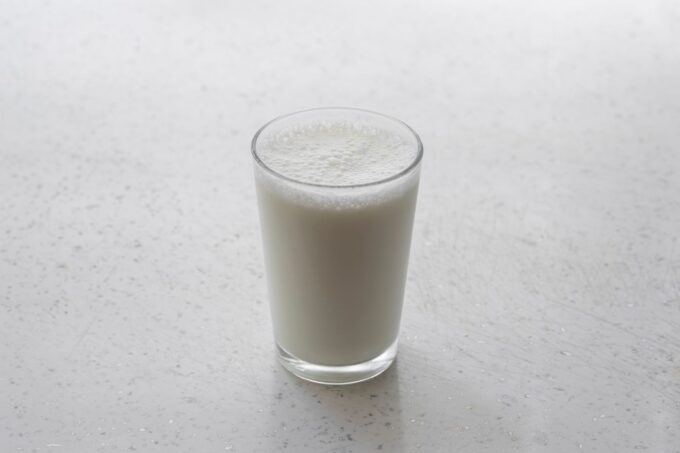
India has offered tariff liberalisation on about 70% of its tariff lines, with dairy and certain agricultural products kept protected, the ANI report said. FreshPlaza reports that onions, chana, peas, corn, almonds and vegetable or microbial fats and oils are excluded from concessions, and that apples and kiwifruit access is managed through tariff rate quotas, minimum import prices and seasonal windows. New Zealand is expected to gain better access for wood, wool, sheep meat and raw hides.
What About Investment, Services and Mobility?
Goyal said the agreement would facilitate US$20 billion of investment into India. FreshPlaza reports a Temporary Employment Entry pathway of 5,000 visas at any one time for qualified Indian workers. A bilateral safeguard mechanism will apply for 14 years after duties on a product are eliminated or reduced.
Market and Trade Reaction
Kumar said he expects the trade surplus to increase further under the agreement. No trade-body statement or market reaction from industry groups such as FIEO or CII was found in the sources reviewed for this report.
What Happens Next?
Exporters will need to meet rules of origin and product-specific conditions to claim zero duty, and New Zealand’s own standards, labelling and sanitary requirements still apply. The sources reviewed did not detail the exact certificate-of-origin procedure, so exporters should check DGFT notifications for the claim process after 20 October.
Frequently Asked Questions
When does the India-New Zealand FTA come into force?
The agreement takes effect on 20 October 2026, which the Ministry of Commerce and Industry said coincides with Vijayadashami.
Which Indian products get zero duty in New Zealand?
New Zealand is eliminating tariffs on all its tariff lines from day one, covering sectors such as textiles, apparel, leather, footwear, pharmaceuticals, engineering goods and processed foods.
What has India protected under the deal?
Dairy and several sensitive agricultural items remain protected, and India liberalised about 70% of its tariff lines.








Leave a comment