

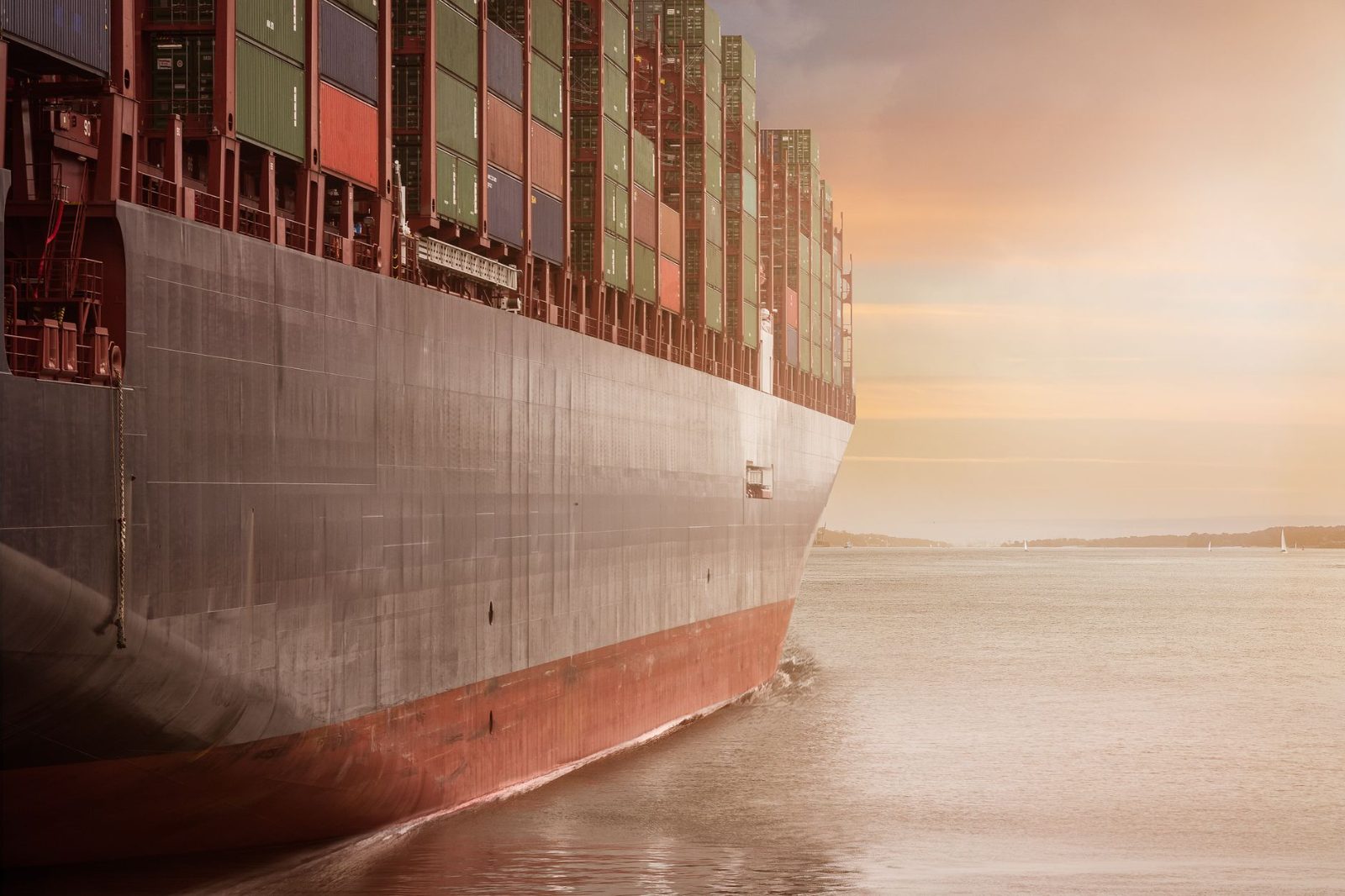
WTO Director-General Ngozi Okonjo-Iweala says geopolitical shifts and the wars in Ukraine and the Middle East will leave a lasting mark on global trade flows as companies hedge against future shocks. She made the remarks in a Reuters interview, published on 15-16 October 2026, on the sidelines of the IMF and World Bank annual meetings.
Her comments matter for Indian exporters and importers because they point to supply chains being rebuilt around new, costlier routes rather than reverting to pre-war patterns.
Will Global Trade Routes Return to Normal After the Middle East War?
Not fully, according to Okonjo-Iweala. She said trade in the Middle East contracted sharply because of the Iran war despite workarounds, and recovery will take time. Private-sector experts had expected a rebound once the war ended and the Strait of Hormuz reopened, since that route is cheaper. She said repeated conflicts have shown the need for diversification and contingency planning, and that some alternative routes will likely last. She said countries and businesses must consider “choke points and choke assets”.
What Do the WTO’s Numbers Show?
The WTO forecasts a 17% drop in exports and about a 15% drop in imports this year, both tied to the Iran war, according to the interview report. Separately, the WTO raised its 2026 global merchandise trade volume growth forecast to 3.9% from 1.9% in its March baseline, as demand for AI-related products offset the Middle East disruption. Okonjo-Iweala warned that the AI boom is “masking the other tendencies in trade”, which she described as not positive.
Why Is Diversification Likely to Continue?
Okonjo-Iweala said diversification into other regions and countries will probably continue given repeated shocks from wars, trade disruptions and tariffs imposed by US President Donald Trump. Businesses have found new routes, but they are more costly. Regional trade is expected to keep expanding. She noted intra-African trade is about 20% of Africa’s total trade, versus about 60% for trade within the EU. Trade governed by WTO rules still accounts for nearly three-quarters of all trade.
Market and Trade Reaction
The interview report did not include market reaction or comment from Indian trade bodies. The sources reviewed did not give figures on freight costs or rerouting volumes, so no estimate is offered here.
What Happens Next?
Watch for the next WTO trade updates and for further statements from the IMF and World Bank meetings. Regional trade agreements are expected to keep advancing, which may influence how Indian firms plan sourcing and export markets.
Frequently Asked Questions
What did the WTO chief say about global trade?
She said shifting geopolitics and wars will have a lasting impact on trade flows as companies hedge against shocks, and some new routes will likely become permanent.
What is the WTO’s 2026 trade growth forecast?
The WTO raised its 2026 merchandise trade volume growth forecast to 3.9% from 1.9% in March, helped by AI-related product demand.
How much of world trade follows WTO rules?
Nearly three-quarters of global trade is still governed by WTO rules, according to Okonjo-Iweala.





Leave a comment