

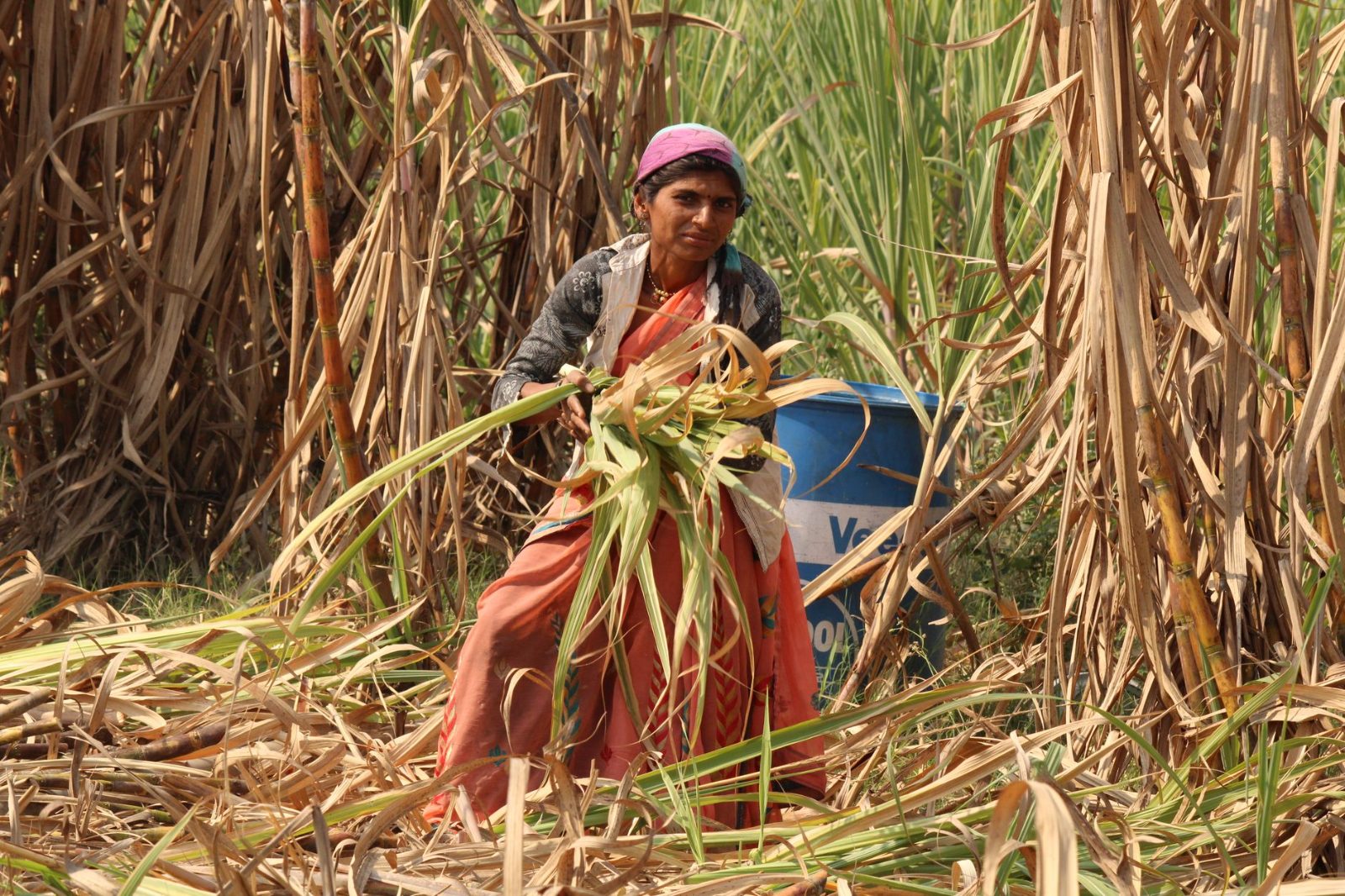
India has directed oil marketing companies (OMCs) to cut sugar diversion for ethanol production to zero during the 2026/27 supply year, a decision that restricts sugarcane juice, sugar syrup and B-heavy molasses from ethanol supplies under the latest tender, according to a ChemAnalyst report dated 19 October 2026.
The move aims to raise domestic sugar availability and ease high sugar prices in India, the world’s largest sugar consumer. Sugar stocks fell on the news, and ChemAnalyst expects the direct effect on chemical commodities to be limited.
What Has India Decided on Ethanol Feedstock?
The government told OMCs to set sugar diversion for ethanol at zero for 2026/27. The restriction covers sugarcane juice, sugar syrup and B-heavy molasses under the latest ethanol tender. The report does not name the ministry that issued the directive or give its exact date.
How Did Sugar Stocks React?
Shares of Balrampur Chini Mills, EID Parry, Triveni Industries, Bajaj Hindusthan Sugar, Shree Renuka Sugars and Dhampur Sugar fell between 2% and 6% in morning trade, the report said.
What Does This Mean for the Chemical Industry?
Sugar mills lose a higher-margin outlet for their output and become more exposed to domestic sugar prices. Returns on ethanol capacity built to process these feedstocks could come under pressure, and the effect will differ by company. ChemAnalyst expects the direct impact on chemical commodities to be limited, though extra molasses could indirectly affect the economics of molasses-based ethanol.
Market Reaction and Industry Response
Beyond the share-price falls above, no statement from sugar or ethanol industry bodies was found in the sources reviewed. The report does not quantify expected changes in sugar output or ethanol supply.
What Happens Next?
Watch for official clarification of the directive’s scope, how OMCs adjust ethanol procurement, and how mills respond. Further tender details will show how much ethanol supply shifts to other feedstocks.
Frequently Asked Questions
What feedstocks are restricted from ethanol supply?
Sugarcane juice, sugar syrup and B-heavy molasses are restricted under the latest tender.
Why did India take this decision?
The stated aim is to increase domestic sugar availability and ease high sugar prices.
Will chemical prices be affected?
ChemAnalyst expects a limited direct impact on chemical commodities, with possible indirect effects on molasses-based ethanol economics.









Leave a comment