

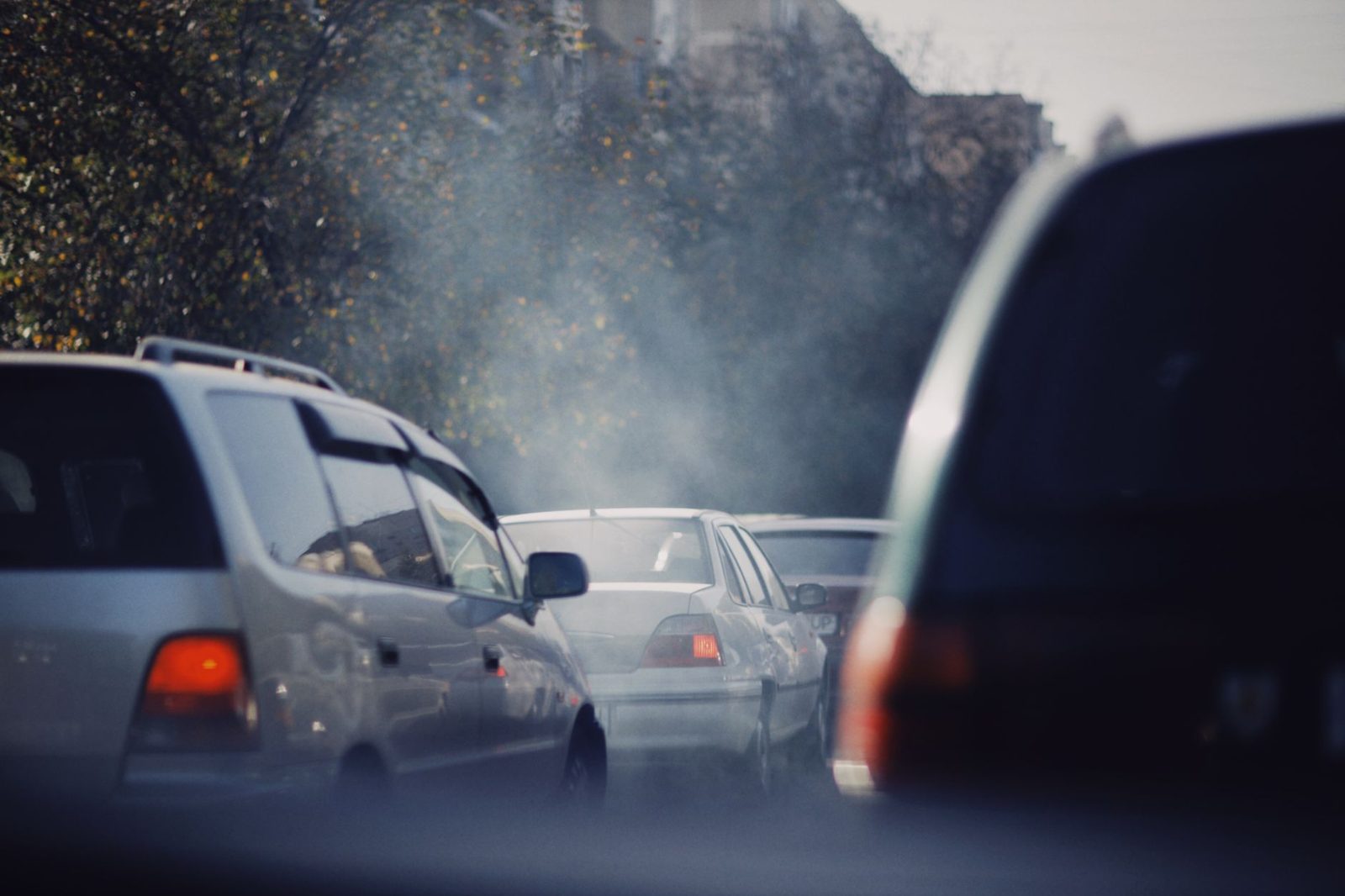
The Ministry of Road Transport and Highways (MoRTH) has proposed BS7 emission norms for India from 1 April 2029, with a phased rollout running to 2035. The proposal comes as three draft notifications that would amend the Central Motor Vehicles Rules, 1989, and it extends monitoring beyond exhaust gases to brake and tyre particles.
Autocar Professional reported the draft on 15 October 2026, and PTI reported on 14 October that the draft gazette notification is dated 12 October. The rules remain in draft form, so provisions could change before final notification. The norms would not affect vehicles already on the road, including BS6-compliant ones.
What Is the BS7 Emission Norms Timeline for Different Vehicles?
The draft sets separate start dates by vehicle class. Passenger vehicles (M1) face the first requirements in April 2029, with further steps in April 2031 and April 2035. Light commercial vehicles (N1) follow in April 2030, then April 2032 and April 2035. Medium and heavy trucks and buses (M2, M3, N2 and N3) start in April 2031, with later steps in April 2033 and April 2035.
BS6 has applied since April 2020. India skipped BS5 and moved directly from BS4 (nationwide from April 2017) to BS6, which cut sulphur in fuel from 50 ppm to 10 ppm.
What Changes for Passenger Cars Under the Draft BS7 Norms?
For passenger cars, the headline exhaust limits for nitrogen oxides stay at BS6 levels: 60 mg/km for petrol and 80 mg/km for diesel. The tighter requirements lie in how emissions are measured and enforced.
Particle number measurement moves from PN23, which counts particles of 23 nanometres and above, to PN10, which counts particles of 10 nanometres and above. From 1 April 2030, the real-driving emissions conformity factor becomes 1.0 for both nitrogen oxides and particle numbers. That removes the allowances in BS6 of 43 per cent for nitrogen oxides and 50 per cent for particle numbers.
The draft also sets brake particle (PM10) limits. From April 2031 the limit is 7 mg/km for petrol, diesel, hybrid and fuel-cell cars and 3 mg/km for pure electric vehicles. From April 2035 the limit becomes 3 mg/km for all powertrains. Brake particle number and tyre abrasion limits will be notified separately.
How Does the Proposal Affect Electric Vehicles and Commercial Vehicles?
For electric and plug-in hybrid vehicles, the draft sets battery durability minimums. Batteries must keep at least 75 per cent of original usable energy for up to five years or 100,000 km, whichever comes first. They must then keep at least 67 per cent up to eight years or 160,000 km, whichever comes first.
Commercial vehicle coverage extends to ammonia, methane and nitrous oxide. Limits for brake particles, tyre abrasion and heavy-vehicle battery durability have not yet been specified.
Compliance would also change. Onboard monitoring systems would detect excessive emissions during operation, and vehicles must record fuel or energy consumption, with over-the-air data sharing in later phases. An Environmental Vehicle Passport would record emissions, energy consumption and, where applicable, battery health.
Market Reaction and Industry Response
The sources reviewed did not report any market reaction or formal statement from automakers or industry bodies on the draft. Industrial Front earlier covered tyre makers saying they are ready for BS-VII abrasion norms while seeking clarity on the limits.
What Happens Next?
Stakeholders have 30 days from the date the notifications are made public to submit objections and suggestions, according to Autocar Professional. After that, MoRTH can revise the drafts before issuing final notifications. The pending items to watch are the tyre abrasion limits, brake particle number limits and the commercial vehicle battery durability thresholds.
Frequently Asked Questions
When will BS7 emission norms start in India?
The draft proposes 1 April 2029 for passenger cars, April 2030 for light commercial vehicles and April 2031 for medium and heavy trucks and buses. Full phasing runs to April 2035.
Will BS7 norms affect my existing BS6 car?
No. The norms apply to new vehicles under the draft, and existing vehicles, including BS6-compliant ones, would not be affected or have their lifespan changed.
Are the BS7 emission norms final?
No. They are published as three draft notifications with a 30-day window for stakeholder comments. Provisions could change before final notification.










Leave a comment