

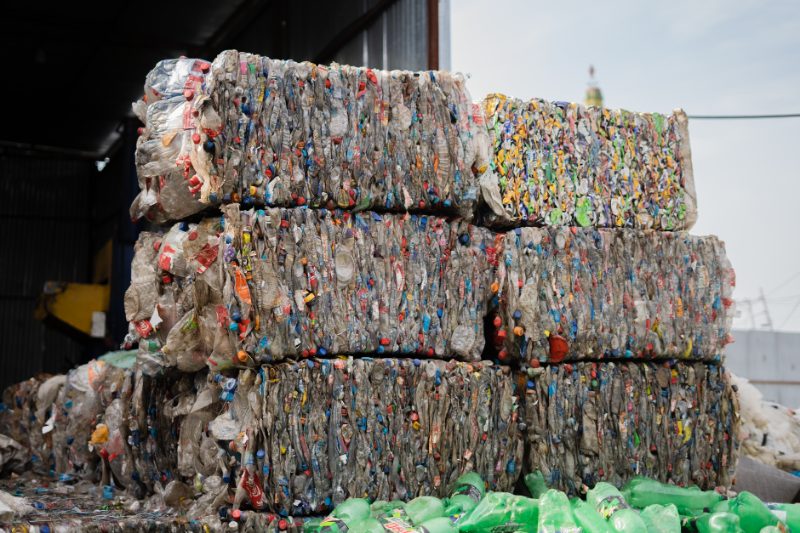
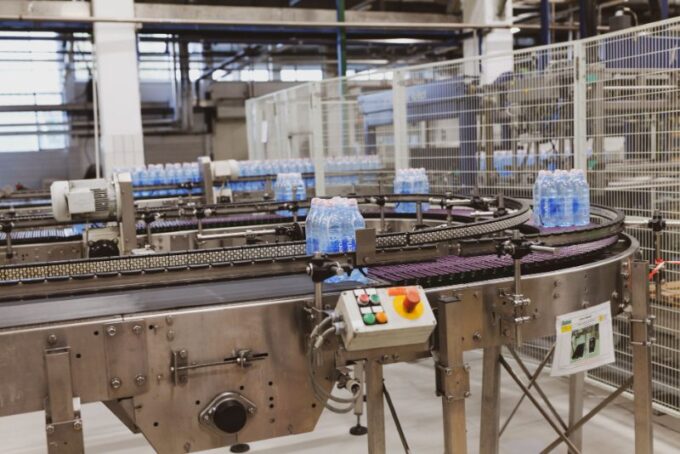
India’s plastics manufacturing base is entering a period of significant structural change, as two of the country’s largest conglomerates ready major capacity additions in polyvinyl chloride (PVC), a resin central to pipes, cables, packaging and construction materials. Adani’s 2 million-tonnes-per-annum Mundra petrochemical complex is set to begin phasing in production through 2026, while Reliance Industries is readying a 1.5 MTPA dual-site expansion of its own — together representing one of the largest simultaneous capacity build-outs the Indian plastics sector has seen in years.
A Market Already on a Growth Trajectory
The expansion lands on top of an industry that is already expanding briskly. India’s plastics industry is projected to grow from roughly $44.28 billion in 2025 to $47.04 billion in 2026, and onward to $63.69 billion by 2031, translating to a compound annual growth rate of about 6.24% over the 2026-2031 period. Much of that growth is underpinned by construction, packaging, agriculture and automotive demand, sectors in which PVC piping, films and moulded components are indispensable inputs. The new Adani and Reliance capacity is designed to meet that demand domestically, reducing India’s historical reliance on imported PVC resin at a time when global supply chains remain vulnerable to disruption.
Industry watchers note that midstream capacity additions of this scale typically take years to fully ramp, meaning the market impact of the new Mundra and Reliance lines will likely play out gradually rather than immediately. Even so, the scale of investment signals strong conviction from both groups that domestic plastics demand will remain resilient through the back half of the decade.
Recycling and Policy Pressures Mount in Parallel
The capacity build-out comes even as the sector faces intensifying pressure on the sustainability front. At the third Global Conclave on Plastic Recycling and Sustainability, held at Bharat Mandapam in New Delhi, Tejveer Singh, Secretary of the Department of Chemicals and Petrochemicals, called for the use of more advanced recycling technologies to improve the quality and value of recycled output, and stressed the need for India to align with unified global frameworks such as the proposed UN Global Plastics Treaty to establish consistent, binding waste management standards.
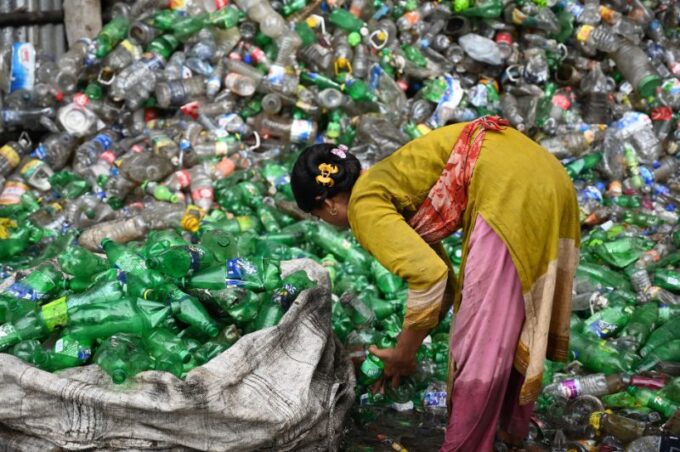
That push has real market implications: India’s recycled plastics segment is projected to reach $3.81 billion by 2032, growing at a compound annual growth rate of nearly 11% between 2024 and 2032. For virgin resin producers like Adani and Reliance, the parallel growth of the recycling economy raises longer-term questions about feedstock competition and the pace at which recycled content mandates could reshape demand for virgin PVC, even as near-term construction and infrastructure demand remains the dominant growth driver.
Implications for the Wider Value Chain
For downstream converters — the pipe, cable and packaging manufacturers that consume PVC resin — the new domestic capacity could ease price volatility that has historically stemmed from import dependence and currency fluctuations. A more self-sufficient PVC supply chain would also reduce exposure to the kind of Middle East-linked disruptions that have already rattled adjacent petrochemical and pigment markets this year, offering some insulation from external shocks even as commodity markets remain choppy globally.
Taken together, the twin themes of aggressive capacity expansion and rising recycling ambition suggest India’s plastics sector is bracing for a structurally larger, but also more scrutinised, decade ahead. How successfully companies like Adani and Reliance integrate circularity commitments alongside their conventional capacity expansions will likely determine how the sector is perceived by both regulators and increasingly sustainability-conscious customers in export markets.










Leave a comment