

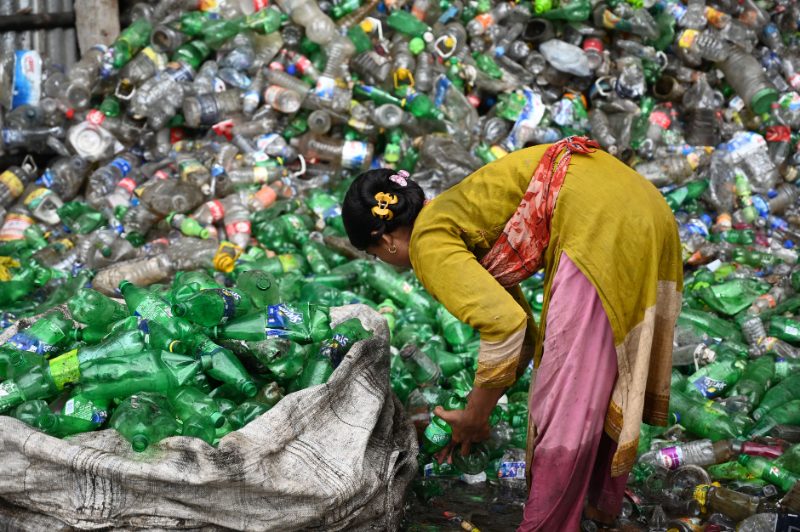
Aditya Birla Chemicals and UK-based Plaswire Ltd have signed a memorandum of understanding to jointly develop composite plastic waste recycling India and global solutions for thermoset composites, a class of materials long considered nearly impossible to recycle. The partnership, announced on September 24, 2026, pairs Aditya Birla’s proprietary Recyclamine chemical-recycling technology with Plaswire’s mechanical processing expertise to separate and recover fibres and resins from composite waste generated in wind energy, aerospace, transportation and construction.
The push for composite plastic waste recycling India solutions comes as domestic wind capacity additions and automotive manufacturing generate rising volumes of end-of-life composite material with few existing disposal options beyond landfill. Rajesh Balakrishnan, Chief Executive Officer of Advanced Materials at Aditya Birla Group, said the collaboration reflects a broader shift in how the industry must think about waste: “Creating a circular composites industry requires us to think beyond individual products and look across the entire value chain.” Andrew Billingsley, CEO of Plaswire, echoed the ambition to scale recycling infrastructure across multiple geographies rather than treating it as a niche activity. Neither company disclosed specific investment figures or plant locations for the initial phase of the tie-up.
Why Does Composite Plastic Waste Recycling Matter for India’s Plastics Industry?
Thermoset composites, used heavily in wind turbine blades, automotive parts and construction panels, undergo a permanent chemical curing process that makes them far harder to recycle than standard thermoplastics like PET or polypropylene. India’s renewable energy build-out, particularly wind capacity additions, has created a growing volume of composite waste with no established disposal pathway other than landfill or incineration, both of which face tightening regulatory scrutiny under the country’s evolving plastic waste management rules. Aditya Birla’s Recyclamine technology allows the resin matrix to be chemically broken down, recovering both the reinforcing fibres and usable resin components rather than destroying the material entirely.
What Does This Mean for India’s Plastics and Materials Sector?
For India’s broader plastics and advanced materials industry, the MoU signals growing corporate investment in circular-economy technology at a time when regulators are pushing Extended Producer Responsibility norms further up the value chain. Composite manufacturers supplying the wind, automotive and infrastructure sectors will be watching closely, since a viable recycling pathway could reduce disposal costs and open new revenue streams from recovered fibre and resin. Domestic players in glass-fibre reinforced plastics and specialty polymers may also explore licensing or partnership opportunities with Aditya Birla as the technology matures, particularly given India’s ambitions to expand renewable energy capacity, which will generate even larger volumes of end-of-life composite material over the next decade. Industry observers say scalable composite plastic waste recycling India infrastructure could eventually become a meaningful revenue line for materials companies rather than a compliance cost centre.
Market Reaction and Industry Response
Sustainability-focused investors and materials-sector analysts have generally welcomed large diversified conglomerates like Aditya Birla Group moving into recycling technology, viewing it as validation that circular-economy solutions for hard-to-recycle plastics are becoming commercially viable rather than purely experimental. Industry bodies tracking plastics and composites, including groups aligned with the Indian Chemical Council, have flagged similar joint ventures as a template other manufacturers may follow, especially as compliance costs under revised plastic waste rules continue to rise. No formal reaction from competing composite recyclers or from India’s plastics industry associations had been published at the time of the announcement.
What Happens Next?
Aditya Birla and Plaswire have not published a detailed rollout timeline, but the companies indicated the partnership will begin with technology validation and pilot-scale processing before any commercial-scale facility decisions are made. Observers will be watching for confirmation of whether initial recycling capacity will be located in India, given Aditya Birla Chemicals’ existing manufacturing footprint, or in the UK where Plaswire is headquartered. Any announcement of a dedicated plant or expanded capacity in the coming quarters would mark the shift from pilot to commercial-scale composite recycling in the region.
Frequently Asked Questions
What is Recyclamine technology?
Recyclamine is Aditya Birla’s proprietary chemical technology that breaks down the resin matrix in thermoset composites, allowing both reinforcing fibres and resin components to be recovered and reused rather than sent to landfill or incineration.
Why are thermoset composites hard to recycle?
Thermoset composites undergo a permanent curing process during manufacturing that chemically locks their structure in place, unlike thermoplastics which can be melted and reshaped, making conventional mechanical recycling largely ineffective for them.
Which industries generate the most composite waste that this partnership could address?
Wind energy, aerospace, automotive and construction are the largest sources of thermoset composite waste, with wind turbine blades in particular creating growing disposal challenges as older installations reach end of life.







Leave a comment