

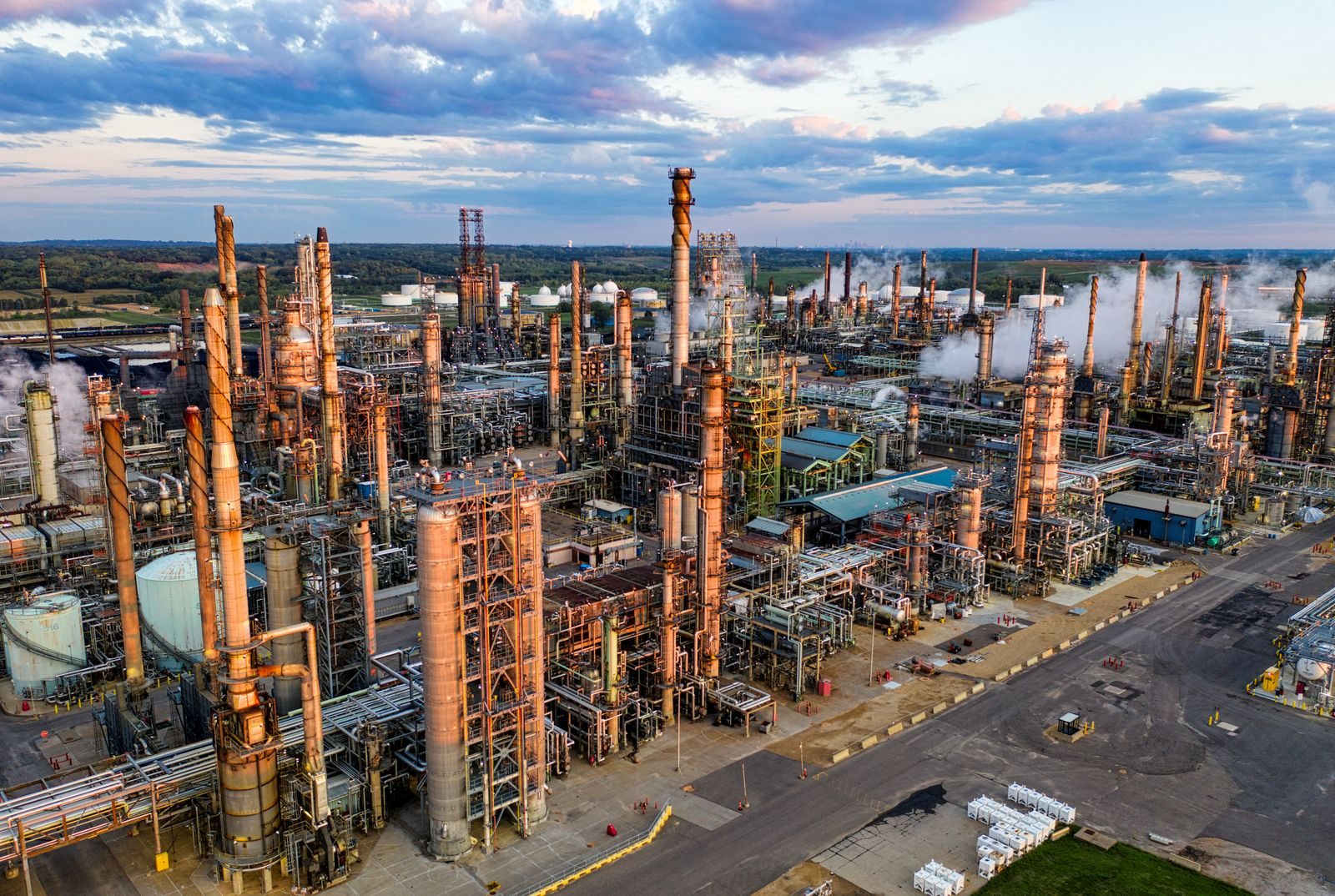
The BASF Evonik takeover attempt is over. Germany’s BASF SE said on 19 November 2026 that it had ended its pursuit of specialty chemicals maker Evonik Industries AG, after Evonik’s management board rejected two non-binding all-cash offers, the latest at €24 per share.
According to European Coatings, the €24 offer valued Evonik at about €11 billion (about USD 12 billion). PCI Magazine reported that an earlier approach of about €22.15 per share, roughly €10.3 billion, had also been rejected. Evonik, based in Essen, is Germany’s second-largest specialty chemicals group; BASF is headquartered in Ludwigshafen. No formal public offer or definitive acquisition agreement was ever reached.
Why Did BASF Walk Away From the Evonik Takeover?
BASF said Evonik’s management declined any substantive dialogue, even after BASF signalled it could moderately raise its offer. The company said “it would not be in the best interest of its shareholders to pursue the transaction at a higher price”. Evonik’s executive board had decided against opening negotiations on the information available, while saying it would take part in a confidential informational exchange, PCI Magazine reported.
BASF CEO Markus Kamieth said the offer represented “a significant additional and certain value for Evonik’s shareholders” and added: “We continue to believe that a combination under BASF’s ownership would create a more capable chemicals company.” He said acquisitions are an option rather than a requirement under BASF’s “Winning Ways” strategy.
Political Opposition in North Rhine-Westphalia
The proposed deal faced resistance from the state of North Rhine-Westphalia, where Evonik employs about 11,000 people. State Premier Hendrik Wüst said he wanted “this industrial core to remain here in North Rhine-Westphalia.” Economics Minister Mona Neubaur told Reuters: “We reject a takeover by BASF.”
Ownership was also central. The RAG Foundation holds a 44% stake in Evonik, and Wüst sits on the foundation’s board of trustees. BASF had offered conditional commitments, including honouring existing site agreements and protection against compulsory redundancies in Germany through 2032, PCI Magazine reported.
What the BASF Evonik Takeover Collapse Means for the Chemical Industry
For the chemical industry, the outcome leaves Evonik independent and ends what would have been a combination of two major German chemical groups. For Indian buyers and partners of both groups, nothing changes in ownership or supply structure, since no transaction was agreed. Industrial Front did not find any comment from Indian industry bodies on the decision.
Market Reaction and Industry Response
Evonik shares fell sharply after BASF’s announcement, while BASF shares rose by up to 2.9%, European Coatings reported. The RAG Foundation said on 20 November that it regretted the end of BASF’s pursuit and reiterated its long-term intention to reduce its Evonik stake to 25.1%, according to PCI Magazine.
What Happens Next?
BASF has closed the process and said it will not pursue a deal at a higher price. The RAG Foundation’s stated plan to reduce its holding to 25.1% remains a long-term intention, with no timeline given in the reports. Evonik is currently led by interim CEO Claus Rettig. PCI Magazine also noted a Reuters report that Evonik had been interested in acquiring Ashland, though no agreed transaction has been reported.
Frequently Asked Questions
Why did BASF end its Evonik takeover bid?
BASF said Evonik’s management rejected two non-binding cash offers and declined substantive talks, and that paying a higher price would not be in its shareholders’ interest.
How much did BASF offer for Evonik?
BASF’s latest offer was €24 per Evonik share, valuing the company at about €11 billion. An earlier approach of about €22.15 per share was also rejected.
Who is Evonik’s largest shareholder?
The RAG Foundation, which holds about 44% of Evonik and says it intends over the long term to reduce its stake to 25.1%.
Source: European Coatings, 20 November 2026; PCI Magazine, updated 20 November 2026.









Leave a comment