

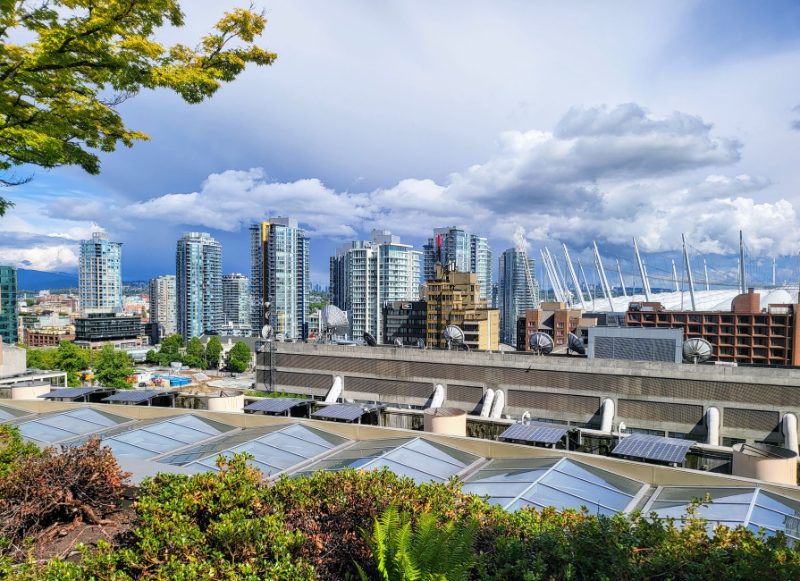
British Columbia’s updated residential building code mandates minimum SRI coatings for new low-slope roofs.
British Columbia’s updated Step Code for residential buildings now mandates minimum SRI of 78 for new low-slope roofing systems on buildings above a defined threshold size. The regulation, effective for all permits issued from Q1 2026, applies to single-family homes and multi-family residential buildings with flat or low-slope roofs — a significant portion of lower mainland construction typology.
The BC regulation follows the Science and Technology assessment of cool roof impacts post-2021 heat dome, which attributed measurable mortality reduction to the adoption of reflective roofing on healthcare and residential buildings during the event. The mandate extends the Vancouver-specific guidance to the provincial level.
Industry Implications and Market Context
This is a preview of the regulatory trajectory for similar mandates in Indian states. India’s BEE Energy Conservation Building Code (ECBC) 2023 references cool roof performance without mandating minimum SRI. State-level mandates in Rajasthan, Gujarat, and Maharashtra are likely to follow BC’s lead by 2027–2028.
What Happens Next?
Watch for similar provincial and state mandates in high heat-risk jurisdictions. In India, AEEE’s Cool Roof Programme is actively lobbying for mandatory SRI minimums in ECBC revision.
Frequently Asked Questions
What is the BC Step Code and why does it matter?
BC’s Step Code is a tiered energy efficiency standard for new buildings, progressively increasing performance requirements. Cool roof mandates embedded in Step Code create binding minimum standards that apply to all new construction above specified thresholds.
How does BC’s mandate compare to LEED requirements?
LEED v4.1 requires SRI ≥ 82 for low-slope roofs. BC Step Code’s SRI ≥ 78 is slightly below LEED but above the energy code baseline in most US and Canadian jurisdictions — establishing a meaningful regulatory floor.
Where can I find more information?
BC Housing publishes Step Code requirements and technical specifications. AEEE and BEE provide Indian context for cool roof regulation development.









Leave a comment