

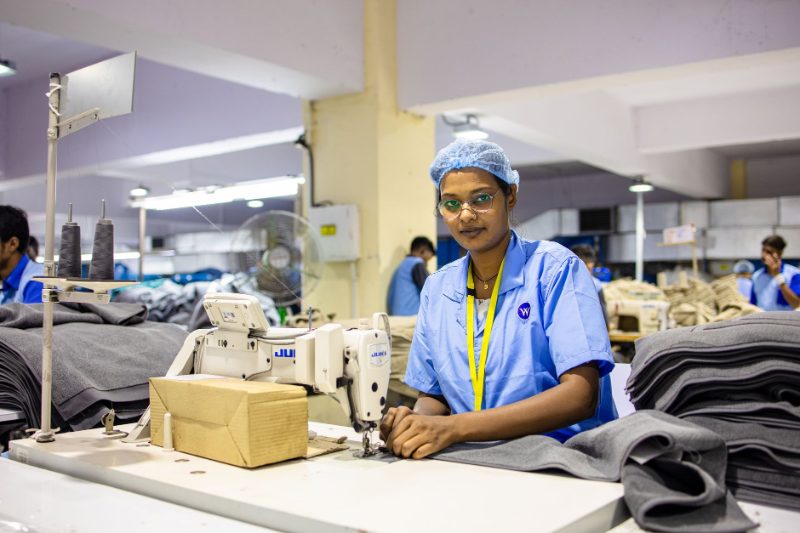
Police in Bengaluru detained more than 50 garment workers, including Garment and Textile Workers’ Union (GATWU) president Prathibha R, during a garment workers PF protest in Peenya on Wednesday, September 30, 2026. The workers were protesting new rules that restrict how quickly they can withdraw their Provident Fund (PF) and Employees’ Pension Scheme (EPS) savings, according to ANI.
GATWU is affiliated with the All India Central Council of Trade Unions (AICCTU). The union called the rules “anti-worker” and said police had threatened to file FIRs against the detained workers. The detentions came days after about 5,000 workers submitted a signed petition to the Additional Central Provident Fund Commissioner on September 28.
What Do the New PF and EPS Withdrawal Rules Say?
The provisions are dated June 29, 2026. Under them, a worker who leaves employment must wait 12 months before accessing the remaining 25% of PF savings. A worker with less than 10 years of service must wait 36 months before withdrawing the EPS accumulation.
The union argues that these waiting periods hit garment workers hardest. It says PF savings are often the only financial safety net for workers who face medical emergencies, education costs and family needs, and that many of them change jobs frequently.
Why Does This Matter to the Garment Workforce?
According to the union, 85-90% of the affected workforce is women, and many are the primary earners in their households. Workers in this segment often depend on savings during gaps between jobs. A 12-month wait on the final 25% of PF and a 36-month wait on EPS for short-service workers lengthens the period in which that money stays locked.
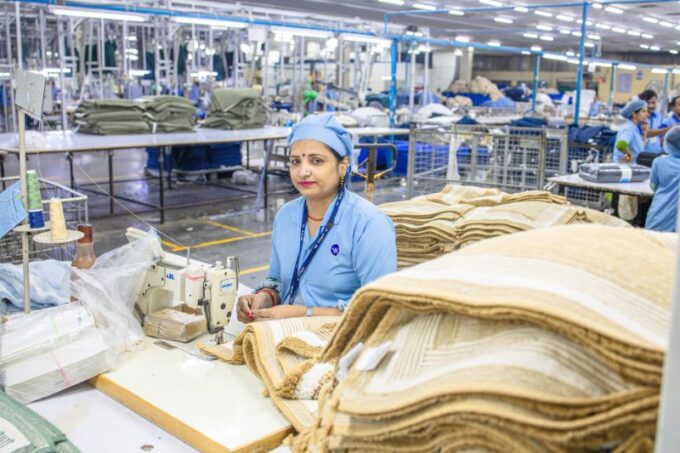
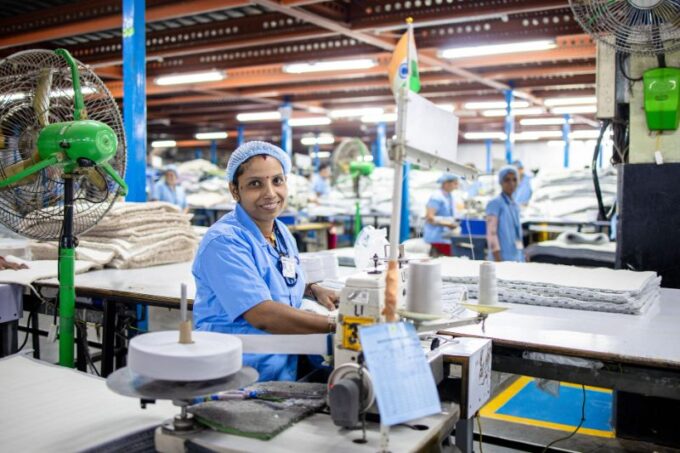
Peenya is a major industrial area in Bengaluru, and Karnataka’s garment sector employs a large number of workers in stitching and finishing units. The protest therefore draws attention to labour conditions in a segment that supplies both domestic and export markets.
What Does This Mean for Garment Manufacturers?
Manufacturers have not commented in the reports available so far. Labour unrest can disrupt production schedules, and the sector is also dealing with the October 1 start of the extended RoSCTL export remission period. Employers typically face higher attrition and recruitment costs when workers feel their savings are insecure, so the outcome of this dispute matters to factory managers as well as to workers.
Market Reaction and Industry Response
No market or industry body reaction has been reported yet. The union’s statement is the main reaction on record, and it describes the detentions and the threat of FIRs as a response to a peaceful protest. Police have not been quoted in the report we reviewed.
What Happens Next?
The petition now sits with the Additional Central Provident Fund Commissioner, and the union has indicated it will continue to oppose the rules. Watch for a response from the Employees’ Provident Fund Organisation, any clarification on the June 29, 2026 provisions, and whether the union announces further protests in Bengaluru or other garment clusters.
Frequently Asked Questions
Why were garment workers detained in Bengaluru?
More than 50 garment workers and GATWU president Prathibha R were detained in Peenya on September 30, 2026, during a protest against new PF and EPS withdrawal rules. The union says police threatened to file FIRs against them.
What are the new PF withdrawal rules?
Under provisions dated June 29, 2026, a worker leaving employment must wait 12 months to access the remaining 25% of PF savings. Workers with under 10 years of service must wait 36 months to withdraw their EPS accumulation.
Who is GATWU?
GATWU is the Garment and Textile Workers’ Union, linked to the All India Central Council of Trade Unions (AICCTU). About 5,000 workers signed its petition against the rules, submitted on September 28, 2026.








Leave a comment