

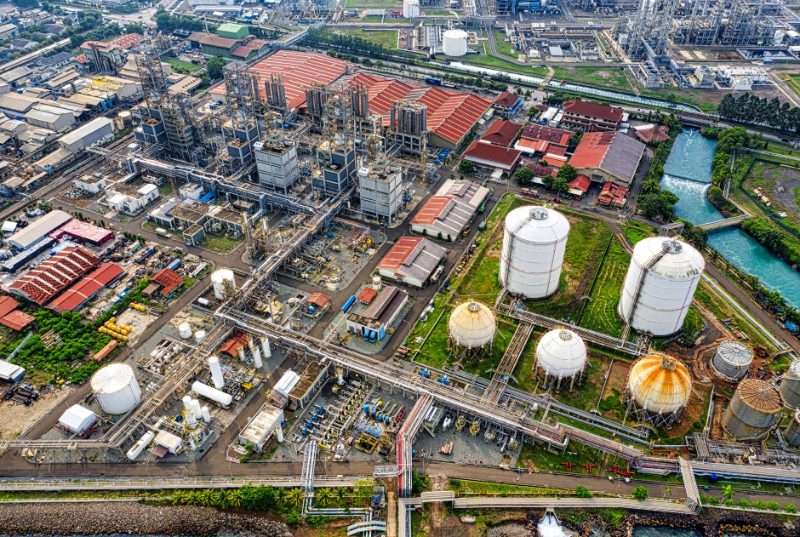
The Union Cabinet approved the ₹3,030 crore BHAVYA-Rasayan Scheme on July 24, 2026, sanctioning the creation of three dedicated chemical parks to reduce India’s dependence on imported chemical intermediates. Formally titled the Bharat Audyogik Vikas Yojana Rasayan Scheme, it marks the government’s largest single push yet to build domestic capacity in bulk chemicals and specialty intermediates.
Under the scheme, the Centre will provide assistance of up to ₹1,000 crore per park, contingent on a minimum ₹500 crore contribution from the respective state government. The approval came alongside a separate Cabinet decision to build third and fourth railway lines linking Guntakal in Andhra Pradesh to Ankola in Karnataka via Ballari and Hubballi, a corridor Union minister Ashwini Vaishnaw described as critical for moving chemical and mineral cargo.
How Will the BHAVYA-Rasayan Scheme Help Chemical Manufacturers?
The scheme targets bulk chemicals and specialty intermediates that India currently imports in large volumes, particularly from China, including precursors for pharmaceuticals, agrochemicals and dyes. By co-funding land, utilities and common infrastructure at three chemical parks, the government aims to lower capital costs for private manufacturers setting up production units, shortening the payback period for new chemical plants and making Indian-made intermediates more price-competitive against imports.
What Do Industry Bodies Say About the Scheme?
Chemical industry associations have welcomed the ₹3,030 crore outlay as a long-pending demand, noting that plug-and-play chemical parks with shared effluent treatment and logistics facilities can cut project gestation time significantly. Analysts tracking the sector say the scheme complements existing production-linked incentive schemes for bulk drugs and specialty chemicals, and could help India reduce its chemical import bill, a large share of which currently goes to Chinese suppliers.
Market and Trade Reaction
Shares of domestic chemical and specialty chemical manufacturers saw renewed investor interest following the Cabinet approval, with the announcement seen as a signal of sustained policy support for import substitution in the sector. The scheme is also expected to indirectly support India’s pharmaceutical industry, which relies heavily on imported active pharmaceutical ingredient intermediates.
What Happens Next?
The Department of Chemicals and Petrochemicals is expected to shortlist states for the three parks in the coming months, based on land availability and existing chemical industry clusters. States will need to identify sites and commit their ₹500 crore matching contribution before Central funds are released. Implementation timelines and the first park’s construction start date are expected to be announced once state proposals are finalised.
Frequently Asked Questions
What is the BHAVYA-Rasayan Scheme?
It is a ₹3,030 crore Central government scheme approved on July 24, 2026, to build three chemical parks with shared infrastructure, aimed at boosting domestic bulk chemical and specialty intermediate manufacturing.
How much funding will each chemical park receive?
Each park can receive Central assistance of up to ₹1,000 crore, provided the concerned state government contributes at least ₹500 crore toward the project.
Why is the government focusing on chemical parks now?
India imports a significant share of chemical intermediates and APIs, particularly from China. The scheme aims to build domestic capacity, reduce import dependence and support downstream industries like pharmaceuticals and agrochemicals.







Leave a comment