

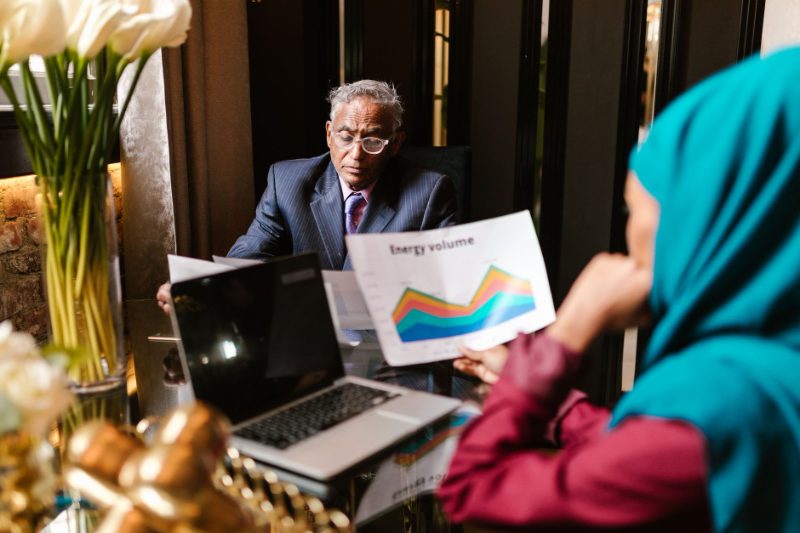
The Union Ministry of Finance is hosting a two-day Conference of State Finance Ministers and Finance Secretaries on September 18-19 in New Delhi, themed “Financing India’s Journey Towards Viksit Bharat,” bringing Union Finance Minister Nirmala Sitharaman together with state finance ministers, chief ministers and senior officials to align Centre-state fiscal priorities ahead of India’s 2047 development targets.
The conference is structured around three thematic sessions covering macroeconomic developments, financing agricultural transformation, and financing the energy transition. Background papers circulated to participants address macroeconomic milestones on the path to Viksit Bharat, private financing options, the implications of GST 2.0 for state revenues, and financing agricultural markets and resilience, giving the discussions a data-driven, implementation-focused agenda rather than a purely ceremonial one.
Why Is Centre-State Fiscal Coordination the Focus Now?
With GST 2.0’s rate rationalisation already reshaping state revenue collections, the conference gives states a formal platform to flag compensation gaps and financing needs before the next Union Budget cycle. States rely on GST devolution and central transfers for a large share of spending, so any shift in the indirect tax structure has direct implications for state capital expenditure on infrastructure, health and education.
What Do the Three Thematic Sessions Signal About Priorities?
Dedicating a full session to financing agricultural transformation and another to the energy transition indicates the Centre wants states to treat these as investment-financing problems, not just subsidy line items. The macroeconomic session is expected to cover growth, inflation and fiscal-deficit trajectories at both Union and state levels, giving finance ministers a shared statistical baseline before budget discussions for 2027-28 begin later this year.
Market and Trade Reaction
State government bond markets, where states raise capital through State Development Loans, are watched closely by institutional investors for signals on fiscal discipline coming out of such conferences. Ratings agencies and bond desks typically parse the outcomes of Centre-state fiscal meetings for clues on state borrowing plans for the remainder of FY27, particularly from states carrying higher debt-to-GSDP ratios.
What Happens Next?
Outcomes from the September 18-19 conference are expected to feed into pre-Budget consultations that the Finance Ministry typically holds with states before the Union Budget. Officials will also watch whether specific commitments emerge on energy-transition financing instruments, such as green bonds or blended-finance vehicles for state-level renewable projects, in the weeks following the meeting.
Frequently Asked Questions
What is the theme of the September 2026 State Finance Ministers conference?
The conference is themed “Financing India’s Journey Towards Viksit Bharat” and runs September 18-19, 2026, in New Delhi, hosted by the Union Finance Ministry.
What topics will the conference cover?
Three thematic sessions cover macroeconomic developments, financing agricultural transformation, and financing the energy transition, alongside broader discussion of GST 2.0’s impact on state finances.
Who is attending the conference?
Union Finance Minister Nirmala Sitharaman, state finance ministers, chief ministers and senior finance officials from states and Union Territories with legislature are participating.













Leave a comment