

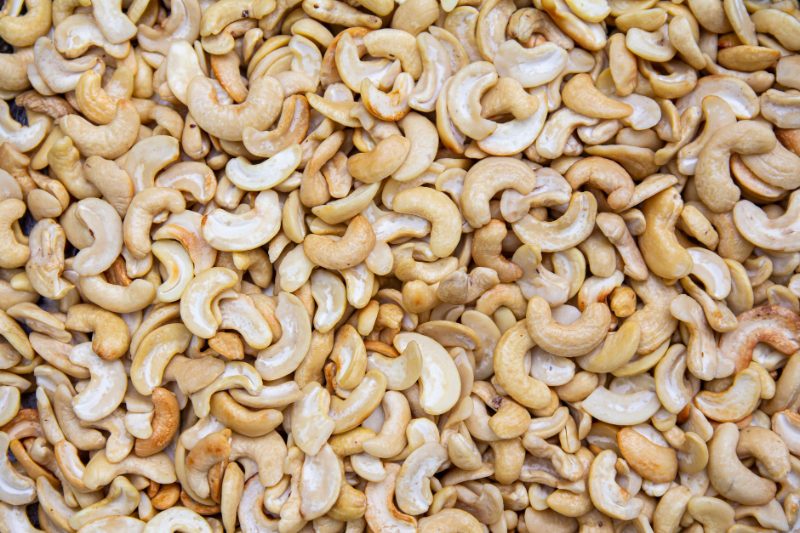
CNSL derivative provides renewable alternative to BPA epoxy with strong metal adhesion and corrosion protection.
Cardanol — a phenolic compound derived from cashew nut shell liquid (CNSL) — is advancing as a commercially significant alternative to bisphenol-A (BPA) epoxy resins in anticorrosion protective coatings. CNSL is generated as a by-product of cashew nut processing and India, as the world’s largest cashew processor, generates significant volumes annually.
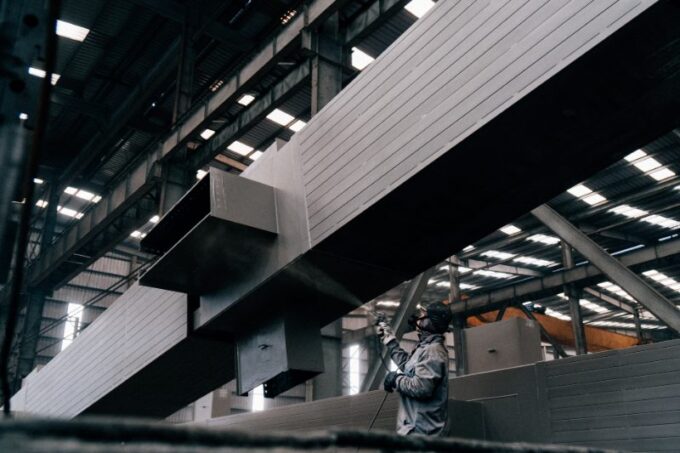
Cardanol-based epoxy coating systems demonstrate strong adhesion to steel and aluminium substrates, equivalent corrosion protection to BPA epoxy primers in 500–1000 hour salt spray testing, and superior resistance to biological fouling on marine structures due to cardanol’s inherent phenolic biocidal activity. The strategic advantage for India is completing the cashew value chain: from nut export to CNSL recovery to cardanol derivative synthesis to high-value coating resin — entirely within the domestic economy.
Industry Implications and Market Context
India’s cashew processing industry generates approximately 60,000 tonnes of CNSL annually, currently valued at USD 200–300 per tonne. Conversion to cardanol-based coating resins could increase value 5–10× — a significant industrial policy opportunity for states including Kerala, Goa, Maharashtra, and Andhra Pradesh with established cashew processing clusters.
What Happens Next?
Commercial scale-up is expected from pilot-phase manufacturers including Satya Cashew Chemicals. Watch for licensing agreements with major Indian coating manufacturers for cardanol epoxy primer products in H2 2026 and 2027.
Frequently Asked Questions
Why is BPA epoxy being replaced in coatings?
BPA (bisphenol A) is classified as an endocrine disruptor under EU REACH and is restricted in food contact applications. Growing regulatory pressure and health concerns are driving development of BPA-free epoxy alternatives across coating sectors.
What makes cardanol a good BPA epoxy substitute?
Cardanol’s phenolic structure provides similar chemical reactivity to BPA for epoxy synthesis. Its long alkyl side chains impart flexibility and improve chemical resistance compared to rigid BPA systems, while the phenolic hydroxyl provides strong substrate adhesion.
Where can I find more information?
CSIR-NCL, IIT Bombay, and Satya Cashew Chemicals are key Indian research and commercial actors. The Indian Paint Association (IPA) and Cashew Export Promotion Council of India (CEPCI) track CNSL commercialisation.












Leave a comment