

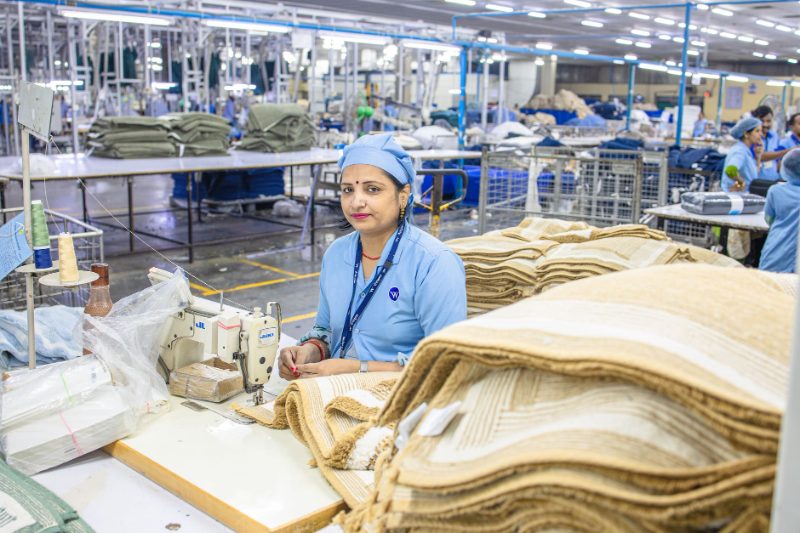
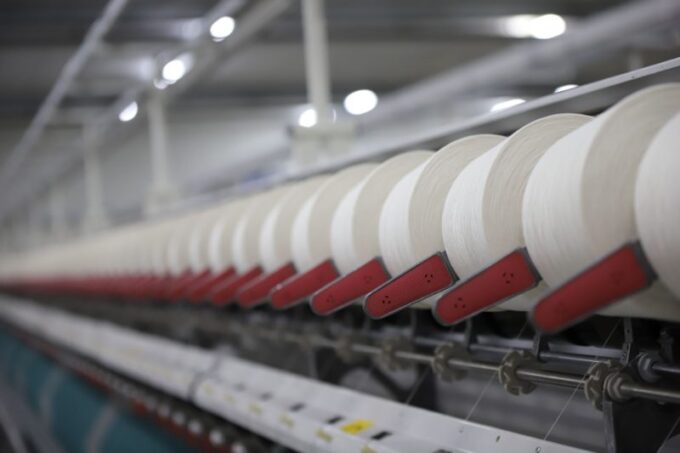
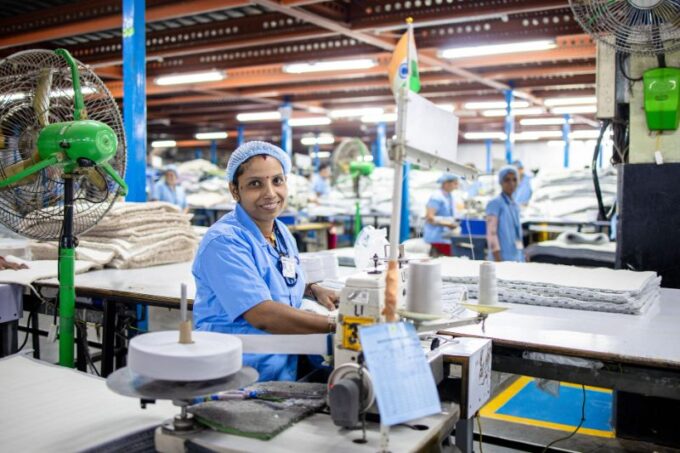
Factories located inside India’s PM MITRA integrated textile parks are seeing operational costs fall by 15 to 20 percent in 2026, according to early data from the government’s flagship textile infrastructure scheme, as shared utilities and streamlined logistics deliver measurable savings. The PM MITRA parks India 2026 program is designed to cluster spinning, weaving, dyeing, printing and garmenting under one roof to cut the fragmentation that has long added cost to Indian textile manufacturing.
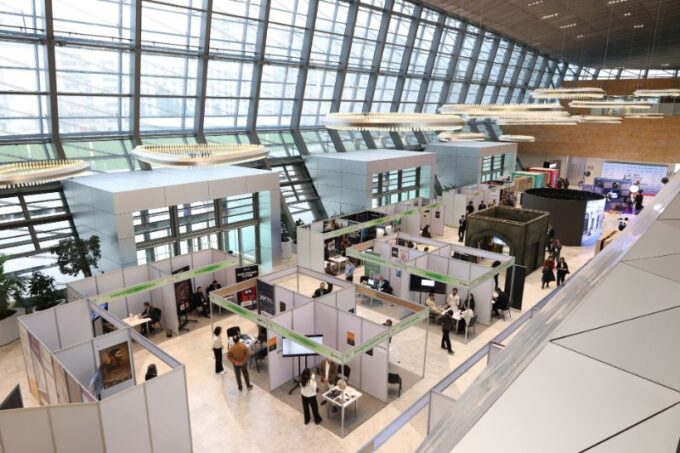
The cost reduction figures come as India’s textile industry gears up for Bharat Tex 2026, the country’s largest global textile expo running July 14-17 in New Delhi, where PM MITRA parks are expected to feature prominently in government presentations to international buyers and investors seeking integrated, cost-competitive manufacturing bases.
How Are PM MITRA Parks Cutting Textile Manufacturing Costs?
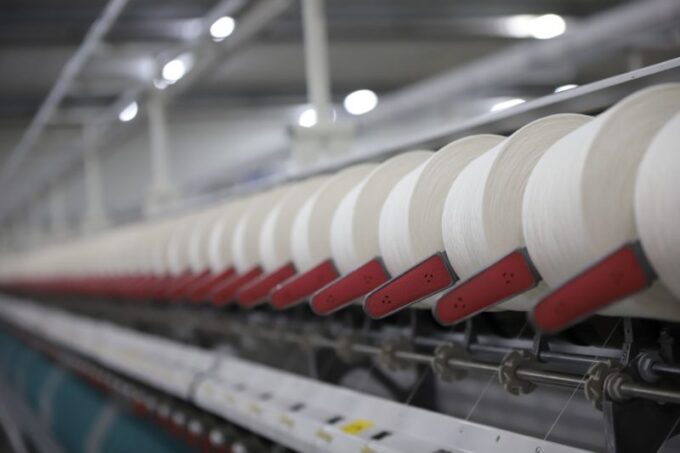
PM MITRA parks India 2026 are delivering cost savings primarily through shared common infrastructure, including effluent treatment plants, power supply, water systems and logistics hubs, that individual textile units would otherwise have to build and maintain on their own. By co-locating the entire textile value chain, from fibre to fabric to finished garment, within a single integrated park, manufacturers avoid the transportation costs and delays associated with shipping semi-finished goods between geographically scattered facilities. The 15-20% reduction in operational costs reported by early-mover factories reflects savings across utilities, compliance overheads and inbound-outbound logistics, according to officials tracking the scheme’s rollout.
What Does This Mean for India’s Textile Industry?
For India’s textile manufacturers, many of whom compete directly with lower-cost hubs in Bangladesh and Vietnam, a structural 15-20% cost advantage from PM MITRA parks could be a meaningful competitive differentiator, particularly for export-oriented apparel and technical textile producers. The scheme is designed to attract both domestic textile groups and international investors looking to set up integrated manufacturing bases in India rather than relying on fragmented supply chains across multiple states. Industry analysts say the early cost data strengthens the government’s pitch to global brands attending Bharat Tex 2026, who are actively seeking to diversify sourcing away from single-country dependence following recent global supply chain disruptions.
Market Reaction and Industry Response
Textile industry bodies have pointed to the PM MITRA cost data as validation of the integrated park model, arguing it addresses a long-standing structural weakness in India’s textile competitiveness compared to more consolidated manufacturing hubs elsewhere in Asia. Some manufacturers not yet located within PM MITRA parks have expressed interest in relocating or expanding operations into the parks to capture similar savings, though industry participants note that land acquisition and construction timelines for new sites remain a bottleneck. State governments hosting PM MITRA parks have used the early results to promote further investment commitments from both domestic and international textile companies.
What Happens Next?
With Bharat Tex 2026 opening July 14 in New Delhi, industry watchers expect the government to showcase PM MITRA cost data prominently to the 7,000-plus international buyers and delegations attending the event, positioning India as a cost-competitive alternative for integrated textile manufacturing. Officials are also expected to announce progress on remaining PM MITRA park sites that have not yet reached full operational capacity, with further cost and productivity data likely to be released as more factories come online through the rest of 2026 and into 2027. Textile groups already operating within the parks say they plan to use the cost savings to reinvest in automation and sustainable dyeing technology, areas that global apparel brands increasingly demand from their sourcing partners.
Frequently Asked Questions
What is the PM MITRA scheme?
PM MITRA, or PM Mega Integrated Textile Region and Apparel park, is a government scheme that clusters spinning, weaving, dyeing, printing and garmenting facilities within integrated parks to reduce fragmentation and lower costs in India’s textile industry.
How much are PM MITRA parks reducing costs in 2026?
Early data shows factories inside PM MITRA parks India 2026 are cutting operational costs by 15 to 20 percent, driven by shared utilities, effluent treatment infrastructure and streamlined inbound-outbound logistics.
Why are PM MITRA parks important for India’s textile exports?
PM MITRA parks give Indian textile manufacturers a structural cost advantage that could help them compete more effectively with lower-cost hubs like Bangladesh and Vietnam, supporting India’s push to attract global buyers at events like Bharat Tex 2026.








Leave a comment