

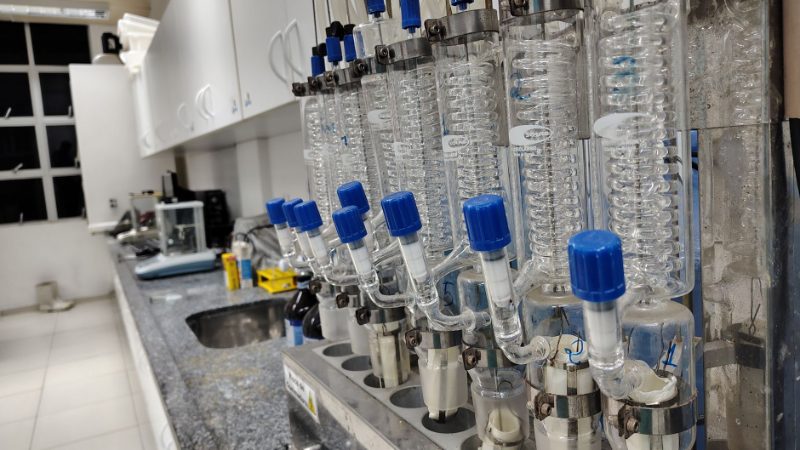
Shell rupture under mechanical fracture releases healing chemistry directly at the damage site.
The microcapsule approach to self-healing coatings is advancing into sophisticated core-shell architecture addressing the limitations of first-generation systems. Aminic pigment-affine shell groups allow the microcapsule surface to interact with TiO₂ and pigment particles in the coating matrix — distributing capsules evenly throughout the film rather than allowing migration or agglomeration. When mechanical fracture ruptures the shell, the healing agent is released exactly where damage has occurred.
Indian manufacturers supplying anti-corrosion primers for pipeline, shipbuilding, and defence sectors are the most logical early adopters. The technology allows specification of a smart primer layer with autonomous repair capability under the topcoat — reducing inspection interval and maintenance requirement for coated structures in difficult-access environments.
Industry Implications and Market Context
This development reflects the broader trend toward intelligent material design. The technology underpins product development cycles that typically take 3–5 years from laboratory to commercial scale.
What Happens Next?
Commercial adoption depends on scaling microcapsule production and regulatory clearance. Watch for licensing agreements and pilot-scale trials in H2 2026 and 2027.
Frequently Asked Questions
How do core-shell microcapsules work in coatings?
Microcapsules have a thin polymer shell enclosing a liquid healing agent. When the coating is damaged, the capsule shell ruptures, releasing the healing chemistry directly at the damage site to restore barrier properties.
What sectors benefit most from microcapsule self-healing coatings?
Pipeline infrastructure, offshore platforms, shipbuilding, wind energy, and defence structures — where maintenance access is difficult and costly — benefit most from autonomous self-healing coating systems.
Where can I find more information?
Technical coverage is available from ECCA, ACA, IPA, and publications including Progress in Organic Coatings and European Coatings Journal.









Leave a comment