

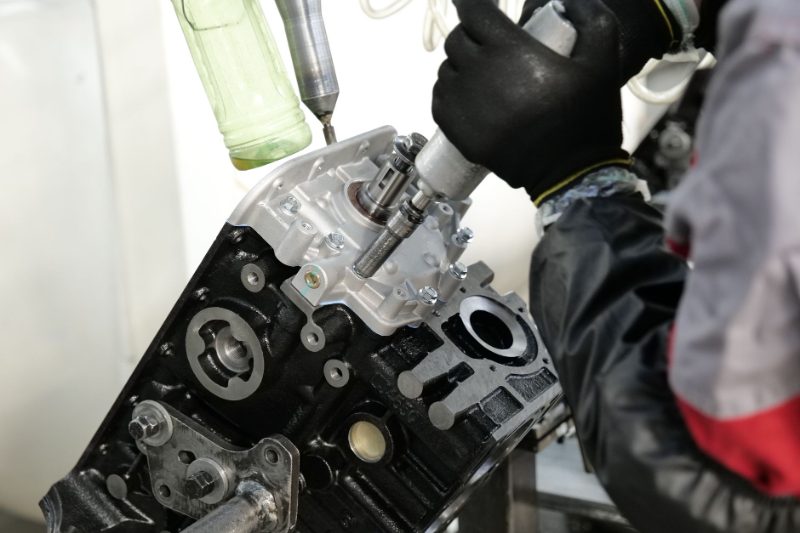
India’s auto component industry recorded a turnover of ₹7.60 trillion (USD 85.9 billion) in FY2025-26, registering growth of 12.7% in rupee terms over the previous financial year, according to data released by the Automotive Component Manufacturers Association of India (ACMA). The India auto component industry FY26 performance underscores the sector’s emergence as a global manufacturing powerhouse, with domestic OEM demand, aftermarket sales, and export growth all contributing to the record turnover.
The milestone comes as India’s automotive sector experiences broad-based volume growth across passenger vehicles, commercial vehicles, two-wheelers, and the rapidly expanding electric vehicle (EV) segment. The auto component industry’s ₹7.60 trillion turnover makes India one of the world’s top five auto component manufacturing nations, with ambitions to reach USD 100 billion in turnover by 2026-27 under the government’s Automotive Mission Plan targets.
What Drove India’s Auto Component Industry to ₹7.6 Trillion in FY26?
The India auto component industry FY26 turnover growth was driven by three primary channels. Domestic OEM supply — components supplied directly to vehicle manufacturers — remained the largest revenue stream, benefiting from sustained passenger vehicle demand, record commercial vehicle production for fleet renewal and infrastructure-linked freight activity, and accelerating EV production from Tata Motors, Mahindra Electric, Ola Electric, and new OEM entrants. The aftermarket segment, which serves India’s large vehicle parc of over 350 million registered vehicles, contributed approximately 18% of total turnover. Auto component exports accounted for approximately 25% of total turnover, with ACMA data showing exports growing 8–10% in USD terms despite global demand softness in certain European markets.
How Is India’s Auto Component Sector Positioning for the EV Transition?
The shift to electric vehicles presents both disruption and opportunity for India’s auto component manufacturers. Traditional components like exhaust systems, fuel injection parts, and transmission components face long-term demand decline as ICE vehicles are displaced. However, EV-specific components including battery management systems, electric motors, power electronics, thermal management systems, and high-voltage wiring harnesses are rapidly growing in domestic demand. ACMA members are investing significantly in EV component manufacturing capability: over 150 ACMA member companies reported active investment in EV component development in FY2025-26, with several global Tier-1 suppliers establishing India-specific EV component production lines in the Pune, Chennai, and Gurugram automotive clusters. The government’s PLI scheme for Automotive and Auto Components has sanctioned approximately INR 26,058 crore for investment in advanced automotive technology through 2028.
Market Reaction and Industry Response
The ₹7.60 trillion turnover announcement was welcomed by the industry as validation of India’s growing global auto component competitiveness. Listed auto component companies including Motherson Sumi Wiring, Bharat Forge, Minda Industries, and Sona BLW Precision Forgings have delivered strong stock performance in H1 2026, reflecting both record revenues and improving margin profiles driven by operating leverage. Export growth has been particularly noteworthy: India is now a significant supplier of forgings, castings, electrical components, and precision machined parts to OEMs in Europe, North America, and Japan. The geopolitical realignment of global supply chains, with European and North American OEMs actively seeking to reduce China exposure, has created structural tailwinds for Indian auto component exporters that ACMA expects to sustain through the decade.
What Happens Next?
ACMA has set an ambitious target of USD 100 billion in auto component industry turnover by FY2026-27, representing approximately 30% growth from FY26 levels — a target that will require both volume growth and continued export market penetration. Key catalysts include further EV model launches by domestic and international OEMs driving component demand, new export contracts as global OEMs formalise India supply chain expansion, and capacity additions under the Automotive PLI scheme reaching production stage in FY2026-27. The India Auto Expo 2026 later this year is expected to showcase a record number of EV and hybrid models, providing visibility on future component demand mix and the pace of ICE-to-EV transition across vehicle segments.
Frequently Asked Questions
What was India’s auto component industry turnover in FY2025-26?
India’s auto component industry recorded ₹7.60 trillion (USD 85.9 billion) in turnover in FY2025-26, growing 12.7% in rupee terms year-on-year. The growth was driven by domestic OEM demand, aftermarket sales, and exports, according to data from the Automotive Component Manufacturers Association of India (ACMA).
How is India’s auto component industry adapting to the EV transition?
Over 150 ACMA member companies are actively investing in EV component manufacturing, including battery management systems, electric motors, power electronics, and thermal management. The government’s Automotive PLI scheme has sanctioned INR 26,058 crore for advanced automotive technology investments through 2028, accelerating the industry’s EV transition readiness.
What are India’s auto component export prospects?
India’s auto component exports grew 8–10% in USD terms in FY2025-26, with forgings, castings, electrical components, and precision machined parts as leading export categories. Global OEMs in Europe and North America are actively diversifying supply chains away from China, creating structural export tailwinds for Indian manufacturers that ACMA expects to sustain through the decade.












Leave a comment