

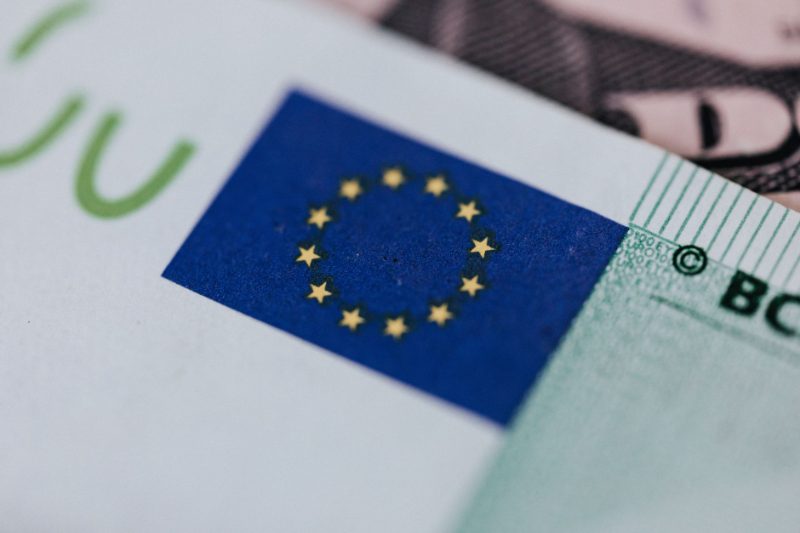
The EU-India Free Trade Agreement signed on January 27, 2026, grants immediate duty-free access to 70.4% of Indian tariff lines upon entry into force, with the EU India FTA 2026 duty-free coverage expanding to 99% of Indian exports by value at full implementation. The agreement covers trade worth over €100 billion annually and is the most significant market access gain India has secured with any trading partner in its history, ending nine years of negotiations.
The deal was signed on the sidelines of the India-EU Leaders’ Summit in New Delhi on January 27, 2026. The EU is India’s largest trading partner bloc, accounting for €130.6 billion in goods and services trade in 2025. The agreement enters into force following ratification by the European Parliament and Indian Parliament, a process expected to complete by late 2026 or early 2027, with India’s Monsoon Session of Parliament set to take up the enabling legislation from July 20, 2026.
What Does the EU-India FTA Cover and Who Benefits?
The agreement eliminates EU tariffs on Indian pharmaceutical exports worth €1.1 billion annually — a sector where India’s generics have faced average duties of 4.5%. Engineering goods, textiles, chemicals, and processed food products gain significant preference margins. India in turn reduces tariffs on EU automobiles (currently 100%), wines and spirits, and dairy products in a phased schedule over 7-10 years. The services chapter addresses Mode 4 mobility for IT professionals, with an estimated 30,000 additional annual visas for skilled Indian workers to EU member states. India’s IT sector — which generated €28 billion from EU clients in FY25 — expects a significant compliance and mobility cost reduction once the services chapter enters full force.
What Do Economists and Industry Bodies Say?
The EU-India FTA is projected to increase bilateral trade to $200 billion by 2030, from $135 billion in 2025, according to the European Commission and India’s Ministry of Commerce. CII President Sanjiv Puri called the deal “a generational opportunity for Indian manufacturing.” Domestic auto manufacturers have raised concerns about the phased reduction in EU car tariffs, while the dairy industry has sought longer phase-in periods to adjust to European competition. FICCI noted that the deal’s investment protection chapter strengthens confidence for European FDI into India, which reached $12.4 billion in FY25.
Market and Trade Reaction
Indian equity markets responded positively to the FTA signing, with pharma indices gaining 3.2% and textile stocks rising 4.1% on the announcement day. The BSE Sensex hit a record 92,000 level in the week following the signing. Export-oriented manufacturing clusters in Gujarat’s pharma belt and Tamil Nadu’s auto components sector have announced capacity expansion plans contingent on the deal’s ratification timeline. European companies have begun accelerating India investment inquiries, particularly in renewable energy and semiconductor fabrication, which are explicitly covered under the deal’s investment facilitation chapter.
What Happens Next?
The EU-India FTA enters provisional application for goods after ratification by the European Parliament, expected by Q4 2026. India’s Parliament is expected to table enabling legislation in the Monsoon Session starting July 20, 2026. Full implementation of the 99% duty-free coverage will be phased over 7-10 years for sensitive sectors. A joint EU-India Trade Committee will oversee implementation and handle disputes. The next ministerial trade review between India and the EU is scheduled for Q1 2027 in Brussels.
Frequently Asked Questions
When will the EU-India FTA come into force?
The EU-India FTA was signed January 27, 2026, and is expected to enter provisional force after ratification by the European Parliament, anticipated in Q4 2026. Full phased implementation across all sectors will be completed over 7-10 years.
What percentage of Indian exports become duty-free under the EU-India FTA?
70.4% of Indian tariff lines receive immediate duty-free access upon entry into force, rising to 99% of India’s export value at full implementation, covering pharmaceuticals, textiles, engineering goods, and chemicals.
Will the EU-India FTA reduce tariffs on European cars in India?
Yes. India will reduce its current 100% tariff on EU automobiles in a phased schedule over 7-10 years. The first tariff cut is expected no earlier than 2027, giving domestic automakers an adjustment period to prepare for European competition.









Leave a comment