

The world isn’t changing overnight. It’s changing underneath.
For most of modern history, power looked obvious.
Empires were built with armies.
Economies were driven by factories.
Influence came from land and resources.
Today, power wears a different face.
It flows through supply chains, financial systems, data networks, and production hubs.
And while headlines focus on wars, elections, and stock markets, a much deeper shift is taking place quietly across the global economy.
The world is moving from factory power to financial power — and now toward system power.
Understanding this shift matters more than any breaking news.
Phase One: When Factories Ruled the World
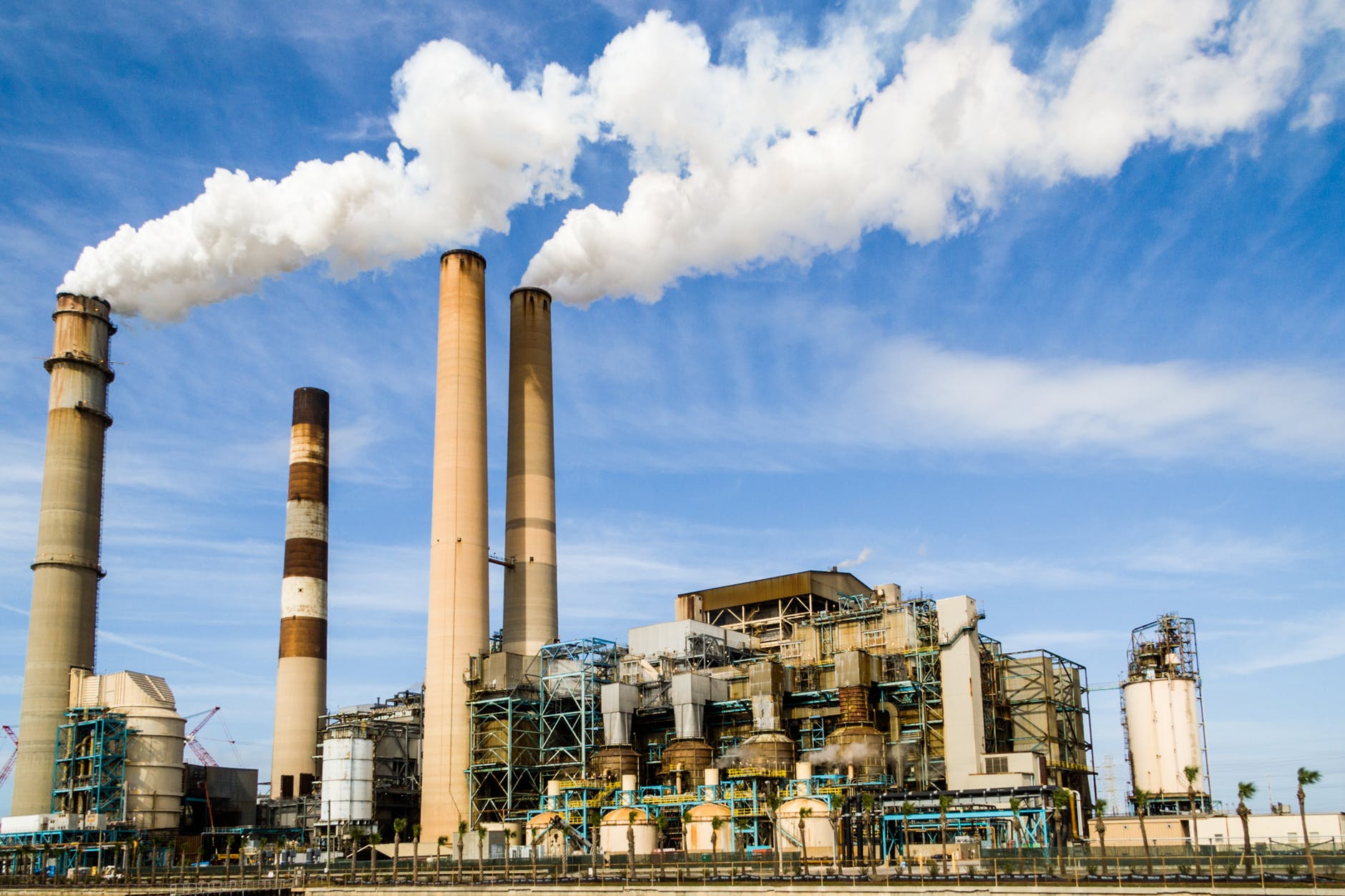
The 20th century belonged to manufacturing.
Whoever produced the most controlled trade.
America built factories.
Germany mastered engineering.
Japan perfected efficiency.
China later scaled this model to unprecedented levels, becoming the world’s workshop.
Manufacturing wasn’t just about goods.
It created jobs, cities, exports, and political influence.
Factories built nations.
Phase Two: Finance Took Over
Then something changed.
Money started moving faster than machines.
Wall Street, London, and global banks began shaping economies more than industrial output.
Countries with strong financial systems gained power even without large manufacturing bases.
Debt markets replaced smokestacks.
Investment flows replaced shipping routes.
The US dollar became the nervous system of global trade.
Capital decided winners.
Not production.
Phase Three: The Rise of System Power
Now we are entering a third phase.
Power is no longer held by whoever builds the most or lends the most.
It belongs to whoever controls:
- Supply chains
- Payment systems
- Energy routes
- Digital infrastructure
- Data networks
This is system power.
It’s invisible.
But absolute.
China dominates production networks.
America controls financial rails.
Europe regulates standards.
And India?
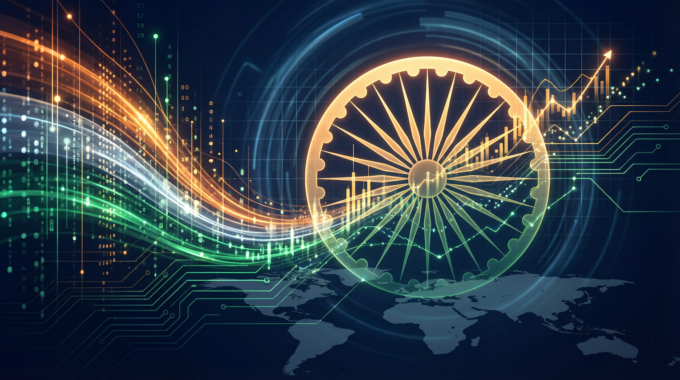
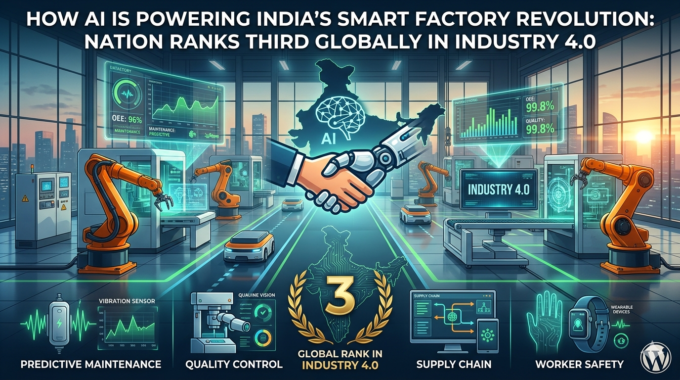
India is positioning itself at the intersection of manufacturing, services, and digital infrastructure.
This is not accidental.
Why This Shift Is Happening Now
Three global shocks accelerated everything:
- COVID
Exposed fragile supply chains.
- Ukraine War
Rewired energy and logistics routes.
- AI Boom
Changed how value is created.
Governments realised they could no longer depend on single suppliers or single currencies.
Businesses realised resilience mattered more than cost.
The result?
Decentralisation.
Factories are moving.
Trade routes are changing.
Currency systems are diversifying.
The world is becoming multipolar.
Where India Fits Into This New Order
India offers something rare:
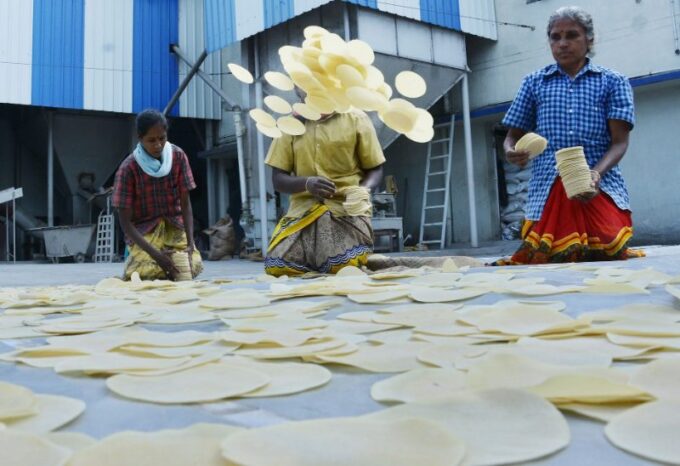
- Massive workforce
- Growing manufacturing capacity
- Strong digital infrastructure
- Stable political environment
- Expanding export ambitions
India doesn’t dominate finance like the US.
It doesn’t dominate manufacturing like China.
But it sits uniquely between both.
That positioning matters.
If India executes well over the next decade, it could become:
- A global production hub
- A services backbone
- A digital payments exporter
- A neutral trade partner
That’s not just economic growth.
That’s geopolitical relevance.
What This Means Emerging Young Builders
This shift won’t be taught in textbooks yet.
But it will define careers.
Jobs will follow supply chains.
Wealth will follow infrastructure.
Opportunity will follow production hubs.
The next generation won’t win by chasing titles.
They’ll win by understanding systems.
Logistics.
Trade.
Manufacturing.
Finance.
Technology.
These are the new power centers.
The Quiet Truth
Empires no longer fall loudly.
They fade slowly.
And new ones don’t announce themselves.
They build quietly.
In factories.
In codebases.
In payment rails.
In shipping corridors.
Final Thought
The world is not moving toward chaos.
It’s moving toward redistribution.
Power is leaving old centres and forming new ones.
Those who understand this early won’t just adapt.
They’ll lead.
And for the first time in generations, countries like India are not watching history happen.
They are shaping it.







Leave a comment