

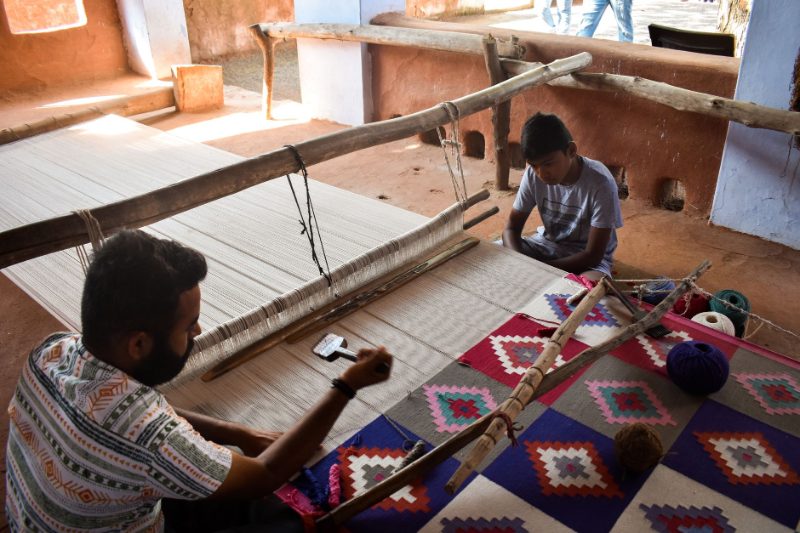
Union Textiles Minister Giriraj Singh inaugurated the Centre of Excellence for Handloom Technology at IIT Delhi on August 3, 2026, backed by a government investment of US$1.28 million. The centre is designed to bring digital technologies, product innovation and sustainability practices to India’s handloom sector, which supports millions of weavers across the country.
The announcement was made at IIT Delhi in the presence of ministry officials and academic leadership, positioning one of India’s premier engineering institutes as a formal research partner for the handloom industry. The move follows the government’s broader push, including the Bharat Tex initiative launched earlier in 2026, to modernise India’s textile value chain from fibre to finished fabric.
Why Is the Government Investing in Handloom Technology at IIT Delhi?
India’s handloom sector remains largely artisanal, with weavers often lacking access to design tools, quality-testing infrastructure and digital market linkages that organised textile manufacturers take for granted. By anchoring the Centre of Excellence at IIT Delhi, the Ministry of Textiles aims to apply engineering research, automation and digital design capabilities to a sector that contributes to rural livelihoods but has struggled to compete with power-loom and mill-made fabric on cost and speed.
What Does This Mean for India’s Textile Industry?
The initiative arrives as India’s broader textile and apparel industry enters 2026 with cautious optimism after a difficult 2025 marked by elevated US tariffs and supply-chain disruption. While large exporters such as Vardhman Textiles, Welspun and Trident operate at industrial scale, the handloom segment sits at the opposite end of the value chain, and government-backed technology transfer could help small-scale weaving clusters access design and export markets that were previously out of reach.
Market Reaction and Industry Response
The textiles ministry framed the centre as part of a wider strategy to weave sustainability and innovation into India’s handloom future, aligning with its target for the textiles and apparel industry to grow at a 10% CAGR through 2030. Industry bodies tracking the handloom sector are expected to watch how quickly the IIT Delhi centre translates research into tools weavers can actually use on the ground.
What Happens Next?
IIT Delhi and the Ministry of Textiles are expected to detail a roadmap for the centre’s research priorities, including digital design tools and sustainable dyeing and weaving techniques, in the coming months. The initiative will be watched alongside other 2026 textile policy moves, including cotton import duty relief and tariff negotiations, as part of the government’s broader push to strengthen the sector’s competitiveness.
Frequently Asked Questions
What is the Centre of Excellence for Handloom Technology?
It is a new research centre established at IIT Delhi with a US$1.28 million government investment, aimed at bringing digital technology, product innovation and sustainability practices to India’s handloom weaving sector.
Who inaugurated the handloom technology centre?
Union Textiles Minister Giriraj Singh inaugurated the centre at IIT Delhi on August 3, 2026.
How will the centre help India’s handloom weavers?
The centre is expected to give handloom weavers access to engineering research, digital design tools and quality improvements that could help small-scale weaving clusters compete more effectively and reach new markets.








Leave a comment