

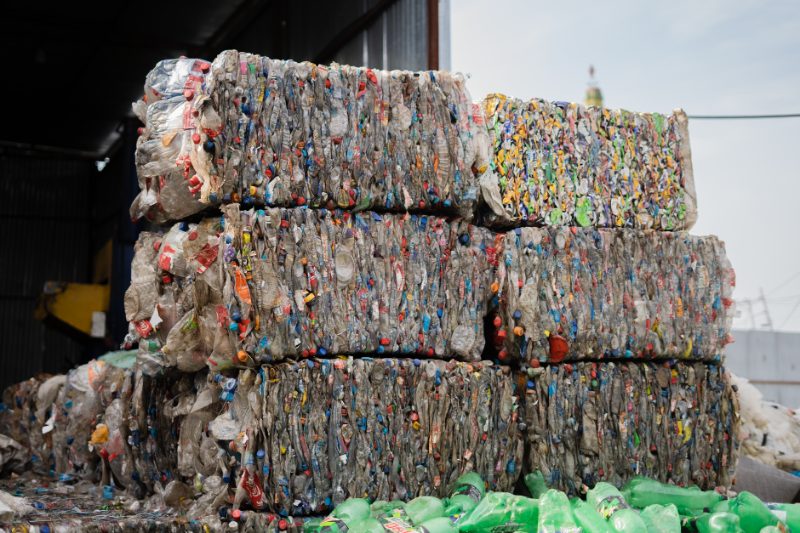
The 3rd Global Conclave on Plastics Recycling and Sustainability, held July 2–5, 2026 at Bharat Mandapam in New Delhi, concluded with a clear industry consensus: India’s plastics recycling ecosystem must scale rapidly to meet Extended Producer Responsibility (EPR) mandates and prepare for the UN Global Plastics Treaty obligations. Jointly organised by the All India Plastics Manufacturers’ Association (AIPMA) and the Chemicals and Petrochemicals Manufacturers’ Association (CPMA), the India plastics recycling conclave brought together manufacturers, recyclers, policy makers, and technology providers from across the globe.
The four-day event also saw the launch of a comprehensive Plastics Recycling Handbook by the Plastics Packaging Resource Development Centre (PPRDC), designed to guide manufacturers and recyclers on best practices for EPR compliance, collection infrastructure, and material recovery frameworks.
What Were the Key Outcomes of the Plastics Recycling Conclave?
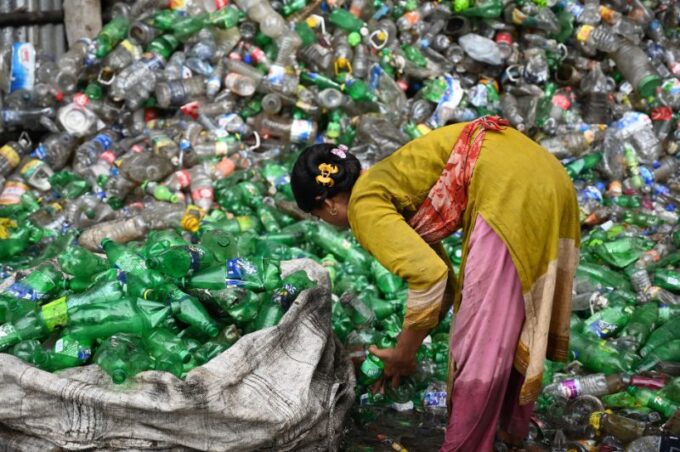
Three major themes dominated the 2026 conclave. First, EPR compliance gaps: India’s mandatory EPR framework for plastic packaging (under the Plastic Waste Management Rules) is showing compliance gaps among small and medium producers, with informal recycling accounting for an estimated 60–70% of actual plastic waste processed. Second, technology transfer: international delegates presented advanced mechanical and chemical recycling technologies — including pyrolysis-to-fuel and depolymerisation processes — that could unlock higher-value recyclate streams for Indian processors. Third, infrastructure investment: India currently processes roughly 4 million tonnes of plastic waste annually against generation of over 10 million tonnes, leaving a significant gap that requires investments in formal collection, sorting, and processing infrastructure across Tier 2 and Tier 3 cities.
Why Is India’s Plastics Recycling Sector Gaining Urgency?
India is signatory to the UN Global Plastics Treaty negotiations, which are expected to impose binding obligations on plastic production and waste management by 2027–2028. Domestically, the government’s Plastic Waste Management Rules already mandate EPR registration and recycled content targets for brand owners and producers. The AIPMA estimates that India’s formal recycling capacity needs to triple from current levels — requiring an investment of approximately ₹15,000–20,000 crore over the next five years — to meet regulatory and market demands. Additionally, global brands sourcing from India are increasingly requiring suppliers to demonstrate recycled content and circular economy credentials, making compliance a trade competitiveness issue, not just a regulatory one.
Market Reaction and Industry Response
Industry stakeholders at the conclave called for government support in the form of GST rationalisation on recycled plastic products, priority lending for recycling plant capex, and dedicated recycling industrial parks. Representatives from Supreme Industries, Finolex, and packaging majors attended, alongside global recycling technology firms from Germany, Japan, and South Korea. The CPMA has proposed a Plastic Waste Management Fund — financed through EPR fees — to subsidise collection infrastructure in underserved geographies.
What Happens Next?
The AIPMA and CPMA are expected to submit the conclave’s policy recommendations to the Ministry of Chemicals and Petrochemicals and the Ministry of Environment by the end of July 2026. The next edition of the conclave is being planned for 2027, with a specific focus on chemical recycling technologies and India’s readiness for international circular economy standards. Brand owners and plastic producers should use the interim period to ensure EPR registrations are current, collection targets are being tracked, and recycled content sourcing plans are in place ahead of upcoming compliance reviews.
Frequently Asked Questions
What is India’s EPR mandate for plastics?
Under India’s Plastic Waste Management Rules, brand owners, importers, and producers of plastic packaging are required to register under the Extended Producer Responsibility (EPR) framework and meet annual recycled content and collection targets. Non-compliance carries penalties including suspension of operating licences.
How much plastic waste does India generate and recycle?
India generates over 10 million tonnes of plastic waste annually but formally processes only around 4 million tonnes. The remaining waste is handled through informal recycling channels or ends up in landfills and water bodies, representing a significant gap the recycling industry must close.
What is the UN Global Plastics Treaty and how does it affect India?
The UN Global Plastics Treaty, expected to be finalised by 2027–2028, will impose internationally binding obligations on plastic production levels, design for recyclability, and waste management standards. As a signatory to negotiations, India will need to align its national plastic waste framework with these commitments.









Leave a comment