

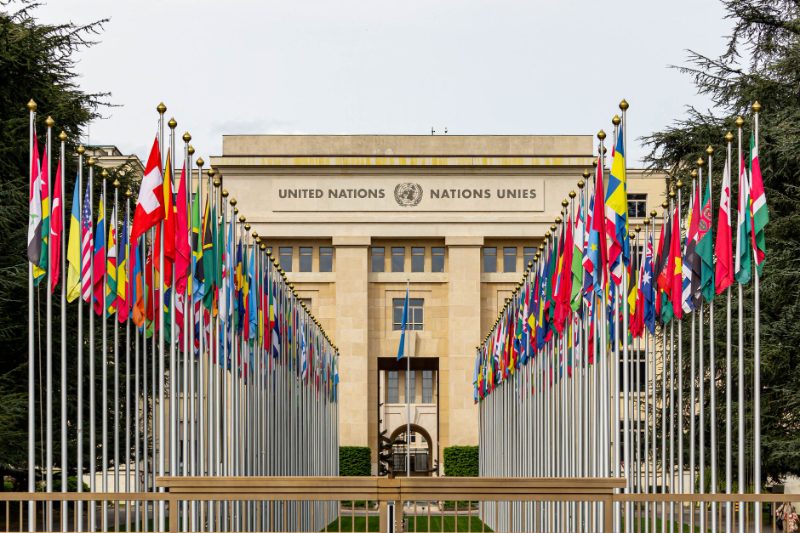
India’s growing economic weight is drawing sharper scrutiny of its trade policy at the World Trade Organisation, with 68 member countries participating in India’s eighth WTO Trade Policy Review held in July 2026 and fresh commentary through mid-September highlighting how India’s import demand and domestic policy choices are now having consequences well beyond its own borders. At the review, India received 1,094 written questions from 44 WTO members, an unusually high volume that reflects the scale of interest in India’s regulatory approach.
China, Indonesia and Brazil were among the members that flagged specific concerns, including trade barriers, industrial subsidies, quality-control orders (QCOs), tariff levels and agricultural support programmes. India’s Ministry of Commerce defended its position, arguing that its agricultural tariff structure protects the livelihoods of millions of small, low-income and resource-poor farmers, while its Quality Control Orders serve legitimate public policy and safety objectives rather than acting as disguised protectionism.
Why Are India’s Quality Control Orders Facing Global Pushback?
QCOs mandate that certain imported and domestically produced goods meet Indian quality standards before sale, and India has expanded their use significantly across steel, chemicals, electronics and toy imports in recent years. Trading partners argue that the rapid expansion of QCOs, often introduced with limited transition time, functions as a non-tariff barrier that raises compliance costs for exporters, particularly from countries without equivalent certification infrastructure already recognised by Indian regulators.
What Does This Mean for Indian Manufacturers and Importers?
Domestic manufacturers in sectors covered by QCOs, including steel and electronics components, benefit from reduced competition from lower-cost, lower-certified imports, supporting the government’s broader Make in India and self-reliance objectives. Importers and downstream industries that rely on globally sourced inputs face higher compliance costs and potential supply delays as certification requirements tighten, a trade-off that WTO members are now formally documenting in the review process.
What Do Trade Analysts and Officials Say?
Trade economists tracking the review note that India’s expanding market size, now among the world’s largest consumer bases, gives it more room to set independent regulatory standards than smaller economies typically have, even as this invites more international scrutiny. Indian officials have maintained that domestic standard-setting is a sovereign right consistent with WTO rules, pointing out that developed economies maintain their own extensive technical and sanitary regulations on imports.
Market and Trade Reaction
Export-dependent sectors in China, Indonesia and Brazil that face India’s QCOs have lobbied their governments to raise the issue multilaterally rather than through bilateral channels, given India’s size as an export destination. Indian industry associations, including those representing steel and electronics manufacturers, have publicly supported the government’s QCO stance, framing it as essential to preventing dumping of substandard goods into the Indian market.
What Happens Next?
WTO trade policy reviews do not produce binding rulings, but the written questions and India’s responses become part of the formal record that trading partners can reference in future bilateral negotiations or, in more contentious cases, formal WTO dispute proceedings. Commerce Ministry officials are expected to continue bilateral consultations with major trading partners on QCO recognition and mutual conformity assessment arrangements in the coming months.
Frequently Asked Questions
What is a WTO Trade Policy Review?
It is a periodic, non-binding examination of a member country’s trade policies by other WTO members, allowing them to raise concerns and seek clarifications. India’s eighth review took place in July 2026 with 68 participating members.
Why are other countries concerned about India’s QCOs?
Quality Control Orders require imported goods to meet Indian certification standards, and trading partners argue their rapid expansion raises compliance costs and can act as a non-tariff trade barrier.
How does India defend its trade policy stance?
India argues its agricultural tariffs protect small farmers’ livelihoods and its QCOs serve legitimate quality and safety objectives, consistent with its rights as a sovereign WTO member.







Leave a comment