

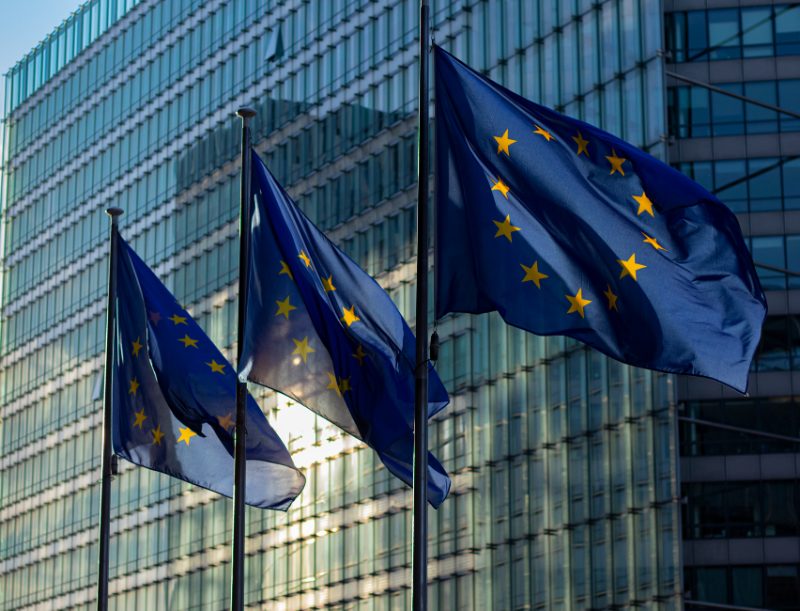
The European Commission has formally submitted its proposal to the Council of the European Union seeking authorisation to sign the India-EU Free Trade Agreement, moving the deal concluded in January 2026 toward its final ratification stage in September 2026. The pact creates the world’s largest free trade zone, covering roughly two billion people and nearly 25% of global GDP, with tariffs eliminated or reduced on 96.6% of EU goods exports to India.
Once the Council authorises signature, the agreement advances to formal signing and then to consideration by the European Parliament before it can enter into force. The European Commission estimates the deal will save EU exporters up to €4 billion a year in duties on goods sold into India, while Indian exporters gain preferential access to a market of roughly 450 million consumers across the EU’s 27 member states.
What Does the India-EU FTA Change for Exporters?
Indian exporters in textiles, leather, pharmaceuticals, engineering goods and marine products stand to gain the most from tariff elimination, since these sectors currently face EU duties ranging from 4% to 12% depending on the product category. On the European side, automobiles, wines and spirits, dairy and certain agricultural products get phased tariff reductions into the Indian market, an area India has historically protected with higher duties.
Why Is the Council Authorisation Step Significant?
Trade agreements negotiated by the European Commission require Council authorisation before signature because EU member states must sign off on the terms collectively, given the deal’s scale and its implications for domestic industries across all 27 countries. Analysts tracking the process note that comprehensive FTAs of this size have previously taken months to move from Council authorisation to full ratification, meaning the India-EU deal’s actual entry into force could extend into 2027 even after signature.
What Do Industry Bodies Say?
Indian trade bodies including FIEO have welcomed the Council’s move as a signal that the “mother of all trade deals,” as it has been described by officials on both sides, is on track after nearly two decades of on-and-off negotiations that began in 2007. Exporters’ associations are urging the Commerce Ministry to prepare sector-specific transition support, particularly for MSME exporters who may need to meet new EU regulatory and sustainability compliance standards attached to the deal.
Market and Trade Reaction
Export-oriented stocks in textiles, pharmaceuticals and auto components saw renewed analyst attention following the Commission’s Council submission, with brokerages flagging the FTA as a multi-year tailwind rather than an immediate earnings driver, given the ratification timeline still ahead. Currency and trade desks note that a finalised EU deal, layered on top of the India-US trade framework agreed earlier in 2026, would give Indian exporters preferential access to two of the world’s three largest consumer markets simultaneously.
What Happens Next?
The Council of the European Union is expected to take up the Commission’s authorisation request in the coming weeks, after which a formal signing ceremony would be scheduled. The European Parliament’s ratification vote, along with any required approvals from EU member state legislatures for the agreement’s mixed-competence provisions, will determine the final timeline for entry into force.
Frequently Asked Questions
What is the current status of the India-EU FTA?
Negotiations concluded in January 2026. In September 2026, the European Commission submitted a proposal to the EU Council seeking authorisation to sign the agreement, the next formal step before ratification.
How large is the India-EU trade deal?
It creates the world’s largest free trade zone, covering about two billion people and nearly 25% of global GDP, with tariffs eliminated or reduced on 96.6% of EU goods exports to India.
Which Indian sectors benefit most from the FTA?
Textiles, leather goods, pharmaceuticals, engineering goods and marine products are expected to see the largest tariff reductions on entry into the EU market.









Leave a comment