

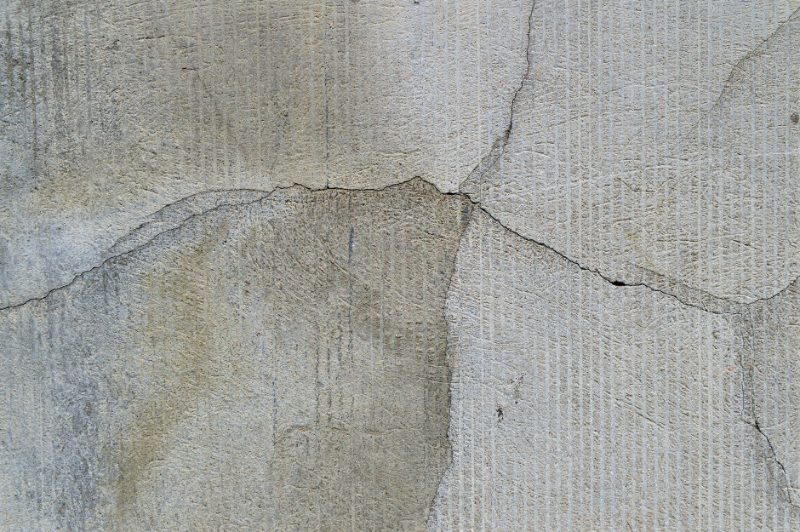
Formulations achieving 400–600% elongation-at-break prevent cracking at tropical concrete movement joints.
The mismatch between tropical concrete’s diurnal thermal movement — often 2–3mm across a building elevation panel — and conventional exterior coating elongation properties (typically 50–150% for standard elastomeric systems) is a primary driver of crack formation in the first 3–5 years of service. New high-elasticity acrylic formulations achieving 400–600% elongation-at-break while maintaining adhesion and UV resistance represent a step-change in exterior coating performance for concrete and masonry substrates.
These ultra-elastomeric systems are based on core-shell acrylic polymer architectures — soft rubbery cores with hard protective shells — that provide extreme elongation without sacrificing the surface hardness required for dirt resistance and film integrity. Asian Paints’ Apex Duracast and Berger’s Weathercoat Super Smooth products incorporate elastomeric technology; the next generation targets 400%+ elongation with improved stain resistance.
Industry Implications and Market Context
High-elasticity coatings command 25–35% price premiums in the premium exterior coating category and are growing at approximately 1.5× the rate of the broader exterior coating market as builders specify performance assurance products for extended warranties.
What Happens Next?
Watch for major Indian manufacturers launching next-generation ultra-elastomeric exterior systems in 2026, competing on elongation and crack-bridging specifications rather than merely finish quality.
Frequently Asked Questions
What causes exterior paint to crack on Indian buildings?
The primary driver is thermal movement of the concrete or masonry substrate — surfaces expand and contract by 2–3mm daily in tropical climates. Standard paints with low elongation cannot accommodate this movement and crack. Elastomeric coatings with high elongation bridge the movement without cracking.
How long do high-elasticity exterior coatings last in Indian climates?
Well-specified elastomeric exterior coatings in Indian conditions typically deliver 8–12 years of crack-free service on properly prepared concrete substrates — compared to 3–5 years for standard exterior emulsions on the same substrate.
Where can I find more information?
ASTM D412 and ASTM C719 govern elastomeric coating performance testing. The Indian Paint Association (IPA) and BIS IS 15489 cover exterior coating specifications relevant to Indian markets.









Leave a comment