

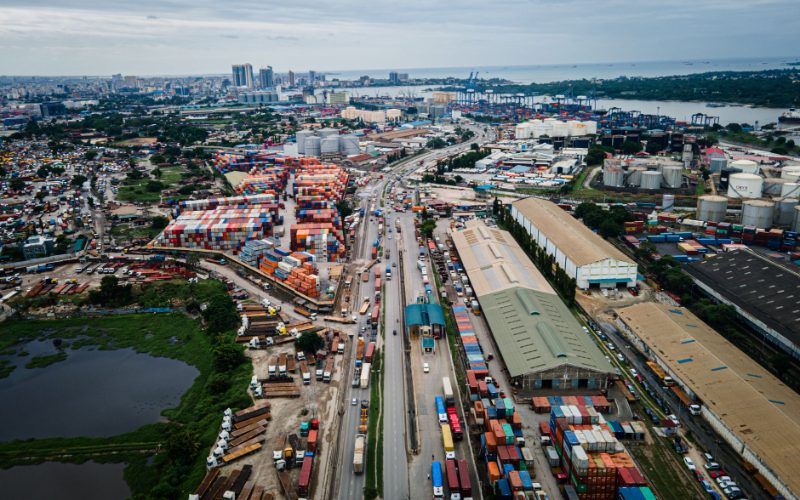
India container shipping delays are worsening this week as congestion at the Singapore and Colombo transshipment hubs collides with a surge in China-US container traffic, leaving exporters in Chennai, Cochin and Tuticorin waiting far longer than usual for vessel space. Containers that normally reach Chennai from Port Klang in three to four days are now stuck in Singapore for 15 to 20 days, industry sources say, driving up freight costs and disrupting shipment schedules just as global trade lanes reshuffle around the ongoing Middle East conflict.
The disruption, first reported by Maritime Gateway on August 10, 2026 and updated August 11, stems from a shortage of feeder vessels linking Indian ports to Singapore and Colombo, the two hubs through which the bulk of India’s containerised exports are trans-shipped onward to global markets. A Chennai-based packaging exporter said carriers have been unable to secure feeder capacity from Port Klang in Malaysia, forcing cargo to detour through an already congested Singapore. The bottleneck comes as Jebel Ali, the busiest container port in West Asia and operated by DP World, remains offline in the wake of the Iran conflict escalation, removing another regional relief valve for stranded cargo.
How Are India Container Shipping Delays Affecting Exporters?
Exporters across Chennai, Cochin and Tuticorin are bearing the brunt of the disruption, with transit times stretching and freight rates changing “on a daily basis,” according to a Kerala-based food products exporter quoted by Maritime Gateway. Traders say global shipping lines are declining bookings citing container shortages, confirming vessel space only about a month in advance, while spot bookings are accepted with no guarantee that containers will actually be loaded onto a specific vessel. On top of this, liners have begun levying a container imbalance fee, adding to landed costs for MSME exporters already operating on thin margins in sectors such as packaging, food processing and textiles.
What Do Shipping Lines and Industry Bodies Say?
Sunil Vaswani, Executive Director of the Container Shipping Lines Association (CSLA), pushed back on claims of an outright container shortage, attributing the delays instead to congestion at the transshipment ports of Singapore and Colombo rather than a lack of equipment. Exporters on the ground describe a different reality, citing unpredictable booking confirmations and rising surcharges. The divergence underscores how the India container shipping delays are being felt unevenly across the supply chain: carriers point to structural port congestion, while shippers report a de facto capacity squeeze that is inflating costs regardless of its technical cause.
Market and Trade Reaction
The clearest market signal is in freight rates. According to maritime research consultancy Drewry, the cost of shipping a 40-foot container from Shanghai to Los Angeles jumped 133% year-on-year to $5,894 last week, while Shanghai-to-New York rates rose 106% to $7,893 over the same period. The spike is being driven in part by a surge in China-US trade, with China’s exports to the US growing around 17% year-on-year in July and imports rising 15%, pulling container capacity toward the trans-Pacific route and away from Asia-India lanes. That capacity drain, layered on top of Singapore and Colombo congestion, is the immediate trigger behind the India container shipping delays now rippling through Indian ports.
What Happens Next?
Industry sources expect congestion at Singapore and Colombo to persist as long as feeder vessel shortages and elevated trans-Pacific demand continue, with no confirmed timeline for normalisation. Exporters are being advised to monitor booking confirmations closely and factor in longer lead times, particularly for shipments routed through Chennai, Cochin and Tuticorin. A resumption of full operations at Jebel Ali, still offline since the Iran conflict escalation, would ease some regional pressure by restoring an alternative transshipment route for West Asia-bound and onward cargo. Trade watchers will also track whether the Drewry freight index eases from its current highs in the coming weeks as a sign of whether conditions are stabilising or deepening further.
Frequently Asked Questions
Why are Indian exporters facing container shipping delays in August 2026?
A shortage of feeder vessels connecting Indian ports to the Singapore and Colombo transshipment hubs, combined with a surge in China-US container traffic, has created a capacity squeeze. Containers are now waiting 15 to 20 days in Singapore compared with the usual three to four days for cargo reaching Chennai from Port Klang.
Which Indian ports are most affected by the congestion?
Chennai, Cochin and Tuticorin are reporting the most acute bottlenecks, though exporters say freight rates and transit times are becoming unpredictable across all three gateways. Bookings are being confirmed only around a month in advance.
Are shipping lines confirming a container shortage?
Not officially. Sunil Vaswani of the Container Shipping Lines Association attributes the delays to port congestion rather than equipment shortages, but exporters report declined bookings and a new container imbalance fee, suggesting a real capacity crunch on the ground regardless of the technical explanation.








Leave a comment