

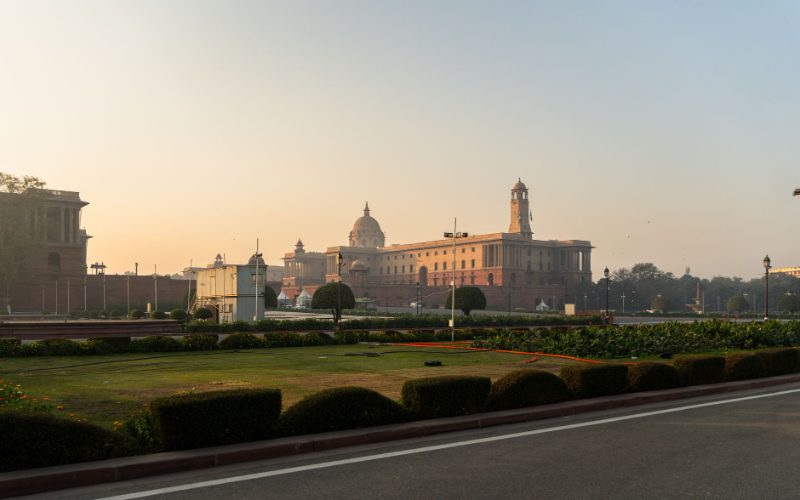
India’s Monsoon Session of Parliament 2026 begins on July 20 and runs through August 13, covering 19 sittings where the government plans to introduce major constitutional amendments. The India Monsoon Session 2026 agenda is dominated by the Delimitation Bill, Women’s Reservation Act amendments, and the One Nation One Election legislation, making it one of the most consequential parliamentary sessions in recent memory.
The session was officially announced by the Union Parliamentary Affairs Minister, with the government planning to operationalise 33% women’s reservation quota by increasing Lok Sabha seats to 850. The BJP-led National Democratic Alliance (NDA) has been working to secure a two-thirds majority needed for constitutional amendments following political realignments in the opposition.
What Are the Key Bills in India Monsoon Session 2026?
The legislative agenda for the Monsoon Session 2026 includes five major bills. The 131st Constitutional Amendment Bill proposes increasing Lok Sabha strength to 850 seats while operationalising the Women’s Reservation Act (33% quota for women). The Delimitation Bill is set to be reintroduced after previously failing to clear a two-thirds Lok Sabha majority. The PM-CMs Jail Bill (130th Amendment) would mandate that any Union or State Minister — including the Prime Minister or Chief Ministers — automatically ceases to hold office if held in custody for 31 consecutive days. Additional legislation includes the Securities Market Code, Viksit Bharat Shiksha Adhishthan, anti-doping reforms, and corporate law amendments.
What Do Legal Experts and Opposition Leaders Say?
Legal experts note that constitutional amendment bills require a two-thirds majority in both Houses and ratification by at least half of the state legislatures, making the NDA’s strengthened coalition position crucial. The opposition INDIA bloc is expected to raise issues including the India-Pakistan military situation post-Operation Sindoor, economic grievances, and procedural objections to delimitation. Several southern states have signalled concern that delimitation based on updated census data could reduce their parliamentary representation by 8–12 seats despite their stronger economic contributions.
Market and Trade Reaction
Financial markets have broadly welcomed the prospect of parliamentary activity proceeding smoothly. The Securities Market Code, if passed, could consolidate SEBI’s regulatory framework and improve investor confidence in equity markets. Analysts at CRISIL estimate that a modernised corporate law framework could reduce compliance costs for Indian businesses by 12–15%. The Women’s Reservation amendment, though transformational, is not expected to have immediate fiscal impact but could attract ESG-focused international institutional investors over the medium term.
What Happens Next?
Parliament convenes on July 20, 2026, with 24 bills listed for potential passage. Constitutional amendment bills will require cross-party negotiations and may be referred to Joint Parliamentary Committees (JPCs) for scrutiny. The JPC report on the 131st Constitutional Amendment is expected before the session concludes on August 13. If the Delimitation Bill passes, a Delimitation Commission must be constituted within 30 days to begin redrawing constituency boundaries ahead of the next general election cycle.
Frequently Asked Questions
When does India’s Monsoon Session 2026 begin and end?
India’s Monsoon Session of Parliament 2026 is scheduled from July 20 to August 13, 2026, with 19 planned sittings across both Lok Sabha and Rajya Sabha.
What is the Delimitation Bill 2026?
The Delimitation Bill 2026 proposes redrawing parliamentary constituency boundaries based on updated census data. It is a constitutional amendment requiring a two-thirds majority and has been politically contentious, particularly for southern states concerned about losing seats due to lower population growth relative to northern states.
What is One Nation One Election and will it pass in Monsoon Session 2026?
One Nation One Election proposes synchronising Lok Sabha and all state assembly elections into a single simultaneous cycle to reduce governance disruption and election expenditure, estimated at over ₹10,000 crore per election cycle. The bill requires constitutional amendments and is expected to face significant opposition, though the NDA’s strengthened coalition improves its prospects compared to the previous session.










Leave a comment