

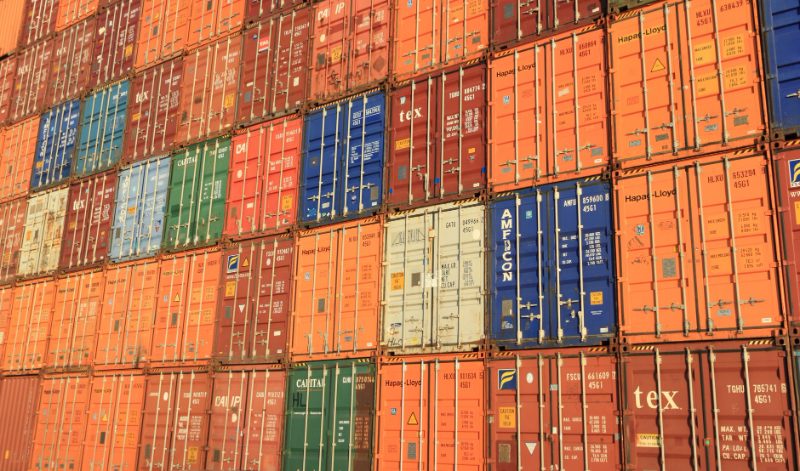
India’s paint and coatings imports touched $219 million in the first half of FY2026, more than three times the $61 million worth of exports shipped out in the same period, official trade data shows. The paint imports India 2026 trend highlights a widening dependence on foreign specialty resins, pigments and additives even as domestic manufacturing capacity expands rapidly.
The gap comes at a time when India’s overall paints and coatings market, valued at roughly $9.6 billion, is being pushed toward water-based and low-VOC formulations by tightening rules from the Bureau of Indian Standards (BIS) and the Central Pollution Control Board (CPCB). Many of the high-performance resins and specialty pigments needed for these new formulations are still largely sourced from Europe, China and Southeast Asia, which is inflating the import bill even as local players like Asian Paints, Berger Paints, Kansai Nerolac and Indigo Paints ramp up capacity.
Why Is India Importing More Paint Materials Than It Exports?
Indian formulators are shifting quickly toward water-borne and low-VOC chemistries to meet new BIS and CPCB standards, but the specialty resins, coalescing agents and high-grade titanium dioxide these formulations require are not yet produced domestically at scale. That forces manufacturers to import at a premium, widening the trade gap even as India’s own paint production volumes grow. Industry executives speaking at the Paint India 2026 exhibition in Mumbai flagged raw material self-sufficiency as one of the sector’s top medium-term priorities.
What Does the Trade Gap Mean for India’s Coatings Sector?
A persistent import dependence raises input costs for domestic paint makers and exposes them to currency and global supply shocks, at a time when the industry is already navigating FY25 margin stress, according to Rubix Data Sciences. On the flip side, it also signals a clear investment opportunity: companies that localise specialty resin and pigment production stand to capture margin currently flowing to overseas suppliers, particularly as India’s paint capacity is projected to nearly double by FY2027.
Market Reaction and Industry Response
Trade bodies and manufacturers at Paint India 2026 broadly welcomed the push toward sustainable, low-VOC coatings but called for faster approvals and incentives for domestic specialty chemical capacity to narrow the import bill. Some coatings majors, including multinational suppliers showcasing at the exhibition, indicated plans to localise select resin production lines in India over the next two to three years to serve the growing architectural and industrial coatings segments.
What Happens Next for India’s Paint Trade Balance?
Watch full-year FY26 trade figures, due later this fiscal year, for confirmation of whether the import-export gap widens further or starts narrowing as new domestic capacity comes online. Any announcements of new specialty resin or pigment plants in India over the next few quarters would be an early signal that the sector is moving to close this gap.
Frequently Asked Questions
How large is India’s paint trade deficit right now?
India imported $219 million worth of paints and coatings materials in H1 FY2026, compared to $61 million in exports — a gap of roughly $158 million in just six months.
Why can’t India produce more specialty paint chemicals domestically?
Many high-performance resins, coalescing agents and specialty pigments required for water-based, low-VOC formulations are not yet manufactured at scale in India, forcing companies to rely on imports from Europe, China and Southeast Asia.
How are BIS and CPCB rules affecting the paints industry?
Tightened volatile organic compound (VOC) limits are pushing manufacturers toward water-borne chemistries, which improves environmental compliance but currently increases reliance on imported specialty raw materials.












Leave a comment