

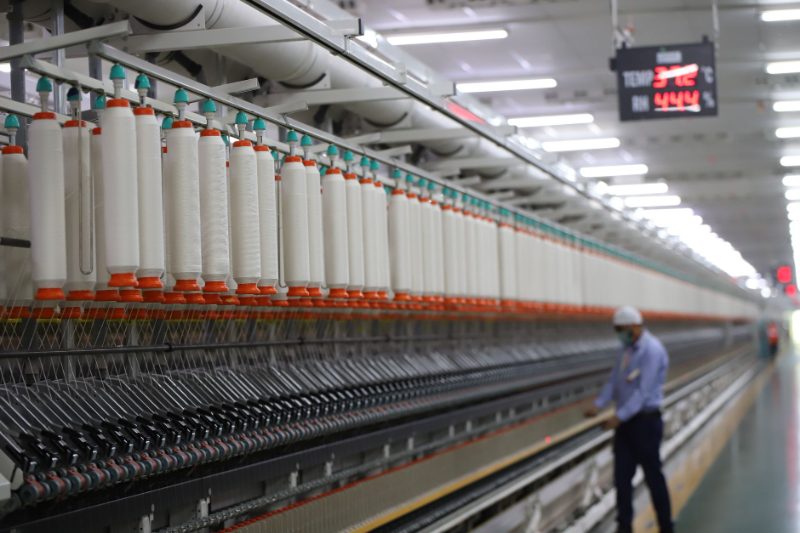
India’s paper industry growth is expected to hold at 5-7% in FY26, even as production costs have climbed an estimated 20-30% over the past year, squeezing margins across mills large and small. The sector sits at an inflection point, balancing steady demand from packaging and FMCG buyers against a sharp rise in input and logistics costs.
According to a report by The Pulp and Paper Times published in mid-to-late July 2026, India’s paper and paperboard makers are adding roughly 1.8-2.2 million tonnes of fresh capacity, expanding output by 6-8% through FY26-FY27, with peak commissioning of new lines expected around early 2027. Companies leading this expansion include Tamil Nadu Newsprint and Papers Limited (TNPL), which is building a new tissue paper project, Andhra Paper, which is also investing in tissue capacity, and Kuantum Papers, which is pursuing a brownfield expansion at its existing facility. Together, these projects signal renewed confidence in India’s long-term paper demand even as short-term cost pressures bite.
Why Is India Paper Industry Growth Holding at 5-7% Despite Rising Costs?
Demand for paper and paperboard in India is being sustained mainly by packaging needs, not traditional writing and printing paper. Packaging paper and paperboard volumes are growing in the high single to low double digits, far outpacing other grades, as FMCG companies, pharmaceutical manufacturers, food delivery platforms and e-commerce retailers all lean on cartons, corrugated boxes and specialty packaging to move goods. This packaging-led demand is largely what keeps overall industry growth in the 5-7% band despite a 20-30% jump in production costs tied to fuel, chemicals and freight. Mills that have diversified toward packaging board are reporting steadier order books than those still dependent on writing and printing paper, where demand has stayed largely flat.
How Are Geopolitical Tensions Affecting India’s Paper Supply Chain?
The escalation of the US-Iran conflict in early 2026 has added a new layer of volatility to global trade routes that Indian paper mills depend on for pulp, waste paper and machinery imports. Disruptions across the Red Sea and the Strait of Hormuz have lengthened shipping times and pushed up freight and insurance costs, sustaining pressure on the same supply chains that already faced strain from a surge of low-cost paper imports from China and ASEAN countries. That import wave has, in some grades, turned India into a net importer, undercutting domestic mills on price even as their own costs rise. For mills that import pulp or recovered fibre, longer transit times and costlier insurance premiums compound an already difficult cost environment.
Market Reaction and Industry Response
Paper manufacturers and industry bodies have responded by accelerating capacity additions in the segments with the strongest demand outlook, particularly tissue and packaging board, rather than expanding writing and printing paper lines. TNPL’s and Andhra Paper’s tissue investments reflect a broader industry bet that hygiene and household tissue demand will keep climbing as urban consumption rises. At the same time, mills are lobbying for measures to address the import surge from China and ASEAN, arguing that cheaper overseas paper is distorting domestic pricing and putting Indian capacity expansion plans at risk before new lines even come online. Trade associations have flagged the need for closer monitoring of import volumes as capacity additions ramp up over the next two years.
What Happens Next?
The next 18 months will be a test of whether India’s paper industry growth can outpace the cost pressures building around it. Peak commissioning of the new 1.8-2.2 million tonnes of capacity is expected around early 2027, which will determine whether packaging paper and paperboard supply keeps up with FMCG, pharma and e-commerce demand or whether oversupply pushes prices lower still. Mills, trade bodies and buyers will also be watching how long the Red Sea and Strait of Hormuz disruptions persist, since further escalation could push freight and raw material costs even higher, while any resolution could ease the cost side of the equation considerably. Import volumes from China and ASEAN will remain a key variable to track through the rest of FY26.
Frequently Asked Questions
What is the expected paper demand growth in India for FY26?
India’s paper industry growth is projected at 5-7% for FY26, driven mainly by packaging paper and paperboard demand from FMCG, pharmaceutical, food delivery and e-commerce sectors, even as production costs have risen 20-30%.
How much new paper manufacturing capacity is India adding?
India is expected to add roughly 1.8-2.2 million tonnes of new paper and paperboard capacity, growing output by 6-8% over FY26-FY27, with peak commissioning of new plants expected around early 2027. TNPL, Andhra Paper and Kuantum Papers are among the companies leading this expansion.
Why has India become a net importer of some paper grades?
A surge of low-cost paper imports from China and ASEAN countries has created oversupply pressure in the Indian market, pushing India into net-importer status for certain grades and putting downward pressure on domestic mill pricing, even as demand for packaging grades remains strong.











Leave a comment