

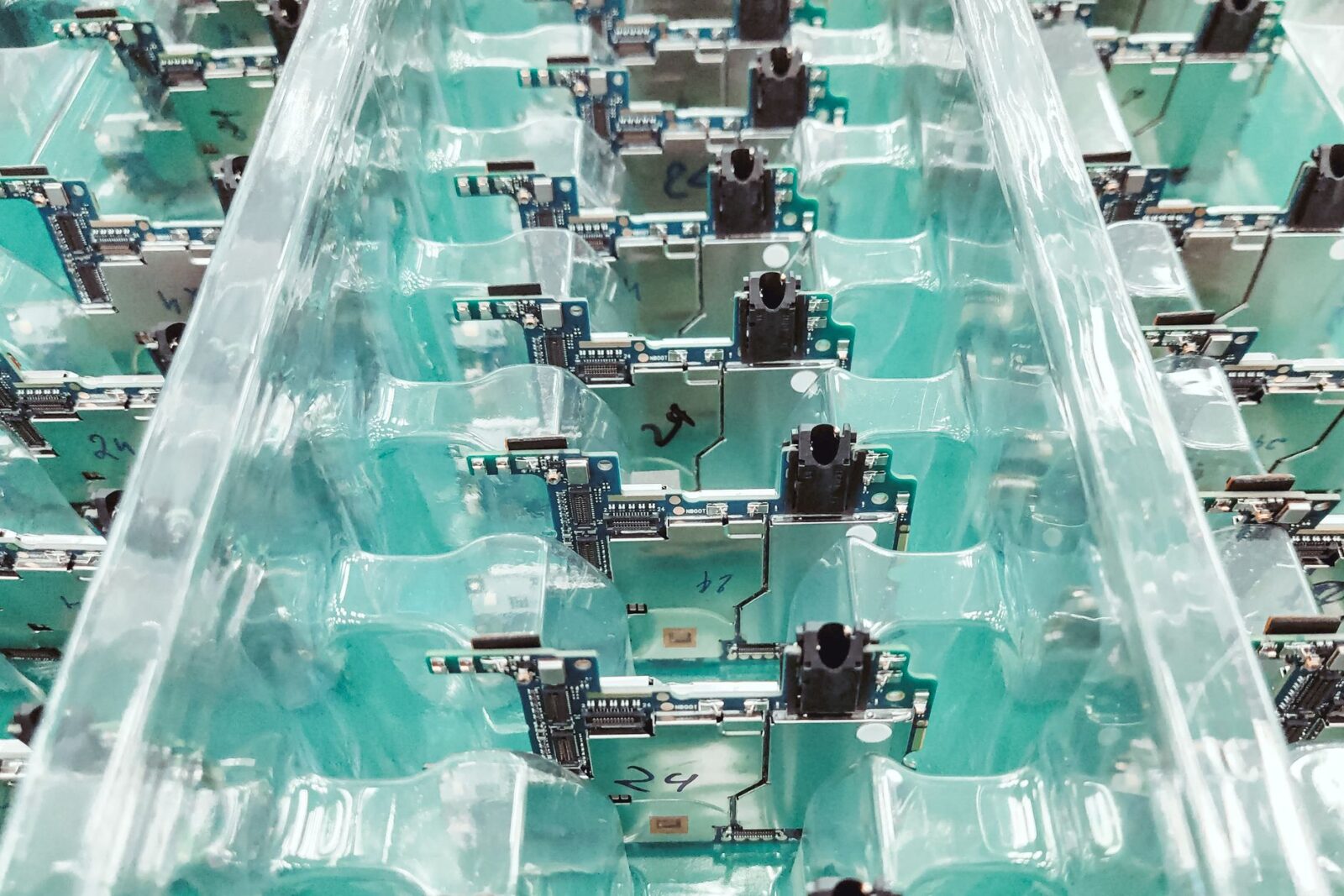
India’s semiconductor industry reached a historic milestone on July 4, 2026, when Prime Minister Narendra Modi inaugurated the CG Semi OSAT (Outsourced Semiconductor Assembly and Test) facility in Sanand, Gujarat — a ₹7,600 crore investment backed by a joint venture between CG Power, Japan’s Renesas Electronics America, and Thailand’s Stars Microelectronics. The India semiconductor plant is the country’s third major chip facility to go operational in 2026, signalling the rapid momentum behind India’s semiconductor self-reliance mission.
Located in Sanand’s fast-growing electronics cluster in Gujarat, the CG Semi plant has an initial production capacity of 20 crore chips annually. PM Modi announced an ambitious long-term target of scaling the facility to produce 500 crore — or 5 billion — chips per year, which would make Sanand one of Asia’s largest OSAT clusters.
What Is the CG Semi OSAT Facility and Why Does It Matter for India?
An OSAT (Outsourced Semiconductor Assembly and Test) facility is the downstream segment of chip manufacturing responsible for packaging, assembly, and quality testing after wafer fabrication. India’s entry into OSAT fills a critical gap in the global chip supply chain. The ₹7,600 crore CG Semi plant is supported by India’s PLI scheme for semiconductors, which allocates ₹76,000 crore to attract chipmakers. The Sanand plant will serve sectors including automotive, industrial, defence, and consumer electronics — all areas where India currently imports chips worth over ₹2 lakh crore annually. PM Modi declared that India will soon produce 1.5 crore chips per day from Sanand alone, transforming the region into a comprehensive semiconductor corridor.
How Will India’s New Semiconductor Plant Change the Tech Sector?
India imported over $25 billion in semiconductors in 2025, making it one of the world’s largest chip importers. The CG Semi plant, alongside the Tata Electronics-PSMC facility in Dholera and CG Power’s packaging unit in Morigaon, Assam, is part of a coordinated strategy to reverse this dependency. For Indian tech startups and manufacturers, domestic chip availability could lower procurement costs, shorten supply chains, and reduce vulnerability to global semiconductor shortages — as witnessed during the 2021–2023 supply crisis that disrupted automotive and electronics production globally. PM Modi specifically noted that India’s semiconductor capacity will power the country’s AI, robotics, and next-generation technology ambitions.
Industry Reaction and Expert Commentary
CG Power MD and CEO Natarajan Srinivasan described the inauguration as “a defining moment for Indian manufacturing,” noting the plant will generate over 1,000 high-skill jobs in Sanand. HCLTech, which led the ₹1,950 crore Series B investment into AI unicorn Sarvam AI in June 2026, is exploring integration of India-made chips into its AI infrastructure. Analysts at ICICI Securities estimate the Indian semiconductor OSAT market will reach $3.5 billion by 2030, driven by government incentives and global chipmakers seeking China-alternative supply chains. CG Power’s stock rose 3.8% on the day of the inauguration. Rakesh Sharma, Executive Director of Bajaj Auto and a member of the India Semiconductor Mission advisory board, called the Sanand plant “exactly the kind of catalyst that will attract tier-1 chip designers to India.”
What Happens Next for India’s Semiconductor Mission?
The government has targeted five semiconductor facilities operational in India by end of 2026. Tata Electronics’ Dholera fab — a front-end wafer fabrication unit built in partnership with Taiwan’s PSMC — is expected to begin pilot production in Q4 2026. The CG Semi Sanand plant is slated to reach 100 crore chips annually by Q2 2027, with the 500 crore chip target planned for 2029–2030. Global chipmakers including Micron, which is building a $2.75 billion packaging facility in Sanand, and Applied Materials, which has set up an India R&D centre, signal that Sanand is becoming a global semiconductor destination. India’s semiconductor mission is being closely watched by electronics manufacturers across Southeast Asia and Europe as a viable alternative to Taiwan and China-dominated chip supply chains.
Frequently Asked Questions
What is the CG Semi OSAT plant in Sanand, Gujarat?
The CG Semi OSAT plant in Sanand is India’s third major semiconductor facility, inaugurated by PM Modi on July 4, 2026. It is a ₹7,600 crore joint venture between CG Power, Japan’s Renesas Electronics America, and Thailand’s Stars Microelectronics. The plant handles chip packaging, assembly, and testing with an initial capacity of 20 crore chips annually and a long-term target of 5 billion chips per year.
How many semiconductor plants are now operational in India?
As of July 2026, India has three major semiconductor facilities operational: CG Semi’s OSAT plant in Sanand, the CG Power packaging unit in Morigaon (Assam), and Tata Electronics’ facility in Dholera. The government’s semiconductor mission targets five plants by end of 2026, backed by a ₹76,000 crore PLI incentive scheme.
Will India’s semiconductor plants reduce chip import costs?
Yes, significantly over time. India currently imports over $25 billion in semiconductors annually. As domestic OSAT and fabrication capacity scales up between 2026 and 2030, import dependency in automotive, defence, and consumer electronics is expected to fall. Industry analysts project India’s domestic semiconductor production could offset 20–30% of current import volumes by 2030, delivering meaningful cost and supply chain benefits to Indian tech manufacturers.











Leave a comment