

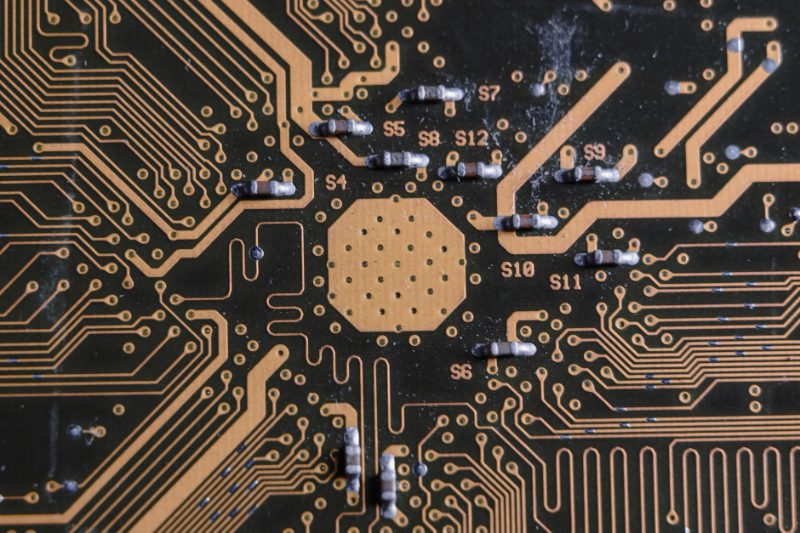
India inaugurated its first major semiconductor packaging plant on July 4, 2026, when Prime Minister Narendra Modi unveiled the CG Semi OSAT (Outsourced Semiconductor Assembly and Test) facility in Sanand, Gujarat. The India semiconductor facility 2026 milestone represents a ₹7,600 crore investment and marks a defining moment in India’s ambition to reduce dependence on foreign chips and build a self-reliant electronics ecosystem.
The Sanand facility is a joint venture between CG Power and Industrial Solutions, Japan’s Renesas Electronics America, and Thailand’s Stars Microelectronics. It targets a peak annual capacity of 4.7 billion units over the next five years, with a second facility (G2) expected to come online by end of 2026, further expanding India’s chip output.
What Is the CG Semi OSAT Facility and Why Does It Matter for India?
The CG Semi OSAT facility handles chip packaging — the process of encasing semiconductors in protective housing before they reach devices. While India has lagged behind Taiwan, South Korea, and China in semiconductor manufacturing, this India semiconductor facility 2026 launch signals a serious shift. The plant will serve automotive, industrial, consumer electronics, 5G, IoT, and power sectors. Under India’s Semiconductor Mission, the government has committed over $10 billion to attract chip manufacturers and assembly plants, with CG Semi joining Micron Technology and Kaynes Semicon in the Sanand cluster.
What Does India’s Semiconductor Ambition Mean for Tech Businesses?
India’s chip manufacturing push creates upstream and downstream opportunities for domestic tech companies. Electronics manufacturers sourcing components locally could see cost reductions of 15–20% once the Sanand cluster reaches full capacity. For startups in IoT, electric vehicles, and consumer electronics, access to domestic chip assembly reduces supply chain risk and delivery timelines that currently run 8–12 weeks for imported components. The broader India Semiconductor Mission targets five operational plants by 2026, making Sanand the centrepiece of a national industrial strategy.
Industry Reaction and Expert Commentary
Prime Minister Modi called the CG Semi facility “the next step in India’s massive electronics revolution,” stating that India’s youth would drive global leadership in AI, robotics, and next-generation technology with Made-in-India chips. The facility received backing under the Production Linked Incentive (PLI) scheme for semiconductors, which has attracted over 15 investment proposals. Industry analysts note that while India is still years behind Taiwan’s TSMC or South Korea’s Samsung Foundry, OSAT plants are the fastest path to domestic semiconductor capability, requiring lower capital than full fabrication plants.
What Happens Next?
CG Semi’s G2 facility in Sanand is expected to be commissioned by December 2026, doubling the site’s output capacity. Micron Technology’s ATMP facility in Sanand, inaugurated earlier in 2026, is already producing memory chips for export. The government targets five semiconductor facilities operational by end of 2026. India’s semiconductor ecosystem is expected to generate 85,000 direct jobs by 2030, with Sanand emerging as the country’s first dedicated chip manufacturing cluster.
Frequently Asked Questions
What is the CG Semi OSAT facility in Gujarat?
The CG Semi OSAT facility in Sanand, Gujarat is India’s first large-scale semiconductor packaging plant. Inaugurated by PM Modi on July 4, 2026, it is a ₹7,600 crore joint venture between CG Power, Japan’s Renesas, and Thailand’s Stars Microelectronics, targeting 4.7 billion chip units annually.
How will India’s semiconductor plant affect the tech industry?
Domestic chip packaging reduces India’s dependence on imports from Taiwan and China, lowering supply chain costs for electronics manufacturers. Companies in IoT, EV, consumer electronics, and telecom sectors stand to benefit the most from faster local sourcing of semiconductor components.
What is India’s Semiconductor Mission?
India’s Semiconductor Mission is a government initiative backed by over $10 billion in incentives to establish domestic semiconductor fabrication and packaging plants. It targets five operational facilities by 2026, with CG Semi, Micron, and Kaynes Semicon among the first movers.














Leave a comment