

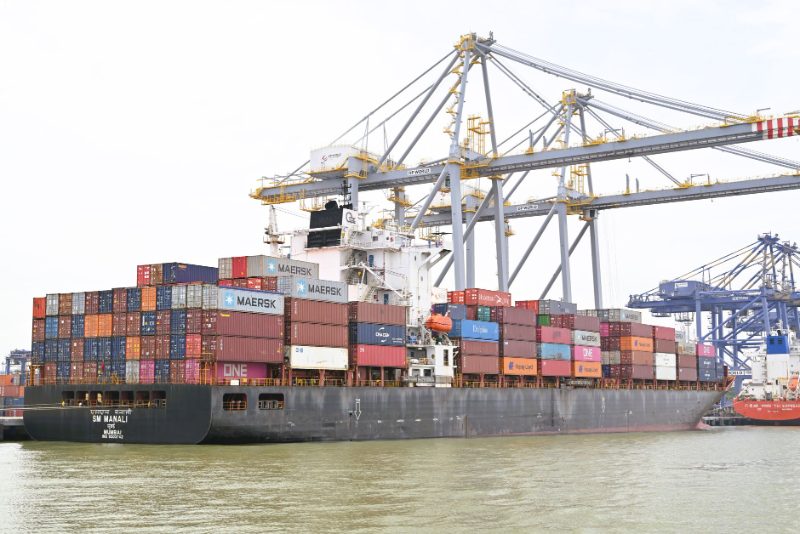
India’s tyre sector is navigating a challenging export environment in FY27 as the ongoing West Asia conflict continues to drive up crude oil and natural rubber prices, squeezing export margins for MRF, CEAT, JK Tyre, and Apollo Tyres. The India tyre industry West Asia 2026 impact is most acutely felt in exports to the Middle East, North Africa, and Southeast Asia — routes that pass through conflict-affected shipping lanes — while domestic demand has held firm, supported by healthy vehicle production and strong replacement demand across passenger and commercial vehicle segments.
The Automotive Tyre Manufacturers’ Association (ATMA) has flagged that tyre export volumes are under pressure from both higher freight costs and weakened purchasing power in key markets affected by the West Asia crisis. Natural rubber prices, closely linked to crude oil derivatives, rose 18–22% between February and May 2026 before partially correcting in June as the conflict dynamics shifted.
How Is the West Asia Crisis Affecting India’s Tyre Exports?
India exports tyres worth approximately ₹8,000–9,000 crore annually, with key markets in the Middle East, Africa, Southeast Asia, and South America. The West Asia conflict has impacted this in three ways. First, shipping route disruptions through the Strait of Hormuz have increased freight costs and transit times, making Indian tyre exports less price-competitive. Second, purchasing power in Middle Eastern markets has been squeezed by higher fuel costs and economic uncertainty, reducing replacement tyre demand. Third, crude oil price spikes translated into higher costs for synthetic rubber (SBR, BR) and carbon black — both critical tyre inputs — compressing margins even as tyre companies tried to hold export price lists. Apollo Tyres, with the highest export exposure among Indian tyre makers (particularly through its European Vredestein brand), has been most exposed, though its Q4 FY26 EBITDA jumped 27.6% YoY on strong domestic performance.
Is Domestic Demand Cushioning the Export Pressure?
Yes — domestic replacement and OEM demand has been a significant cushion. India’s passenger vehicle production continues to exceed 4 million units annually, and commercial vehicle sales — a key driver of truck and bus tyre demand — remained healthy through the first quarter of FY27. IIFL Securities, in its sector analysis, identified MRF and CEAT as best-positioned to withstand export headwinds given their dominant domestic market shares of approximately 25% and 15% respectively. MRF, which generates the bulk of its revenue domestically, is expected to see less earnings impact from export slowdown than Apollo, which has approximately 35–40% of revenue from international operations.
Market Reaction and Industry Response
Tyre stocks rallied up to 6% on the BSE following strong automobile sales data, even as the West Asia export headwind was widely acknowledged by managements in their Q4 FY26 earnings calls. JK Tyre and Apollo Tyres both cited the conflict as a near-term risk to export realisation in their guidance. ATMA is reportedly in dialogue with the Ministry of Commerce for targeted export promotion support, including logistics subsidies and market development assistance for tyre exporters targeting African markets — seen as a long-term diversification from Middle East dependence.
What Happens Next?
Analysts expect export pressure to persist through Q2 FY27 (July–September 2026), with gradual recovery in H2 FY27 as geopolitical conditions stabilise and freight rates normalise. Natural rubber prices are expected to moderate as Thai and Indonesian supply recovers seasonally. Domestic tyre demand remains the primary earnings driver for the sector in FY27. MRF’s Q1 FY27 results, expected in late July 2026, will be closely watched for margin guidance given the input cost environment. The government’s PLI scheme for advanced chemistry cell batteries and EV components is being monitored by tyre makers for adjacent opportunities in speciality rubber compounds for electric vehicle tyres.
Frequently Asked Questions
How has the West Asia conflict affected India’s tyre export earnings?
The West Asia conflict has raised freight costs, disrupted shipping routes, and weakened demand in key Middle East and North Africa export markets, putting pressure on India’s ₹8,000–9,000 crore annual tyre export earnings. Natural rubber prices also rose 18–22% at peak, compressing margins.
Which Indian tyre companies are most affected by the West Asia crisis?
Apollo Tyres, with the highest export exposure (35–40% of revenue from international operations), faces the greatest headwind. MRF and CEAT, with more domestically concentrated revenue, are expected to be relatively more insulated from the export slowdown.
Is India’s domestic tyre demand holding up despite global headwinds?
Yes. India’s domestic replacement and OEM tyre demand has remained healthy in FY27, supported by strong vehicle production, robust commercial vehicle sales, and healthy consumer spending on vehicle maintenance, providing an effective cushion against export revenue pressure.









Leave a comment