

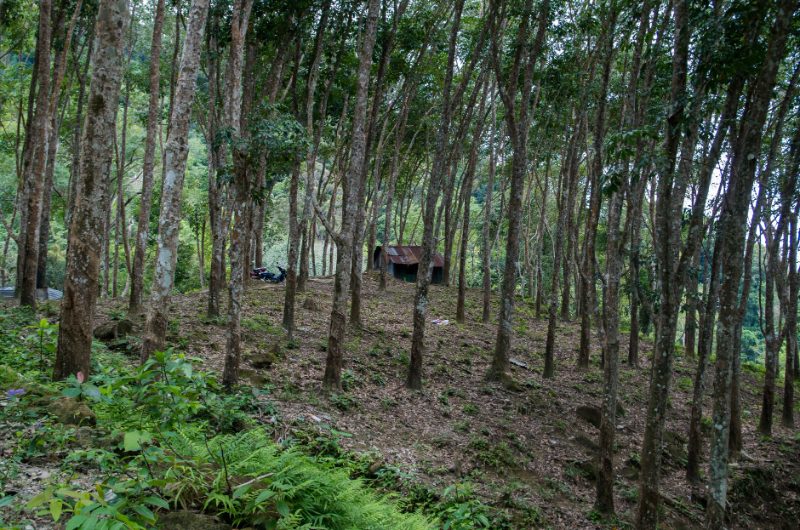
Global natural rubber prices fell to 217.20 USD cents per kg on July 10, 2026 — down 0.46% from the previous session — as heavy monsoon rains disrupted harvesting operations across Southeast Asia, the world’s leading rubber-producing region. Despite the daily dip, natural rubber prices in July 2026 remain 30.61% higher than a year ago, reflecting tight global supply conditions that continue to support long-term price floors for Indian rubber growers and tyre manufacturers alike.
The price movement comes amid active mid-season harvesting across Thailand, Indonesia, and Malaysia, but persistent monsoon interference has reduced daily tapping output and elevated supply uncertainty. India, the world’s third-largest producer of natural rubber (accounting for approximately 3% of global output), is also navigating its own monsoon season — with Kerala, which produces over 90% of India’s natural rubber, currently under active rainfall that affects latex collection schedules.
Why Did Natural Rubber Prices Drop in July 2026 Despite High Annual Gains?
The July 10 dip to 217.20 USD cents/kg reflects short-term profit-taking and a temporary easing of supply concerns as mid-season harvesting picks up in Southeast Asia. However, the broader 12-month picture tells a different story: prices are still up 30.61% year-on-year, driven by structural supply constraints including aging plantation trees across Thailand and Indonesia, reduced replanting rates, and export disruptions. Liberia’s ban on raw natural rubber exports — announced earlier in 2026 — fuelled additional concerns about near-term supply tightening from African sources, adding to the bullish fundamentals. These factors have kept global rubber inventory levels low, preventing a sustained price correction despite the current seasonal pressure.
How Is the Monsoon Affecting India’s Rubber Output in 2026?
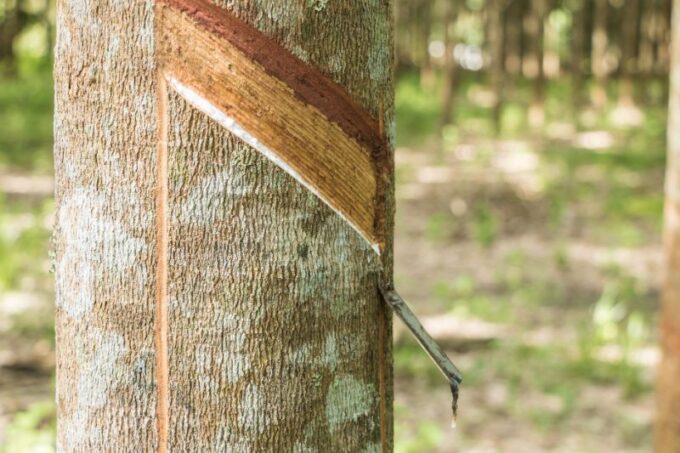
Kerala’s rubber belt, centred around Kottayam, Ernakulam, and Idukki districts, is in the heart of the southwest monsoon season, which typically runs from June to September. Heavy rainfall prevents tappers from working on the trees — latex cannot be collected during rain, and cuts made before rain can result in bark damage. The Rubber Board of India tracks production closely during this period, and 2026 output is being monitored against the backdrop of both monsoon intensity and grower decisions on tapping frequency given current price levels. India’s domestic natural rubber price for RSS4 grade was reported at Rs 25,350 per 100 kg in May 2026, with prices in key trading centres like Kottayam and Kochi ranging between Rs 18,800 and Rs 24,000 per quintal depending on grade and market conditions.
Market Reaction and Industry Response
India’s tyre industry — which consumes the largest share of domestic natural rubber — has been navigating elevated input costs since 2025. Companies like MRF, Apollo Tyres, CEAT, and JK Tyre have absorbed some of the cost increases through pricing adjustments and operational efficiencies. With prices still 30% above year-ago levels, there is ongoing pressure on tyre manufacturer margins, though stronger vehicle sales volumes in the automobile sector have partially offset the impact. The Rubber Board’s iSNR (Indian Sustainable Natural Rubber) certification initiative and the INR Konnect Platform — aimed at connecting growers with untapped plantation holders — are long-term supply-side measures that could gradually expand domestic production capacity.
What Happens Next?
The key near-term driver for natural rubber prices will be the pace at which Southeast Asian output recovers as monsoon intensity peaks and then recedes through September 2026. If Liberia’s export ban is extended or other African producers face disruptions, the global supply-demand balance could tighten further, supporting prices above 220 USD cents/kg. For India, the post-monsoon period (October–December 2026) typically sees a recovery in domestic tapping and output, which could ease local prices if demand from the tyre and automotive sectors remains steady.
Frequently Asked Questions
What is the current natural rubber price in July 2026?
Global natural rubber prices fell to 217.20 USD cents per kg on July 10, 2026, down 0.46% from the previous day but still 30.61% higher than a year ago. In India, RSS4 grade prices were approximately Rs 25,350 per 100 kg as of May 2026, with market prices varying by grade and location.
Why are natural rubber prices still high despite the daily drop in July 2026?
Natural rubber prices remain elevated year-on-year because of structural supply constraints: aging plantation trees in Thailand and Indonesia, reduced replanting activity, Liberia’s raw rubber export ban, and low global inventory levels. The daily dip on July 10 reflects short-term profit-taking, not a change in the underlying supply-demand balance.
Which state produces the most natural rubber in India?
Kerala produces over 90% of India’s natural rubber, with Tripura contributing approximately 9%. Key trading and production districts in Kerala include Kottayam, Ernakulam, and Idukki, where the Rubber Board of India maintains price reporting and grower support programmes.








Leave a comment