

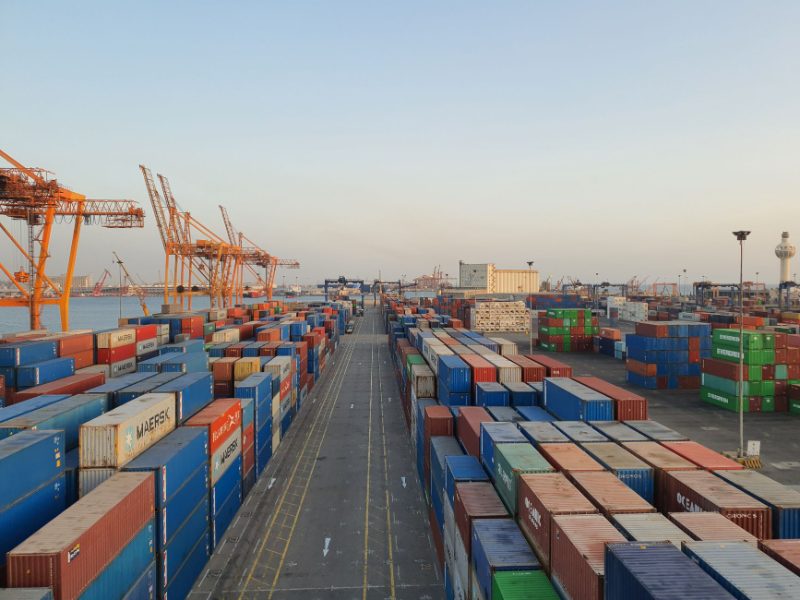
India and the United States failed to finalise a comprehensive bilateral trade agreement by the August 1, 2026 deadline, leaving the existing 18% reciprocal tariff on Indian exports to the US in place for now. A team of US trade officials is expected to travel to New Delhi from August 25 to resume negotiations, according to people familiar with the discussions.
The two sides had earlier reached an interim framework in February 2026, under which the US lowered its reciprocal tariff on Indian goods from 50% to 18%, and India committed to purchasing US energy products, aircraft, precious metals and technology goods worth an estimated $500 billion over five years. Commerce and Industry Minister Piyush Goyal has repeatedly said India will not compromise on the interests of its farmers and MSMEs while negotiating the fuller agreement.
How Will the Delayed India-US Trade Deal Affect Exporters?
With the August 1 deadline passing without a comprehensive pact, Indian exporters of engineering goods, textiles, gems and jewellery, and pharmaceuticals continue to operate under the interim 18% tariff regime rather than the deeper concessions a full agreement was expected to bring. Sectors such as leather, apparel and agricultural exports, including spices, tea, cashew and mango, had been promised zero-duty access to the US market under the interim deal, and industry bodies are now watching closely to see whether these commitments survive the extended negotiation timeline. Exporters say the uncertainty makes it difficult to plan shipment schedules and pricing for US-bound orders through the December quarter.
What Do Trade Experts and Industry Bodies Say?
Trade analysts note that the gap between the two sides centres on agriculture market access, dairy, and India’s continued purchase of discounted Russian crude oil, issues that have proven harder to resolve than tariff lines on manufactured goods. FIEO and other exporter associations have urged the government to secure a firm timeline in the next round of talks, warning that prolonged uncertainty could divert US buyers to competing suppliers in Vietnam and Bangladesh. Commerce Secretary Rajesh Agrawal has said India remains fully engaged and expects the next round of talks in late August to narrow remaining differences.
Market and Trade Reaction
The rupee traded largely range-bound following the deadline miss, as markets had already priced in the likelihood that a full deal would slip past August 1. Export-oriented stocks in textiles and gems and jewellery saw mild profit booking, while IT and pharma stocks, less exposed to reciprocal tariff lines, were largely unaffected. Trade data shows India’s merchandise exports to the US have continued to grow even under the interim 18% tariff, though exporters say a comprehensive deal remains necessary to compete on a level footing with countries that have secured deeper US trade concessions.
What Happens Next?
US trade officials are scheduled to visit New Delhi from August 25 for the next round of talks, with both sides aiming to close the agreement before the end of the year. Until then, the interim 18% reciprocal tariff, along with sector-specific carve-outs already agreed in February, will continue to govern India-US trade.
Frequently Asked Questions
Did India and the US sign a trade deal by August 1, 2026?
No. The comprehensive bilateral trade agreement was not finalised by the August 1, 2026 deadline; the existing interim 18% reciprocal tariff remains in effect.
What tariff do Indian exports currently face in the US?
Under the February 2026 interim framework, Indian goods face an 18% reciprocal tariff, down from the earlier 50% rate.
When will India-US trade talks resume?
US trade officials are expected to visit New Delhi from August 25, 2026 to continue negotiations on the comprehensive agreement.













Leave a comment