

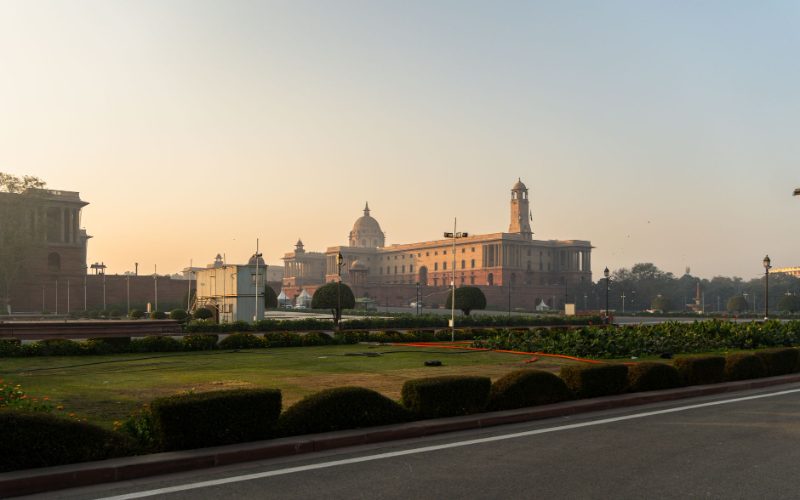
India will host the BRICS summit in New Delhi on September 12-13, 2026, under its rotating chairmanship, at what analysts are calling a decisive juncture for the bloc’s role in global geopolitics. The summit arrives as BRICS positions itself as a pivotal counterweight to efforts to reinforce a unipolar global order, with member states including India, China, Russia, Brazil and South Africa navigating an increasingly transactional global trade environment.
The New Delhi summit follows a period of intensified US tariff and trade pressure on sovereign nations, including India, China, Russia and Iran, under the current US administration. Officials and analysts describe the gathering as an opportunity to translate the bloc’s rhetoric of multipolarity into concrete institutional outcomes rather than symbolic statements.
What Is on the Agenda for the September 2026 BRICS Summit?
The New Delhi summit is expected to focus on joint statements addressing unilateral trade barriers, concrete financial cooperation initiatives, and discussions on expanded BRICS membership and partnerships. With India in the chair, the agenda is likely to reflect New Delhi’s interest in balancing its BRICS commitments with its own bilateral trade relationships, including its recently secured 18% tariff arrangement with the United States, avoiding positioning the bloc as directly adversarial to Washington.
What Do Geopolitical Analysts Say About India’s Role?
Foreign policy analysts describe India’s hosting of the summit as reflecting its growing role as a major geopolitical player navigating complex dynamics between emerging markets and traditional powers. Commentary ahead of the summit frames India’s challenge as needing to “shape events, not just react” to global political shifts in 2026, balancing its Quad and Western partnerships against its long-standing BRICS and Russia ties.
Market and Trade Reaction
Trade watchers note that any BRICS financial cooperation initiatives announced at the summit, including discussions around local-currency trade settlement or expanded New Development Bank lending, could have longer-term implications for how member states structure cross-border trade and reduce dependence on dollar-denominated transactions. However, concrete near-term market impact is expected to be limited, with most outcomes likely to be framed as directional commitments rather than immediate policy changes.
What Happens Next?
In the lead-up to the September 12-13 summit, India is expected to continue preparatory diplomatic engagement with BRICS partners, including China, ahead of President Xi Jinping’s anticipated visit to India later in the year. The summit’s actual outcomes, particularly on trade and financial cooperation, will be closely watched as a signal of whether BRICS can move from rhetorical multipolarity to institutional substance under India’s chairmanship.
Frequently Asked Questions
When and where is the 2026 BRICS summit taking place?
The BRICS summit will be held in New Delhi on September 12-13, 2026, under India’s rotating chairmanship of the bloc.
Why is the 2026 BRICS summit considered significant?
It comes amid intensified US tariff pressure on BRICS members and is seen as a test of whether the bloc can convert its multipolar rhetoric into concrete institutional and financial cooperation outcomes.
How does India balance BRICS membership with its US trade relationship?
India is expected to use its chairmanship to pursue BRICS cooperation while avoiding direct confrontation with Washington, given its recently secured 18% US tariff arrangement and broader Western partnerships.









Leave a comment