

Iran began a multi-day state funeral on Saturday for its late Supreme Leader, months after he was killed in an airstrike at the outset of the recent conflict with Israel. The flag-draped casket was put on public display in Tehran, with authorities expecting millions of mourners to participate over the coming days in one of the most significant political transitions the Islamic Republic has faced in decades.
A Delicate Political Transition
The funeral proceedings, marked by large public displays of mourning and calls for retribution from crowds gathered in the capital, come at a moment of significant internal and external uncertainty for Iran. The succession process for the country’s most powerful clerical and political office is being closely watched by regional governments and global markets alike, given the office’s control over foreign policy, the armed forces and, indirectly, over Iran’s substantial oil exports.
Analysts tracking Iranian political dynamics note that the transition is unfolding against the backdrop of a fragile, unresolved conflict with Israel and continuing negotiations involving the United States, adding layers of complexity to an already sensitive succession process. How swiftly and smoothly a new leadership consolidates authority will shape not just Iran’s domestic trajectory but its posture toward ongoing regional flashpoints.
Implications for Global Energy Markets
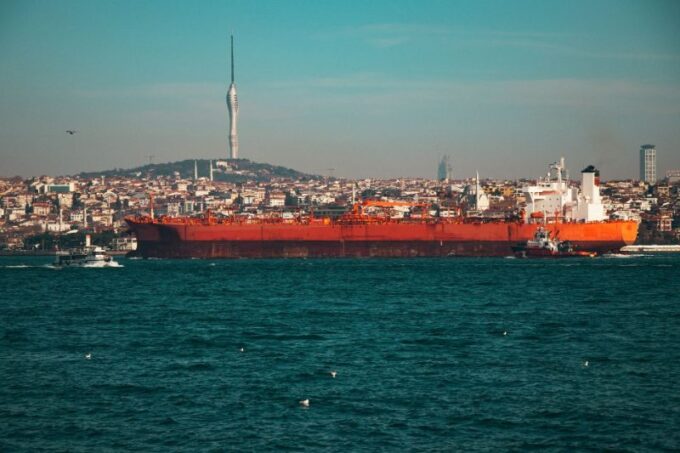
For international markets, the primary concern remains the potential for disruption to oil supplies passing through the Strait of Hormuz, a chokepoint through which a substantial share of the world’s seaborne crude oil transits. Energy traders have historically priced in a geopolitical risk premium during periods of heightened uncertainty in Iran, and the coming weeks of political transition, layered on top of an unresolved military conflict, are likely to keep that premium elevated.
For India, a major importer of crude oil that has in recent years diversified its energy sourcing across Gulf, Russian and American suppliers, sustained volatility in Middle East energy markets carries direct implications for domestic fuel prices and the broader import bill, at a time when the country is also navigating a widening merchandise trade deficit. Indian refiners and policymakers are likely to monitor developments closely, particularly any signs of disruption to shipping lanes or broader regional escalation.
Diplomatic and Market Reaction
World capitals have largely adopted a cautious, watchful posture, avoiding statements that could be seen as interfering in Iran’s internal succession process while urging restraint from all parties involved in the broader regional conflict. Financial markets, for their part, have shown measured rather than acute reactions so far, with crude benchmarks trading with a modest risk premium rather than sharp spikes, suggesting traders are for now treating the succession as an event to monitor rather than an immediate supply-shock trigger.
As the funeral proceedings continue over the coming days, the key variables for global markets and policymakers will be the speed of Iran’s leadership consolidation, any shifts in its posture toward ongoing negotiations, and whether regional tensions show signs of further escalation or gradual de-escalation in the weeks ahead.











Leave a comment