

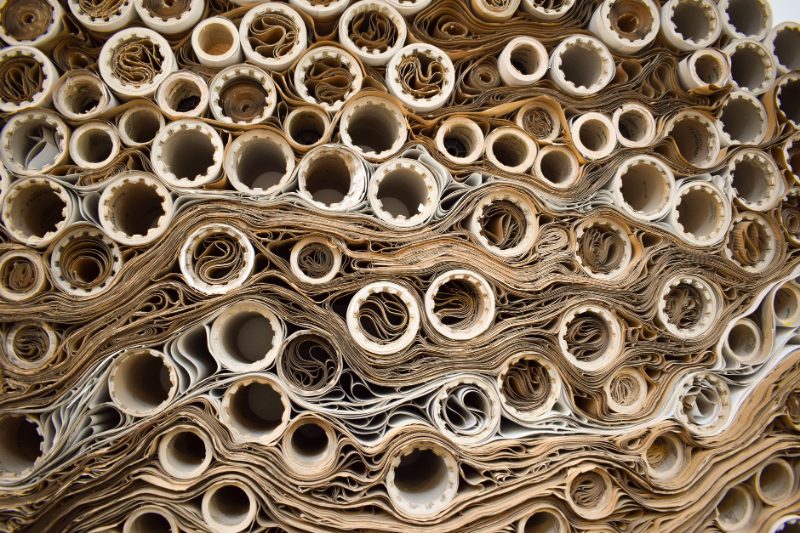
German paper maker Koehler Paper announced on July 2 that it will raise prices for its recycled paper grades by six percent, citing sustained increases in raw material costs, energy prices and production expenses. The move places Koehler among a growing list of European paper producers passing higher input costs directly through to customers this year, a trend that is beginning to ripple through packaging, publishing and specialty paper supply chains globally.
Cost Pressures Finally Catching Up
Recycled paper production is particularly exposed to energy costs, since the pulping and de-inking processes required to convert recovered fibre into usable paper stock are energy-intensive relative to some virgin fibre processes. European producers have spent much of the past two years absorbing volatile energy markets, and Koehler’s price increase suggests that patience for margin compression is wearing thin across the industry. Recovered paper feedstock costs have also been climbing, squeezed by strong competing demand from packaging converters who have increasingly turned to recycled content to meet sustainability commitments and tightening packaging regulations.
The six percent increase is a meaningful jump for an industry where pricing typically moves in smaller increments, reflecting how acute the cost pressure has become. Buyers of recycled paper, ranging from packaging converters to publishers and specialty paper users, will now need to decide whether to absorb the increase, pass it further down their own supply chains, or seek alternative suppliers, though the latter option is complicated by the fact that cost pressures are largely industry-wide rather than specific to Koehler.
A Wider Pattern of Repricing Across the Industry
Koehler’s announcement lands alongside a broader wave of price and structural moves rippling through the global paper sector this year. International Paper, one of the largest producers globally, has said it expects pricing actions to benefit its North American business by roughly $175 million for the year, with the impact building through the second half. Mercer International, meanwhile, announced it will extend a maintenance shutdown at its German pulp mill, Mercer Rosenthal, to cover the entire month of September, a move that will tighten pulp supply in the European market during the shutdown window and could add further upward pressure on prices for pulp-dependent producers.
Taken together, these moves suggest producers across the paper value chain, from pulp mills to recycled paper converters, are using 2026 as a year to reset pricing after an extended period of margin pressure. Whether that repricing sticks will depend heavily on demand conditions in the back half of the year, particularly in packaging paper grades where converter demand has been comparatively resilient even as broader print and publishing paper volumes continue their long-term structural decline.
Implications for Downstream Buyers
For packaging converters and brand owners who have committed to higher recycled content in their packaging to meet sustainability targets, the Koehler increase is a reminder that the environmental benefits of recycled paper can come with a cost premium that fluctuates independently of virgin paper markets. Companies that locked in longer-term supply agreements before this price cycle will be better insulated, while those buying on shorter cycles or spot markets are likely to feel the increase more immediately in their input costs.
The broader question for the paper industry is whether this round of increases represents a durable repricing or a temporary response to an unusually sharp run-up in energy and raw material costs. Given the scale of capacity adjustments already underway elsewhere in the sector, from mill shutdowns to maintenance extensions, producers appear to be betting that tighter supply conditions will support higher prices well into the second half of 2026.











Leave a comment