

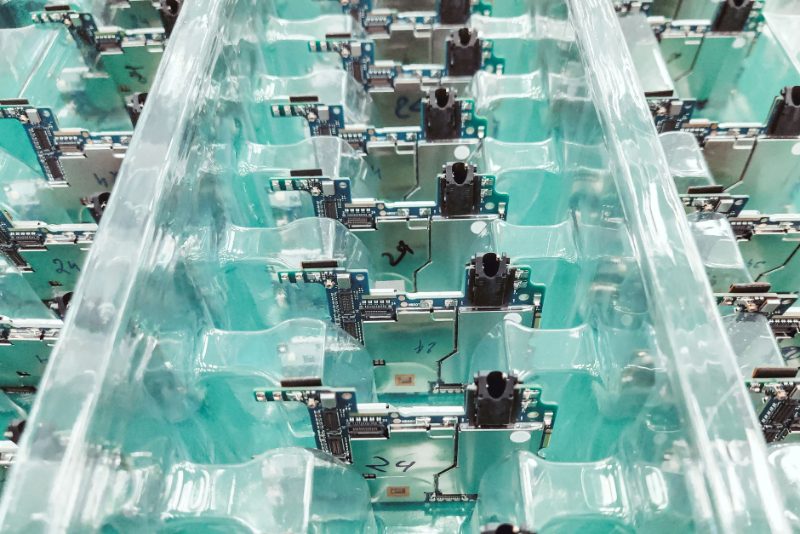
Prime Minister Narendra Modi inaugurated CG Semi’s OSAT (Outsourced Semiconductor Assembly and Test) facility in Sanand, Gujarat on July 4, 2026, marking a pivotal moment in India’s semiconductor mission as the country moves from chip packaging policy to actual production at scale.
The facility represents a ₹7,600 crore (approximately $870 million) investment by a joint venture between CG Power and Industrial Solutions, Japan’s Renesas Electronics America, and Thailand’s Stars Microelectronics. At peak capacity, the Sanand plant will produce 4.7 billion semiconductor units annually, serving the automotive, industrial, 5G, IoT and power sectors.
What Is the CG Semi OSAT Facility and Why Does It Matter for India?
OSAT — Outsourced Semiconductor Assembly and Test — covers the packaging, assembly and testing stages of chip manufacturing, which are critical but distinct from the actual fabrication of silicon wafers. The Sanand facility is among India’s first major commercial-scale OSAT operations, filling a long-standing gap in the domestic semiconductor supply chain. India’s India Semiconductor Mission aims to attract both fab and post-fab operations, reducing the country’s near-total dependence on imported chips from Taiwan, South Korea and China. The Sanand plant’s 4.7 billion unit annual capacity at full ramp represents a meaningful first step in that strategic direction.
How Does the CG Semi Plant Fit Into India’s Broader Semiconductor Strategy?
The CG Semi facility is part of a coordinated national push under the India Semiconductor Mission, which has committed ₹76,000 crore ($9 billion) to support chip manufacturing investment. Union Minister Ashwini Vaishnaw had previously indicated that India’s third semiconductor plant would begin commercial production by July 2026 — and the Sanand inauguration fulfils that commitment. Other plants under the mission include the Tata Electronics fab in Dholera and the Micron Technologies ATMP facility, also in Gujarat, making the state India’s de facto semiconductor manufacturing hub.
Industry Reaction and Expert Commentary
Industry analysts have called the Sanand inauguration a “milestone transition from semiconductor consumer to producer.” Technology publications noted that while India is still years away from leading-edge chip fabrication, OSAT capabilities create immediate economic value by localising assembly jobs, building engineering talent pipelines, and strengthening India’s position in global chip supply chains. CG Power’s partnership with Renesas and Stars Microelectronics brings both technical credibility and access to global automotive and industrial customers to the new facility.
What Happens Next?
The Sanand plant will ramp toward full 4.7 billion unit annual capacity over the next 12-18 months. CG Semi has signalled plans to supply domestic customers in EV, telecom and consumer electronics sectors before expanding to export markets. India’s semiconductor mission is expected to announce additional approved projects in late 2026, with at least two more OSAT facilities and the first compound semiconductor fab in the pipeline. The India Semiconductor Mission remains the world’s watching point for whether a large democracy can successfully attract chip manufacturing at scale.
Frequently Asked Questions
What is the CG Semi OSAT facility inaugurated by PM Modi in Gujarat?
The CG Semi OSAT facility is a ₹7,600 crore semiconductor assembly and testing plant in Sanand, Gujarat, inaugurated by PM Modi on July 4, 2026. It is a joint venture between CG Power, Japan’s Renesas Electronics America, and Thailand’s Stars Microelectronics, targeting 4.7 billion chip units annually at peak capacity.
What does OSAT mean in semiconductor manufacturing?
OSAT stands for Outsourced Semiconductor Assembly and Test. It covers the packaging, assembly and testing stages that follow chip fabrication — a critical segment of the semiconductor supply chain that India is now building domestic capacity for as part of its broader chip sovereignty strategy.
How is India’s semiconductor mission progressing in 2026?
India’s semiconductor mission has committed ₹76,000 crore to chip manufacturing support. Key 2026 milestones include the CG Semi OSAT plant inauguration in Sanand (July 4), the Tata Electronics fab in Dholera progressing toward commercial production, and the Micron ATMP facility in Gujarat ramping up output — making Gujarat India’s semiconductor manufacturing hub.













Leave a comment