

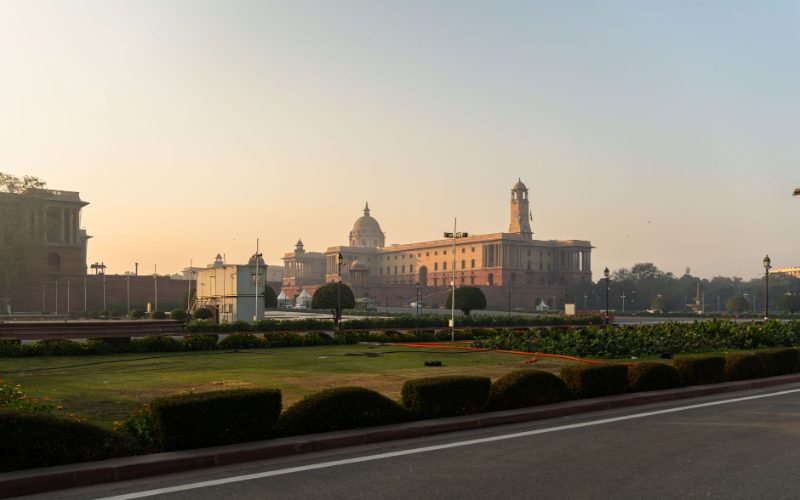
The Union Cabinet has approved the Rabi MSP 2027-28 for six crops, raising wheat to ₹2,610 per quintal, as part of a decisions package worth about ₹2.79 lakh crore cleared on September 30, 2026. The package also includes ₹1,86,405 crore for the PM DHARA renewable energy programme and ₹1,790 crore for an Intelligent Traffic Management System in Delhi.
Union Minister Ashwini Vaishnaw announced the decisions. The Rabi price policy for the 2027-28 marketing season carries an estimated outlay of ₹90,962 crore and applies to the rabi sowing cycle that begins this autumn.
What Are the New Rabi MSP 2027-28 Rates for Each Crop?
Wheat, the biggest rabi crop, moves from ₹2,585 to ₹2,610 per quintal, an increase of ₹25. Barley rises ₹136 to ₹2,286 per quintal, and gram rises ₹83 to ₹5,958. The sharpest increases are for oilseeds and pulses: lentil (masoor) goes up ₹390 to ₹7,390, rapeseed-mustard up ₹413 to ₹6,613, and safflower up ₹675 to ₹7,215 per quintal.
The pattern is clear: the wheat increase is under 1 percent, while safflower rises roughly 10 percent and rapeseed-mustard about 6.7 percent. The tilt favours oilseeds and pulses, crops where India depends heavily on imports.
What Is PM DHARA and Why Does It Matter for Industry?
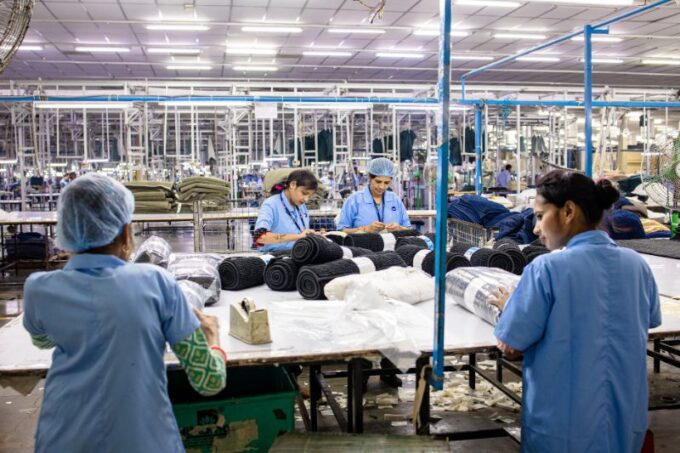
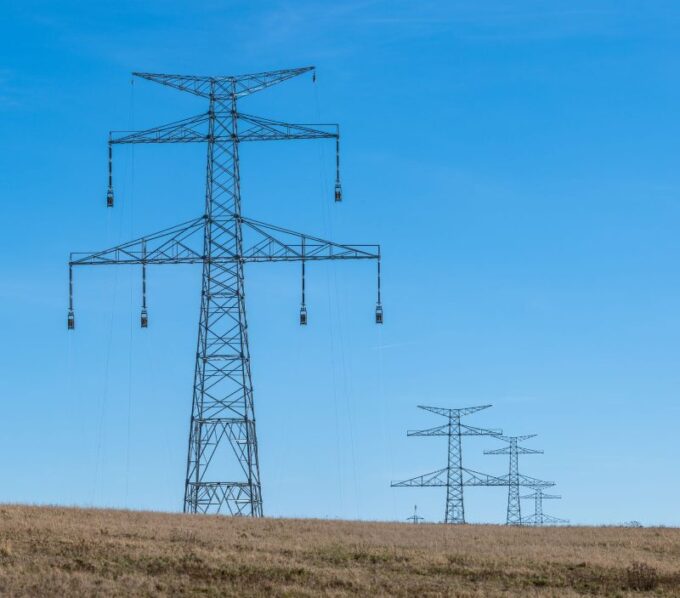
PM DHARA, expanded in the report as Developing Harmonized and Accelerated Renewable Energy Access, receives ₹1,86,405 crore, the largest single item in the package. The programme is aimed at expanding renewable energy access and clean-energy infrastructure. For manufacturers, a stronger transmission and renewable backbone matters because power cost and reliability directly affect competitiveness in energy-intensive sectors such as chemicals, plastics, textiles and metals.
The ₹1,790 crore Delhi traffic system is smaller in scale. It is a technology-based traffic monitoring and management project for the capital.
What Do the Numbers Mean for Farmers and Food Prices?
The ₹90,962 crore estimated payout for the rabi cycle is a fiscal commitment tied to procurement and support prices. Higher MSPs for oilseeds and pulses are designed to encourage a shift in acreage towards crops that India imports, which could ease edible-oil and pulses import dependence over time. A modest wheat increase signals restraint on the cereal side, where government stocks and procurement costs are already large.
Market and Trade Reaction
Support-price decisions typically feed into expectations for rural demand and food inflation. Agri-input, fertiliser and rural-focused consumer companies track MSP announcements closely, while importers of edible oils and pulses watch for any long-run acreage response. Renewable-energy developers and transmission equipment suppliers are likely to follow PM DHARA’s rollout details. Formal sector reactions had not been widely reported at the time of writing.
What Happens Next?
The new MSPs apply to the 2027-28 marketing season, with rabi sowing beginning in the coming weeks. Watch for the Agriculture Ministry’s procurement plans, state-level bonus announcements, implementation guidelines for PM DHARA, and the next round of food inflation data to gauge the impact.
Frequently Asked Questions
What is the new MSP for wheat for 2027-28?
The Cabinet fixed the wheat MSP at ₹2,610 per quintal for the 2027-28 marketing season, up ₹25 from ₹2,585 per quintal in 2026-27.
Which rabi crop gets the biggest MSP hike?
Safflower gets the biggest rupee increase at ₹675 per quintal, taking its MSP to ₹7,215. Rapeseed-mustard follows with a ₹413 rise to ₹6,613 per quintal.
How much money did the Cabinet approve in total?
The decisions announced on September 30, 2026 add up to about ₹2.79 lakh crore, including ₹1,86,405 crore for PM DHARA, ₹90,962 crore estimated for the rabi price policy and ₹1,790 crore for Delhi’s traffic management system.









Leave a comment