


Reliance Industries raised domestic prices across its polypropylene (PP), polyethylene (PE) and polyvinyl chloride (PVC) portfolio effective August 1, 2026, in one of the sharpest polymer price revisions of the year. PP prices climbed ₹5,000 per tonne domestically and ₹10,000 per tonne for deemed exports, while PVC rose ₹2,000 per tonne across all grades.
The revision, confirmed through Reliance’s polymer price circulars reviewed by industry trackers, also lifted polyethylene prices: high-density PE rose ₹3,000 per tonne in the injection moulding, raffia and multi-filament segments and ₹1,500 per tonne elsewhere, while linear low-density PE (LLDPE) increased ₹4,000 per tonne. As India’s dominant petrochemicals producer, Reliance’s pricing moves set the benchmark for converters, pipe makers and packaging manufacturers nationwide.
Why Did Reliance Raise Polymer Prices in August 2026?
The hike follows a period of price cuts in July 2026, when Reliance had trimmed PE and PP rates amid soft demand. Industry trackers point to firmer global crude and naphtha costs, alongside tightening regional supply, as the key drivers behind the reversal. PVC’s ₹2,000-per-tonne increase adds fresh cost pressure just as pipe manufacturers enter the pre-monsoon and infrastructure-linked demand cycle.
What Does This Mean for India’s Plastics Industry?
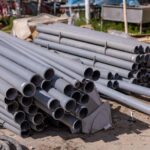
Downstream converters, particularly PVC pipe makers such as Supreme Industries, Astral and Finolex Industries, absorb raw material costs directly into their margins before passing them on to customers with a lag. A sustained rise in PP and PE costs also pressures packaging film producers and injection-moulding units that operate on thin conversion margins. Because Reliance controls the largest share of domestic polymer capacity, its pricing decisions ripple quickly through smaller regional producers and importers.
Market Reaction and Industry Response
Plastics converters and trade associations tracking daily polymer pricing flagged the increase as a reversal of the softer trend seen through mid-2026. Pipe manufacturers, who had flagged polymer price volatility as a swing factor in their Q1 FY27 earnings calls, are expected to watch closely for further revisions heading into the September pricing cycle. Some converters may look to build inventory ahead of anticipated further hikes if crude prices stay firm.
What Happens Next?
Reliance typically reviews its polymer price list at the start of each month, meaning the next revision is due around September 1, 2026. Analysts will watch global naphtha and crude trends, along with monsoon-linked construction demand, for signals on whether the August hike is the start of a sustained uptrend or a one-off correction after July’s price cuts.
Frequently Asked Questions
How much did Reliance raise PP, PE and PVC prices in August 2026?
Effective August 1, 2026, Reliance raised PP prices by ₹5,000 per tonne domestically (₹10,000 per tonne for deemed exports), PVC by ₹2,000 per tonne across all grades, and PE prices by ₹1,500 to ₹4,000 per tonne depending on grade and segment.
Why does Reliance’s polymer pricing matter for the plastics industry?
Reliance Industries is India’s largest domestic polymer producer, so its monthly price list functions as the benchmark for converters, pipe makers and packaging companies across the country, directly affecting their input costs and margins.
Which companies are most affected by the polymer price hike?
PVC pipe manufacturers such as Supreme Industries, Astral and Finolex Industries, along with packaging film and injection-moulding converters that rely on PP and PE as primary raw materials, are the most directly exposed to the price increase.









Leave a comment