

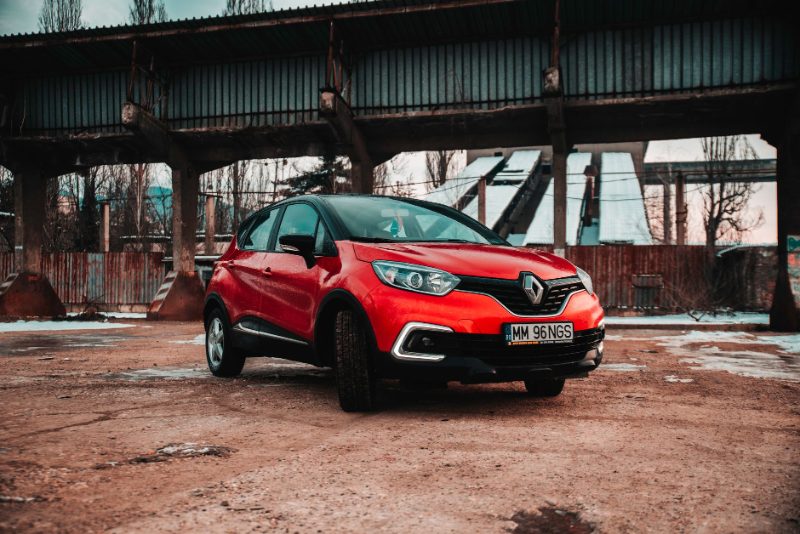
Renault announced pricing for its updated Kwid on July 3, refreshing India’s most affordable model in its lineup as the French carmaker looks to defend a segment that has come under increasing pressure from rivals and shifting consumer preferences. The facelifted Kwid brings revised front and rear bumpers, updated lighting elements and new alloy wheel designs, alongside interior updates including refreshed upholstery and additional convenience features aimed at keeping the model competitive nearly a decade after its original India launch.
Defending the Entry-Level Segment
The Kwid has long served as Renault’s toehold in India’s fiercely price-sensitive entry-level hatchback segment, competing against established nameplates that dominate first-time car buyer demand. That segment has been shrinking industry-wide over recent years as buyers increasingly stretch budgets toward compact SUVs, a shift that has forced entry-level hatchback makers to work harder to justify continued investment in the category. Renault’s decision to refresh rather than discontinue the Kwid signals continued confidence that a meaningful pool of budget-conscious, first-time buyers remains for well-priced, feature-rich small cars, even as the broader market’s centre of gravity shifts upward.
The exterior changes, revised bumpers, new lighting and updated wheels, are aimed at giving the ageing Kwid a more contemporary look without requiring the kind of ground-up redesign that would carry substantially higher investment. That approach mirrors a common strategy among carmakers operating in cost-sensitive segments, where a mid-cycle refresh can extend a model’s competitive life at a fraction of the cost of an all-new platform, provided the underlying mechanicals remain broadly competitive on efficiency, safety and running costs.
Interior Updates Target Feature-Conscious Buyers
Inside, the updated Kwid gets new upholstery and additional features, changes that speak to how much Indian entry-level buyers now expect in terms of cabin comfort and technology, categories where expectations have risen sharply even in the most price-sensitive segments. Features once reserved for higher trims or more expensive models, such as touchscreen infotainment and connected car functionality, have increasingly become baseline expectations even among first-time buyers, forcing manufacturers like Renault to keep pace on feature content even while holding the line on price.
Renault’s broader India strategy has leaned on a combination of the Kwid’s affordability and the Triber and Kiger models targeting slightly higher price points, giving the company a spread across budget-conscious segments even as it has largely stayed out of the SUV categories that now dominate industry volume growth. The Kwid refresh suggests Renault intends to keep that entry-level anchor in place rather than cede the segment entirely to rivals.
A Tough Market Backdrop
The refresh arrives amid a broader wave of new launches and price actions across the Indian passenger vehicle market this month, with rivals adjusting pricing and introducing new models across multiple segments simultaneously. That crowded launch calendar means the Kwid’s updated positioning will be tested quickly against fresh competition, leaving little room for a slow rollout or muted marketing push if Renault wants the refresh to meaningfully move sales volumes.
Whether the facelift is enough to reverse any volume erosion the Kwid may have experienced as buyers trade up to SUVs remains to be seen. For now, Renault’s bet is that a meaningful segment of Indian buyers still prioritise low upfront cost and running economy over segment prestige, and that a timely refresh can keep the Kwid relevant for at least another product cycle in one of the world’s most competitive car markets.










Leave a comment