

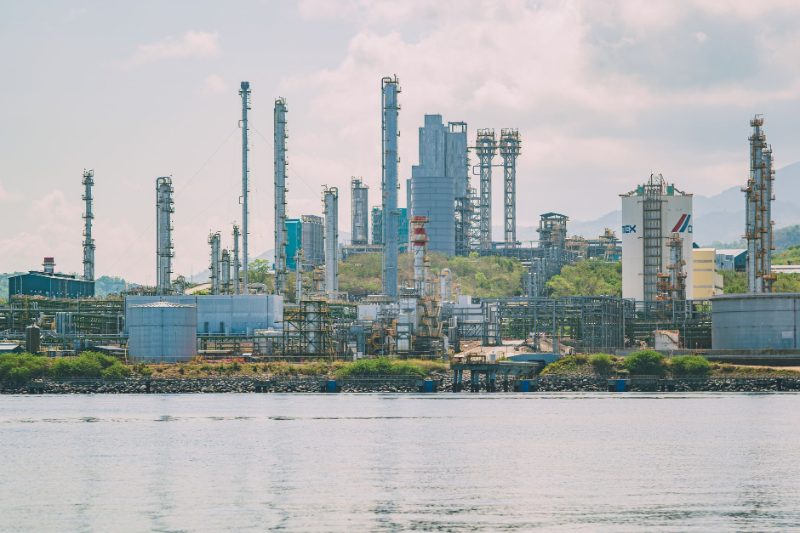
US President Donald Trump is “very seriously” considering a temporary, reportedly 90-day ban on diesel exports as domestic fuel prices hit record levels, with the national average diesel price reaching $6.52 a gallon and California prices touching $8.43 a gallon. The move is being pushed by farm-state Republicans, including Senator Chuck Grassley of Iowa, who argue it would ease record diesel costs for farmers during the crucial autumn harvest season, with midterm elections approaching.
Trump signalled his support for the measure at the UN General Assembly, stating: “I’ve said let’s not send out the diesel. We make a lot of diesel. I’ve called for it.” The proposal has split his administration, with Energy Secretary Chris Wright opposing an outright ban in favour of voluntary restrictions, while Interior Secretary Doug Burgum has separately argued a ban would not meaningfully lower prices.
How Would a Diesel Export Ban Affect Global Fuel Markets?
The United States currently supplies roughly 20% of the world’s diesel exports, meaning any ban would remove a significant share of global supply at a time when refined fuel markets are already tight. Industry analysts warn a domestic diesel glut created by the ban would force US refineries to cut runs, simultaneously reducing output of gasoline and jet fuel that are produced alongside diesel in the refining process — potentially pushing US gasoline prices toward record highs even as diesel prices ease domestically.
What Do Industry Groups and Analysts Say?
Patrick De Haan of GasBuddy warned that “if diesel exports get banned, [gasoline] prices could rise toward record levels,” arguing “the cure would be far worse than the disease.” The American Petroleum Institute has called the potential consequences “catastrophic,” warning of a worsening global refining crisis that would ripple through international agriculture and shipping supply chains that depend on US diesel exports. Major US business groups, including the Chamber of Commerce and the Business Roundtable, have jointly warned Trump against the ban in a letter citing risks to the broader economy.
Market and Trade Reaction
Global oil benchmarks were trading just over $100 a barrel as the diesel export ban proposal gained attention, with traders already pricing in elevated geopolitical risk from the ongoing conflict affecting Strait of Hormuz oil flows. A US diesel export ban would add a fresh supply shock to international fuel markets already strained by the Hormuz disruption, likely pushing up diesel and shipping-fuel costs for importing nations, including major buyers of US refined products in Latin America and Europe.
What Happens Next?
Trump has not yet issued a formal order, and the administration remains divided over whether to proceed. Markets and trade partners will watch for a final decision in the coming weeks, with farm groups pushing for action before the harvest season concludes and energy industry groups continuing to lobby against a ban they warn would destabilise both domestic and global fuel markets ahead of the midterm elections.
Frequently Asked Questions
Why is Trump considering a diesel export ban?
The proposal is aimed at easing record diesel prices for US farmers during the autumn harvest season, amid pressure from farm-state Republicans ahead of the midterm elections.
How much of global diesel supply does the US export?
The United States supplies about 20% of the world’s diesel exports, so a ban would remove a significant share of global refined fuel supply at a time of already tight markets.
What are the risks of banning diesel exports?
Analysts warn a ban could create a domestic diesel glut that forces refineries to cut output of gasoline and jet fuel as well, potentially pushing US gasoline prices toward record highs even as it disrupts global fuel supply chains.












Leave a comment