

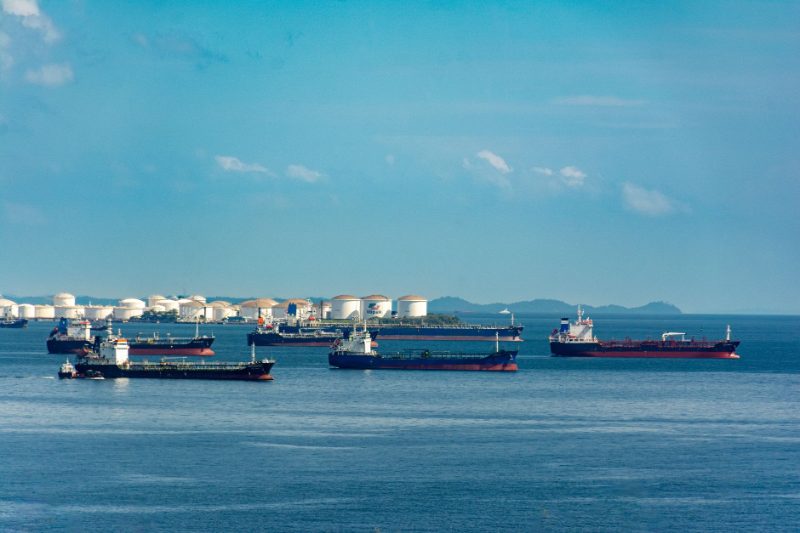
Oil volumes transiting the Strait of Hormuz have roughly doubled in less than a month, with tracking firm Tanker Trackers estimating throughput at around 13 million barrels per day past the US blockade line as of late September 2026, a figure broadly corroborated by independent oil analyst Rory Johnston’s estimate of approximately 13.5 million barrels per day based on a seven-day average. The rebound comes nearly eight months into the conflict affecting the strategic waterway, through which a significant share of the world’s seaborne crude oil trade normally passes.
Despite the recent increase, current volumes remain well below pre-war levels and merely match a brief peak reached in July 2026, when a temporary ceasefire allowed shipping traffic to recover before tensions flared again. The US military has reportedly begun guiding tankers through the strait during daylight hours as part of efforts to keep oil flowing despite the ongoing conflict.
How Is the Conflict Affecting Global Oil Prices and Shipping Costs?
Moving crude oil through the contested strait now carries a substantial premium, with oil analyst Rory Johnston estimating shipping costs at $30 to $40 or more per barrel, excluding the additional cost of US military operations supporting the transits. He cautioned that these elevated freight costs could become economically unviable for shippers if global oil prices decline or if Gulf exporters raise their own pricing demands, potentially triggering fresh disruptions to the fragile flow of oil through the strait.
What Do Oil Market Analysts Say About the Outlook?
Analysts note that despite nearly eight months of conflict and intermittent closure of the strait, crude prices have remained elevated but relatively contained, while refined fuel products such as diesel and jet fuel have faced larger disruptions and price spikes. Global refined product reserves are reported to be declining toward critical thresholds, a trend that has fed directly into US policy debates, including the Trump administration’s consideration of a domestic diesel export ban to manage tight fuel supplies at home.
Market and Trade Reaction
The elevated shipping-cost premium for Hormuz transits is being passed through to global oil and refined-product buyers, adding to input costs for energy-intensive industries and raising freight and insurance costs for tankers willing to make the transit. Asian economies, including India, which rely heavily on Gulf crude imports transiting the strait, are among those most exposed to sustained cost pressure, even as the doubling of throughput volumes offers some relief compared with the depths of the crisis earlier in the year.
What Happens Next?
Markets will continue to monitor daily tanker-tracking data for signs of whether the current rebound in Hormuz throughput can be sustained, given the fragility underlined by analysts who warn current premiums are not economically viable over the long term. Any renewed escalation in the conflict, or a shift in Gulf exporters’ pricing demands, could quickly reverse the recent recovery in oil flows through the strait.
Frequently Asked Questions
How much oil is currently moving through the Strait of Hormuz?
Estimates put current throughput at approximately 13 to 13.5 million barrels per day as of late September 2026, roughly double the volume seen a month earlier, though still below pre-war levels.
Why are shipping costs through the strait so high?
Analysts estimate the premium for moving crude through the contested waterway at $30 to $40 or more per barrel, excluding military escort costs, reflecting the elevated risk of transiting an active conflict zone.
How does the Hormuz disruption affect global fuel markets?
It has kept crude prices elevated and caused larger disruptions to refined products like diesel and jet fuel, contributing to global reserves declining toward critical levels and shaping policy debates such as the US diesel export ban discussion.












Leave a comment