

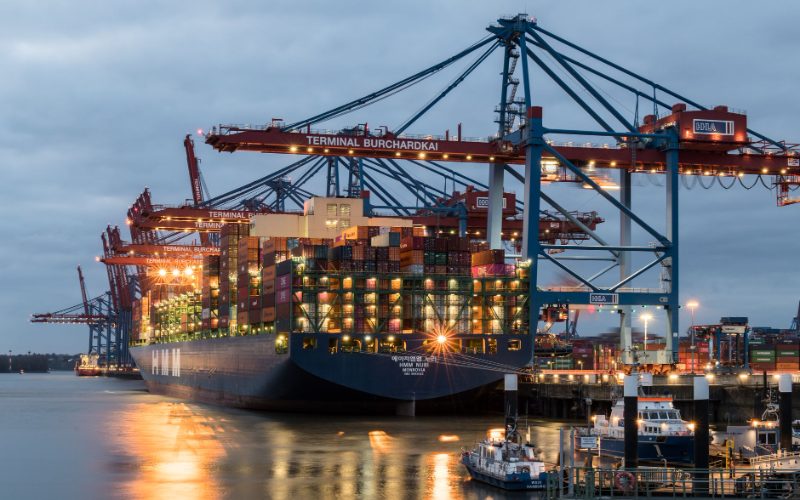
The United States imposed a 25% tariff on a range of Brazilian imports on July 15, 2026, citing unfair trade practices, with the new duties set to take effect on July 22. The action, launched under Section 301 of the Trade Act of 1974, targets goods from the world’s tenth-biggest economy after a US Trade Representative investigation.
US Trade Representative Jamieson Greer said the tariff was necessary to ensure American workers and companies compete on a level playing field. The order exempts several categories not produced domestically or considered supply-chain sensitive, including coffee, beef, oranges, orange juice, some oil and gas products, and aerospace parts and components.
How Will the US Tariff on Brazil Affect Global Trade Flows?
The 25% duty covers a broad swath of Brazilian exports outside the exempted categories, raising costs for US importers of Brazilian steel, machinery, and manufactured goods. Trade analysts expect Brazilian exporters to redirect volumes toward alternative markets, including the EU and Asia, while US buyers absorb higher landed costs or seek substitute suppliers in Latin America and Asia, including India.
What Do Trade Bodies and Economists Say?
Trade policy watchers note the Brazil action fits a broader pattern of Section 301 tariff actions the Trump administration has pursued through July 2026, alongside a review of Section 122 surcharge authority set to expire and ongoing Section 301 proceedings against other trading partners. Economists caution that stacking tariffs across multiple partners raises input costs for US manufacturers that rely on imported components, even as the administration frames the measures as protecting domestic industry.
Market and Trade Reaction
Brazilian real volatility ticked up following the announcement, and commodity traders flagged potential knock-on effects for steel and agri-processing exporters. The tariff adds to an already turbulent July 2026 for global trade policy, with the Strait of Hormuz crisis simultaneously pushing up freight insurance and energy costs worldwide.
What Happens Next?
The 25% tariff takes effect July 22, 2026, giving affected exporters and importers a one-week window to adjust shipments and contracts. Brazilian officials are expected to respond through diplomatic channels or potential retaliatory measures, while businesses on both sides watch for further USTR clarifications on product-level exemptions.
Frequently Asked Questions
When does the US tariff on Brazil take effect?
The 25% tariff takes effect on July 22, 2026, one week after the July 15 announcement.
What products are exempt from the new US-Brazil tariff?
Coffee, beef, oranges, orange juice, some oil and gas energy products, and aerospace parts and components are exempted from the 25% duty.
Under what authority did the US impose this tariff?
The tariff was imposed under Section 301 of the Trade Act of 1974, following a USTR investigation into Brazilian trade practices.









Leave a comment