

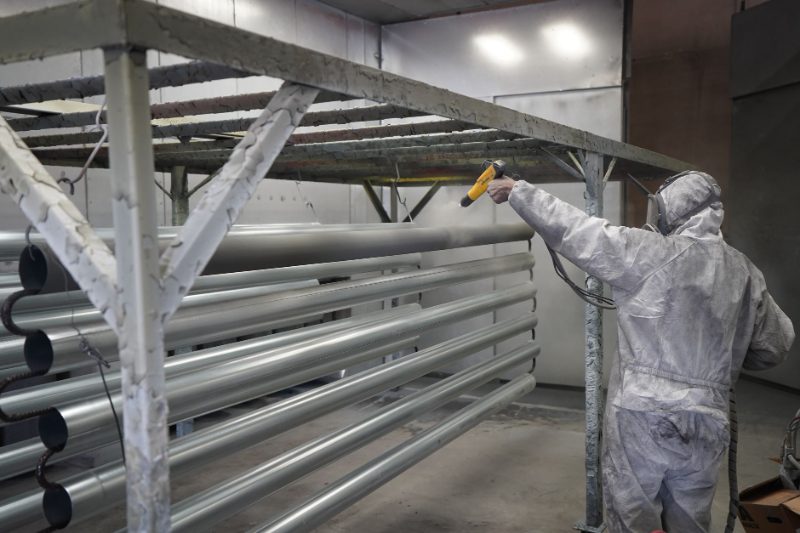
Carbon-based char improves electrical connectivity between zinc particles, reducing zinc usage by 30%.
Incorporating ultrafine bamboo-derived biochar into zinc-rich epoxy primers enhances galvanic corrosion protection while significantly reducing total zinc dust loading required. The mechanism is electrical: biochar’s conductive carbon network increases particle-to-particle electrical contacts between zinc dust grains in the cured film, effectively extending the galvanic protection zone.
Where conventional zinc-rich primers require 70–80% zinc dust by weight to maintain cathodic protection, bamboo char addition allows equivalent performance at 50–60% loading — a 20–30% reduction in zinc consumption. The use of FSC-certified bamboo as feedstock adds a biobased sustainability credential for infrastructure, bridge, and offshore project specifications increasingly incorporating environmental product declarations.
Industry Implications and Market Context
This development reflects the broader trend in the global coatings industry toward advanced functional performance, sustainability, and intelligent material design. Manufacturers are evaluating commercial feasibility, raw material supply chains, and regulatory pathways — particularly for European REACH and US EPA compliance.
What Happens Next?
Commercial adoption depends on scaling, cost parity, and regulatory clearance. Watch for licensing agreements and pilot-scale trials in H2 2026 and 2027.
Frequently Asked Questions
How much does bamboo char reduce zinc content in coatings?
Bamboo char addition allows equivalent galvanic protection at 50–60% zinc loading versus the conventional 70–80% — a reduction of 20–30% in zinc consumption per litre of primer.
Is bamboo char available commercially in India?
India is a major bamboo producer and several domestic suppliers are developing activated carbon and biochar products from bamboo waste. Commercial-grade ultrafine bamboo char for coating applications is an emerging product category.
Where can I find more information?
Technical coverage is available from ECCA, ACA, IPA, and publications including Progress in Organic Coatings and European Coatings Journal.












Leave a comment