

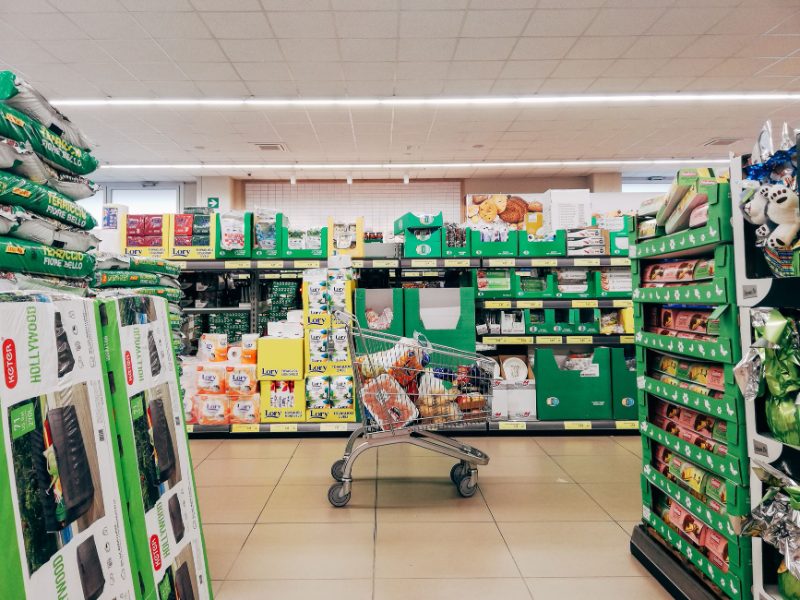
Kroger confirmed on July 1 that it will acquire Giant Eagle, the family-owned Pittsburgh-based grocer that operates roughly 197 supermarkets and generates close to $9 billion in annual sales. The deal, one of the largest grocery consolidations announced this year, gives Kroger a substantial new footprint across Pennsylvania, Ohio, West Virginia, Maryland and Indiana, a region where Giant Eagle has operated as a dominant regional player for decades. Terms of the transaction were not fully disclosed, but industry analysts expect the deal to close within the next two to three quarters pending regulatory review.
A Regional Powerhouse Changes Hands
Giant Eagle has long been a fixture of grocery retail in the American Midwest and Mid-Atlantic, distinguished by its GetGo fuel and convenience store network and its private-label GiantEagle brand penetration. The chain’s founding family has controlled the business since 1931, and its decision to sell reflects a broader pattern playing out across US grocery: independent, family-run chains increasingly find it difficult to match the scale economics, supply chain automation, and pricing power of national players. Kroger, which already operates nearly 2,700 stores nationwide under banners including Ralphs, Fred Meyer, and King Soopers, has pursued a strategy of scale acquisition since its failed merger attempt with Albertsons was blocked by regulators in late 2024.
Strategic Rationale and Supply Chain Implications
For Kroger, the acquisition offers immediate density in a region where it previously had limited direct presence, alongside Giant Eagle’s fuel station network and distribution infrastructure. Food industry watchers note that grocery consolidation has accelerated as chains battle thinning margins, rising labor costs, and competition from warehouse clubs and e-commerce-first grocers. Combining distribution networks typically allows the acquiring company to reduce per-unit logistics costs and negotiate more favorable terms with food processors and packaged goods suppliers, a dynamic that will likely ripple through Kroger’s supplier base over the coming year.
Regulatory Scrutiny Expected
Given the scale of the transaction and the heightened antitrust attention grocery mergers have received since the Kroger-Albertsons case, the Federal Trade Commission is expected to examine the deal closely, particularly in markets where Kroger and Giant Eagle both operate stores. Kroger executives have indicated they are prepared to divest select overlapping locations if required, a concession that helped smooth similar past transactions in the sector. Legal experts suggest the review could extend into 2027 given current FTC caseloads.
Market and Investor Reaction
Kroger shares moved modestly higher following the announcement, with analysts largely viewing the deal as accretive to earnings once integration costs are absorbed. Investors have welcomed Kroger’s pivot toward disciplined, regionally-focused acquisitions after the collapse of its larger Albertsons ambitions, seeing the Giant Eagle deal as a lower-risk path to growth. Competing chains, including Ahold Delhaize and Walmart, are expected to respond with renewed pricing investments in overlapping markets to defend share.
What Comes Next
If completed as expected, the acquisition would rank among the largest grocery deals since the pandemic-era consolidation wave and would further concentrate an industry already dominated by a handful of national operators. For suppliers and food processors serving the Mid-Atlantic and Midwest, the transition period is likely to bring renewed contract negotiations as Kroger aligns Giant Eagle’s procurement with its existing national agreements. Consumers in the affected regions may see gradual private-label changes and loyalty program consolidation over the next 12 to 18 months as the two companies integrate operations.









Leave a comment