

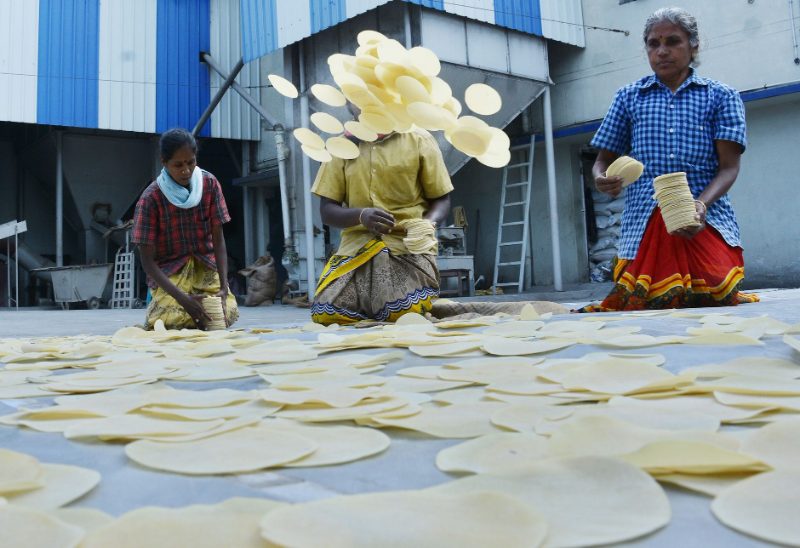
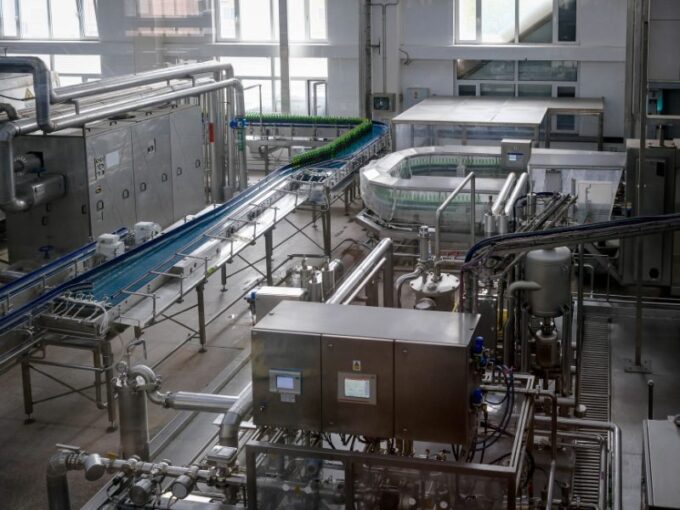
India’s Production Linked Incentive Scheme for the Food Processing Industry (PLISFPI) has created 34 lakh metric tonnes per annum of new processing and preservation capacity as of February 2026, with the government disbursing incentives worth Rs 2,162.55 crore to participating companies so far. More striking is the employment impact: the scheme has generated approximately 3.39 lakh direct and indirect jobs, already surpassing its original target of 2.5 lakh jobs well ahead of the 2026-27 deadline set when the programme launched.
A Six-Year Bet on Domestic Manufacturing
Launched with a total outlay of Rs 10,900 crore spanning FY 2021-22 through FY 2026-27, the PLISFPI was designed to push Indian food companies toward higher-value processing, larger manufacturing footprints, and stronger export orientation. Unlike blanket subsidies, the scheme ties incentive payouts directly to incremental sales and capital investment, rewarding companies that scale production of processed foods, ready-to-eat and ready-to-cook meals, marine products, and value-added dairy and grain-based goods. The structure has attracted both large FMCG players and mid-sized regional processors seeking to expand beyond traditional commodity trading.
Where the Growth Is Concentrated
Much of the new capacity has emerged in ready-to-eat and ready-to-cook categories, an area where companies such as ShimlaRed have expanded aggressively, building on legacy export relationships that span more than 50 countries. The RTE/RTC segment benefits from rising urban demand, changing consumer lifestyles, and growing international appetite for convenient Indian cuisine formats. Cold chain and dairy processing have also seen meaningful capacity additions, supported by parallel government infrastructure schemes aimed at reducing post-harvest losses, which historically have run as high as 15-20 percent for perishable produce in India.
Export Ambitions and Global Positioning
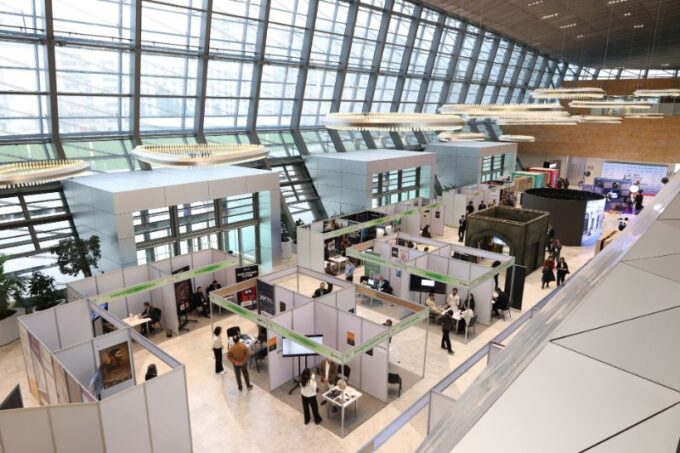
Policymakers have consistently framed the PLI scheme as a mechanism to position India as a global food manufacturing and export hub, not merely a domestic supplier. Industry bodies note that incentivizing scale has helped Indian processors meet the quality certifications and consistent output volumes that export contracts with Gulf, Southeast Asian, and Western retail buyers typically demand. The Food and Drink Processing Expo, held in Coimbatore from July 1-3, showcased this shift, bringing together processing machinery, automation, and cold chain technology providers alongside manufacturers scaling under the PLI umbrella.
Remaining Challenges
Despite the headline job and capacity numbers, industry participants caution that disbursement timelines have occasionally lagged committed investment, creating working capital strain for smaller participants. Raw material price volatility, particularly in edible oils and key grains, continues to squeeze margins even as topline capacity expands. Some processors also point to fragmented cold storage infrastructure outside major metro clusters as a bottleneck limiting how much of the new processing capacity can be fully utilized year-round.
Outlook for the Final Scheme Years
With roughly a year and a half remaining before the scheme’s formal conclusion, government officials have signaled openness to extending certain provisions or introducing a successor programme, given the demonstrated employment and capacity gains. For India’s broader food processing ecosystem, the PLI experience is increasingly being cited as a template for how targeted, output-linked incentives can accelerate industrial scale-up faster than traditional subsidy models, offering a case study that could inform similar schemes in adjacent manufacturing sectors.










Leave a comment